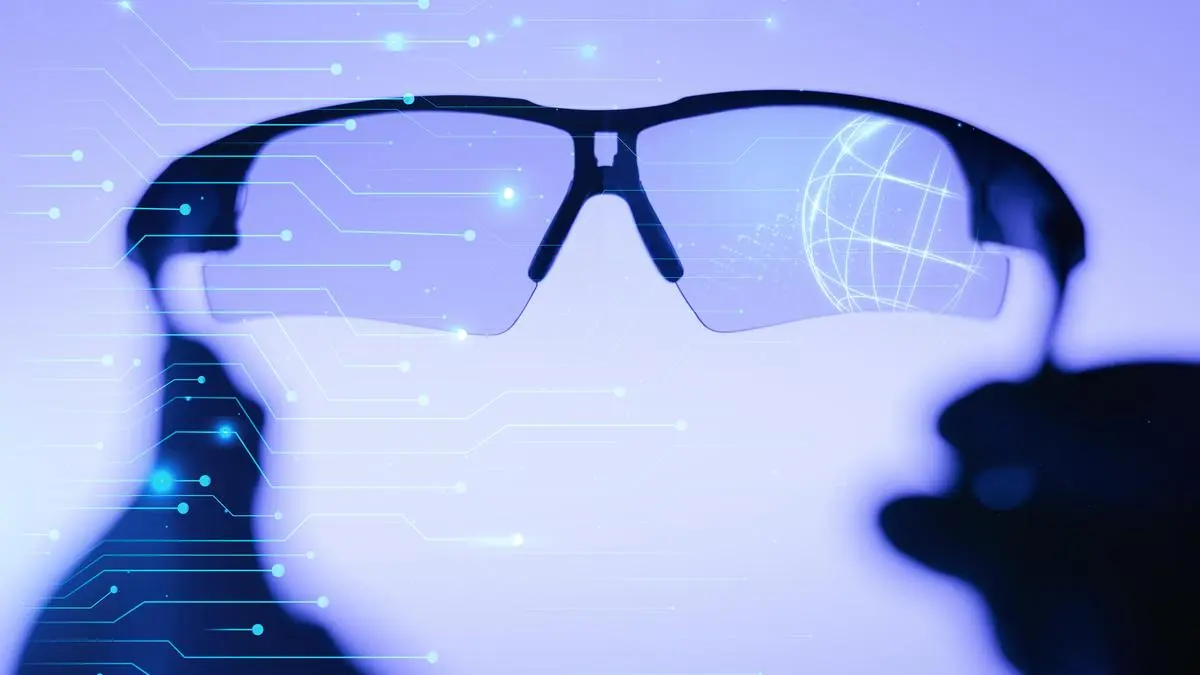
AI smart glasses gain momentum globally, but India’s adoption may take time
# AI Smart Glasses Gain Global Momentum, but India's Adoption Faces Challenges
In recent years, the technology landscape has been transformed by advancements in artificial intelligence (AI). Among the most exciting innovations are AI smart glasses, which offer a blend of augmented reality (AR), connectivity, and hands-free functionality. While these cutting-edge devices are gaining traction worldwide, experts predict that India's adoption of AI smart glasses may be a slow and steady process. Several factors, including high prices and market readiness, are contributing to this gradual uptake.
## The Rise of AI Smart Glasses
AI smart glasses are more than just a technological novelty; they are designed to enhance the way we interact with the world around us. By integrating advanced AI algorithms, these devices can perform a range of functions, from providing real-time translations and navigation assistance to offering notifications and health-monitoring features.
Global tech giants and innovative startups alike are investing heavily in this burgeoning market. Companies such as Google, Microsoft, and Apple have launched their own versions of smart glasses, aiming to capture the attention of consumers looking for next-gen wearables. As a result, the market for these devices is projected to grow significantly, with estimates suggesting that it could reach billions of dollars in the coming years.
## The Global Landscape of AI Smart Glasses
The global demand for AI smart glasses is being fueled by various industries. In sectors such as healthcare, education, and manufacturing, these devices are being employed to streamline processes and improve efficiency. For example, in healthcare, doctors can use smart glasses to access patient data hands-free, allowing them to focus more on patient care. Similarly, in manufacturing, workers equipped with smart glasses can receive real-time instructions and updates, enhancing productivity on the factory floor.
The interest in AI smart glasses is not limited to professional applications; consumers are also becoming increasingly intrigued. The allure of augmented reality gaming, virtual tourism, and social media integration has captivated tech-savvy audiences, further driving market growth. As more features are added, the versatility and appeal of smart glasses continue to expand.
## Challenges Facing AI Smart Glasses in India
While the global market for AI smart glasses is booming, India's adoption of this technology may be hindered by several factors.
High Pricing
One of the most significant barriers to entry for AI smart glasses in India is their cost. Many of the current models are priced well above what the average consumer can afford. With the majority of smart glasses retailing for several hundred to thousands of dollars, they remain a luxury item rather than an accessible technology for the general public. In a country where affordability is a key consideration, this pricing barrier is a major obstacle.
Infrastructure and Connectivity
Another challenge is the existing technological infrastructure in India. For AI smart glasses to function optimally, they require robust internet connectivity and compatible devices. While urban areas may have access to high-speed internet, rural regions still lag behind, making widespread adoption difficult. Additionally, the integration of smart glasses with existing devices, such as smartphones, may not be seamless due to varying levels of technological compatibility.
Cultural Adaptation
Cultural factors also play a role in the slow adoption of AI smart glasses in India. The concept of wearing smart glasses may not resonate with all consumers, particularly in a country where traditional eyewear is prevalent. There may be concerns around privacy, social acceptance, and the practicality of using such devices in day-to-day life.
Regulatory Hurdles
Furthermore, regulatory issues can complicate the introduction of AI smart glasses into the Indian market. Without clear guidelines regarding data privacy, safety standards, and usage regulations, both consumers and manufacturers may hesitate to embrace this new technology.
## The Potential for Future Adoption
Despite the current challenges, there is a silver lining for the future of AI smart glasses in India. As the technology continues to evolve, prices are expected to decrease, making these devices more accessible to a broader audience. Additionally, as awareness increases and more use cases emerge, consumer interest may grow.
Innovation and Local Solutions
Startups in India are already exploring ways to create localized smart glasses tailored to the needs and preferences of Indian consumers. By developing products that address the unique challenges of the Indian market – such as affordability and cultural acceptance – these companies may pave the way for greater adoption.
Government Initiatives
The Indian government has also begun to recognize the importance of technology in driving economic growth. Initiatives aimed at boosting the tech sector, improving internet access, and fostering innovation could create a more conducive environment for the adoption of AI smart glasses in the coming years.
## Conclusion
As AI smart glasses continue to gain momentum globally, India's path to adoption remains fraught with challenges. High prices, infrastructural limitations, cultural factors, and regulatory hurdles are all significant barriers that need to be addressed. However, the potential for growth is undeniable. With ongoing innovation, decreasing costs, and supportive governmental policies, it is likely that India will eventually embrace this revolutionary technology. As consumers become more familiar with AI smart glasses and their benefits, the journey toward widespread adoption may prove to be a gradual yet rewarding process.
In summary, while the current landscape may appear challenging, the future of AI smart glasses in India holds promise. As technology evolves and the market matures, these devices may soon become an integral part of everyday life for millions of Indians, transforming the way they perceive and interact with their world.