
Antarctica’s sea ice collapse finally explained by scientists
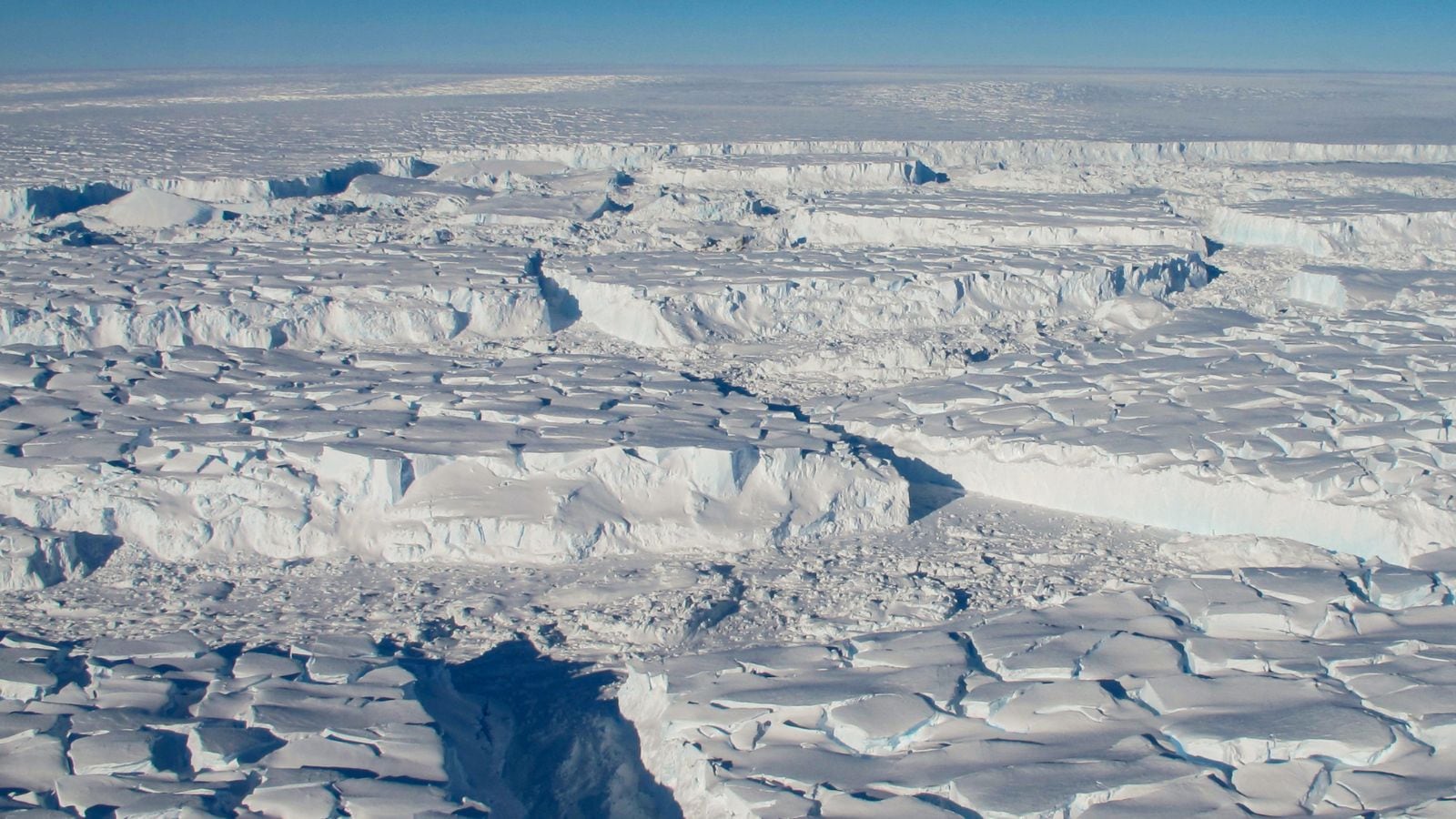
# Antarctica’s Sea Ice Collapse Finally Explained by Scientists
Antarctica, home to some of the most breathtaking landscapes on Earth, is facing an alarming crisis: a dramatic decline in sea ice that has captured the attention of scientists and environmentalists alike. Recent research has shed light on the underlying factors contributing to this phenomenon, revealing a complex interplay of deep ocean warming and powerful western winds. As we delve into the intricate details of this study, we will explore the implications for our planet’s climate and the urgent need for action.
## The Alarming Decline of Antarctic Sea Ice
In recent years, Antarctica's sea ice extent has plummeted to unprecedented levels. Satellite observations reveal that the region has experienced record-breaking declines, raising concerns about the broader impacts on global sea levels and climate patterns. Scientists have long sought to understand the reasons behind this phenomenon, and new research has begun to unveil the factors at play.
## The Role of Deep Ocean Warming
One of the primary contributors to the melting sea ice in Antarctica is deep ocean warming. The Southern Ocean, which surrounds the Antarctic continent, is influenced by a variety of climatic factors that dictate its temperature. As the planet warms due to human-induced climate change, the deeper layers of the ocean are also heating up. This warming is particularly concerning because it can have far-reaching effects on ice sheets and sea ice.
The study highlights that warmer waters from the depths are rising and interacting with the ice shelves that float on the ocean surface. These ice shelves act as barriers, holding back the flow of glaciers into the sea. When warmer water comes into contact with these ice shelves, it erodes them from beneath, accelerating the rate at which glaciers discharge into the ocean. This cascading effect not only contributes to the loss of sea ice but also poses a significant threat to global sea levels.
## The Influence of Powerful Western Winds
In addition to deep ocean warming, scientists have identified the impact of powerful western winds as a crucial factor in the decline of Antarctic sea ice. The Southern Hemisphere is subject to strong westerly winds that can influence ocean currents and weather patterns. In recent years, these winds have intensified due to shifting climatic conditions, further exacerbating the melting of sea ice.
The study found that the stronger westerly winds push warmer ocean water toward the Antarctic coast, disrupting the natural balance of the ecosystem. As a result, the sea ice that typically forms during the winter months is increasingly unable to survive the warmer conditions. This combination of warm ocean currents and intensified winds creates a feedback loop that accelerates the warming process and contributes to the ongoing decline of sea ice.
## Implications for the Global Climate
The implications of Antarctica's sea ice collapse extend far beyond the icy continent. Sea ice plays a critical role in regulating the Earth’s climate by reflecting sunlight back into space, thereby helping to cool the planet. As the ice diminishes, less sunlight is reflected, leading to increased absorption of heat by the ocean. This, in turn, contributes to further warming and can set off a series of cascading effects on weather patterns worldwide.
Additionally, the melting of Antarctic ice contributes to rising sea levels, which pose a significant threat to coastal communities around the globe. As glaciers and ice shelves continue to disintegrate, the potential for catastrophic flooding in low-lying areas increases. The urgency of addressing climate change has never been more apparent, as the consequences of inaction become increasingly dire.
## The Need for Urgent Action
The findings of this research underscore the importance of taking immediate action to mitigate climate change. Reducing greenhouse gas emissions, transitioning to renewable energy sources, and implementing sustainable practices are essential steps that governments, businesses, and individuals must take to combat the escalating crisis.
International cooperation is also crucial in addressing the challenges posed by climate change. Global initiatives such as the Paris Agreement aim to unite countries in their efforts to limit global warming and protect vulnerable ecosystems like Antarctica. However, the commitment of nations to these agreements will determine the future of our planet.
## Conclusion: A Call to Action
As scientists continue to unravel the complexities of Antarctica’s sea ice collapse, the need for urgent action has never been clearer. The links between deep ocean warming and powerful western winds highlight the intricate interplay of factors that contribute to this alarming phenomenon. With the potential for far-reaching consequences for global climate and sea levels, it is imperative that we prioritize measures to combat climate change.
Understanding the science behind these changes is the first step in addressing the crisis. By raising awareness and fostering a sense of collective responsibility, we can work together to protect our planet’s fragile ecosystems and ensure a sustainable future for generations to come. The time to act is now, and every effort counts in the fight against climate change. Let us heed the warnings from Antarctica and commit to making a difference before it’s too late.