
Apple Is Putting Cameras In AirPods?
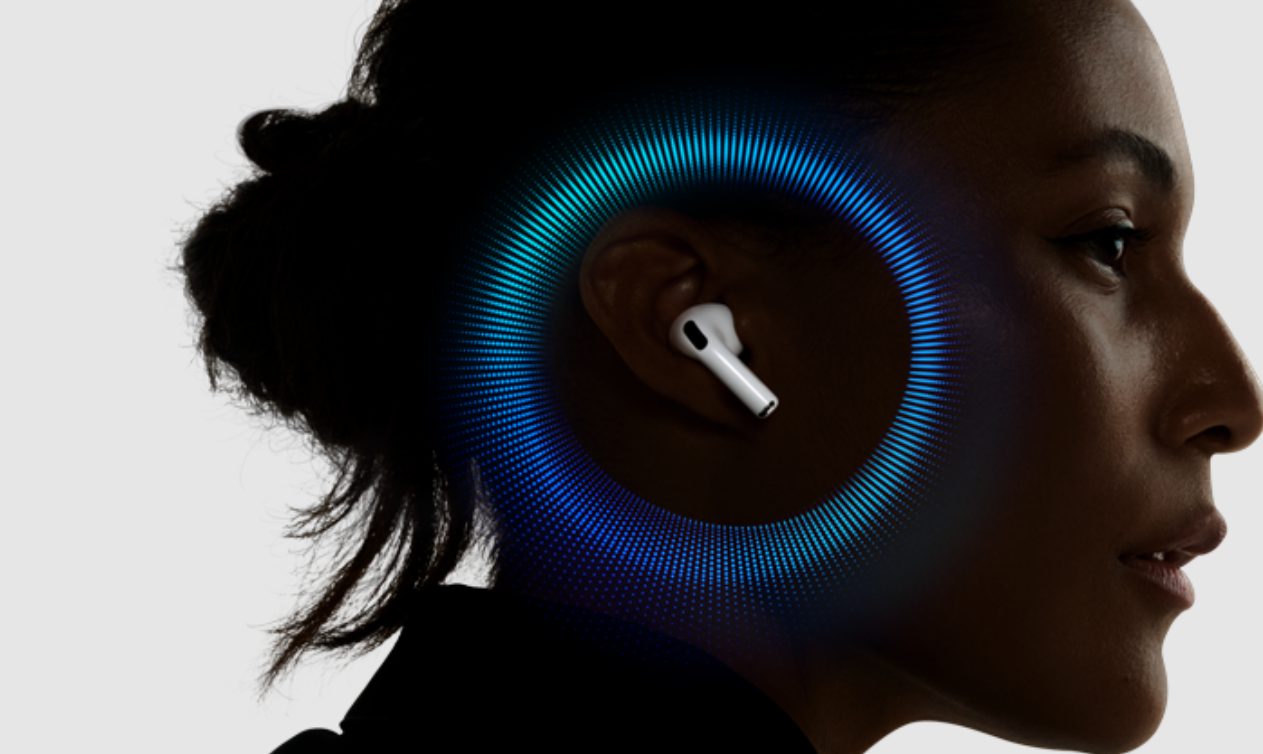
# Apple’s Ambitious Leap: The Introduction of Camera-Equipped AirPods
Apple Inc. has consistently been at the forefront of technological innovation, and its latest endeavor is no exception. Recent reports and research suggest that the tech giant is exploring the integration of cameras into its popular AirPods. While this development could revolutionize the way we think about wireless audio devices, it also raises significant concerns regarding battery life and privacy. In this article, we delve into the potential implications of camera-equipped AirPods, examining both the technological advancements and the ethical questions they bring to the forefront.
## The Evolution of AirPods: From Audio to Visual
Since their launch in 2016, AirPods have transformed the way users experience audio. The convenience of wireless earbuds, combined with features like seamless integration with Apple devices, has made them a staple for millions. However, as technology evolves, so do user expectations. The idea of incorporating cameras into AirPods represents Apple's attempt to push the boundaries of what users can expect from their audio devices.
The Technical Challenges of Integration
Integrating a camera into a compact device like AirPods poses several technical challenges. First and foremost is the issue of battery life. According to preliminary research, the addition of a camera could potentially cut the AirPods' battery life in half. Currently, AirPods offer a remarkable battery life ranging from 24 to 30 hours with the charging case. However, the power requirements of a camera—especially one capable of capturing high-quality images or video—could significantly diminish this performance.
Moreover, the size and weight of the camera would need to be carefully considered to maintain the comfort and fit that users expect from AirPods. Apple would need to innovate not only in the camera technology itself but also in how it manages power consumption and device ergonomics.
## The Surveillance Dilemma: Privacy Concerns
One of the most pressing issues surrounding the potential release of camera-equipped AirPods is the question of privacy. The idea of wearable technology with built-in cameras raises alarms about invisible surveillance. Unlike smartphones or other devices that users consciously operate, AirPods are often worn continuously, making it possible for users to record or capture images without others being aware.
The Ethical Implications of Wearable Cameras
The ethical implications of such technology are profound. As society grapples with concerns over surveillance and personal privacy, the introduction of camera-equipped AirPods could exacerbate these issues. Imagine walking into a public space where individuals may be recording without consent. This scenario raises critical questions: What regulations would govern the use of such technology? How could individuals protect their privacy in an increasingly surveilled world?
Furthermore, there is the potential for misuse. The integration of cameras into everyday accessories could lead to a rise in inappropriate behavior, such as recording intimate moments without consent. While Apple has historically focused on user privacy and security, the introduction of camera-equipped AirPods could challenge existing norms and expectations.
Balancing Innovation and Responsibility
As technology advances, it is crucial for companies like Apple to take a proactive approach to address these concerns. Implementing strict guidelines around the use of camera-equipped AirPods and developing features that promote user consent and privacy could help mitigate potential risks. For example, a visual indicator to signal when the camera is in use could be an effective way to promote transparency and accountability.
## The Future of AirPods: What Lies Ahead?
With the introduction of camera technology into AirPods still in its conceptual phase, it is essential to consider the broader implications for the future of wearable tech. If Apple successfully navigates the technical and ethical challenges associated with camera-equipped AirPods, we could see a new era of augmented reality experiences, capturing moments in real-time, and even enabling hands-free communication in entirely new ways.
Potential Applications of Camera-Equipped AirPods
The possibilities for camera-equipped AirPods are vast. They could serve as an innovative tool for capturing content on-the-go, allowing users to document their experiences seamlessly. From recording lectures to capturing personal vlogs or even live-streaming events, the potential applications are numerous. Additionally, the integration of augmented reality (AR) features could enhance user interactions with their environment, creating immersive experiences that blend the digital and physical worlds.
## Consumer Reception: A Double-Edged Sword
While the innovation of camera-equipped AirPods may excite tech enthusiasts, consumer reception could be mixed. On one hand, the allure of having a multifunctional device that combines audio and visual capabilities is appealing. On the other hand, the privacy concerns and potential for misuse may deter some users from adopting this technology.
The Importance of Consumer Feedback
As Apple considers the future of AirPods, it will be essential to seek consumer feedback and gauge public sentiment on this issue. Engaging with users to understand their concerns and expectations can help shape the development process and ensure that any new features enhance the user experience without compromising privacy.
## Conclusion: Navigating the Future of Audio Technology
As Apple explores the possibility of integrating cameras into AirPods, the company stands at a crossroads of innovation and responsibility. While the technical advancements could redefine the way we interact with audio devices, the accompanying ethical dilemmas must not be overlooked. The potential impacts on battery life, privacy, and consumer acceptance are critical factors that will shape the future of this technology.
As we move forward, it is imperative for Apple and other tech companies to prioritize transparency, user consent, and ethical considerations in their development processes. By doing so, they can ensure that the next generation of AirPods serves not only as a technological marvel but also as a responsible and respectful addition to our daily lives. The journey ahead may be fraught with challenges, but with careful navigation, the future of audio technology could be brighter than ever.