
BCI Suspends License Of Advocate Samarth Singh Over Twisha Sharma Dowry Death Case
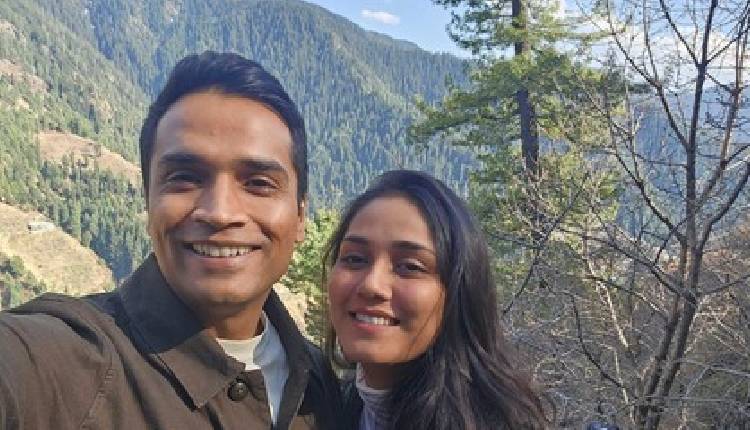
# BCI Suspends License of Advocate Samarth Singh in Twisha Sharma Dowry Death Case
In a significant move that has sent ripples through the legal community, the Bar Council of India (BCI) has suspended the license of Advocate Samarth Singh. This decision comes in the wake of serious allegations tied to the tragic death of his wife, Twisha Sharma, which has been categorized as a dowry death. This case has garnered considerable media attention and public outcry, reflecting broader societal concerns about dowry practices in India.
## Background of the Case
The dowry system, which has plagued Indian society for generations, involves the transfer of parental wealth to the groom and his family as part of the marriage arrangement. Despite being outlawed, dowry-related cases continue to surface, leading to severe consequences for many women. Twisha Sharma's death, which occurred under suspicious circumstances, has raised alarm bells and has prompted a deeper investigation into the systemic issues that continue to allow such practices to thrive.
Twisha Sharma was found dead at her residence, leading to an FIR (First Information Report) being filed against her husband, Samarth Singh, and his family. The complaint alleges that they subjected Twisha to mental and physical harassment related to dowry demands. The BCI's decision to suspend Singh's license is a direct response to the seriousness of these allegations, indicating that the council is taking a firm stance against any legal professionals who may be implicated in such reprehensible acts.
## The Bar Council of India’s Decision
The BCI's suspension of Singh's license was announced in a formal statement, emphasizing the organization’s commitment to upholding ethical practices within the legal profession. The council stated that legal practitioners must maintain a standard of conduct that reflects integrity and respect for human rights.
“The suspension is a necessary step to ensure that the legal profession is not tarnished by the actions of individuals who engage in unlawful activities,” said a BCI spokesperson. The council has also expressed its intention to conduct a thorough investigation into the matter, signifying that the legal proceedings will be closely monitored.
## Public Reaction
The news of Singh's license suspension has been met with mixed reactions from the public and legal experts. Many view the decision as a proactive measure to address the ongoing issue of dowry-related violence in India. Activists and women's rights organizations have applauded the BCI for taking a stand, asserting that such actions are crucial in the fight against patriarchy and gender-based violence.
Conversely, some legal professionals have raised concerns about the implications of this suspension, arguing that it could set a precedent for how allegations against lawyers are handled. They warn that while it is essential to address such serious matters, it is equally important to ensure that due process is followed, and that individuals are not prematurely judged before the legal proceedings conclude.
## The Legal Implications
The suspension of Advocate Samarth Singh may have broader implications for the legal community in India. It raises questions about the responsibilities of legal professionals and the standards they are held to, particularly when their personal lives intersect with their professional conduct.
Legal experts argue that this case underscores the need for stringent regulations and oversight within the legal profession. It also highlights the importance of ongoing education and training for lawyers regarding ethical standards and societal issues, including dowry and domestic violence.
## Dowry Deaths in India: A Growing Concern
The case of Twisha Sharma is not an isolated incident but rather part of a disturbing trend of dowry deaths in India. According to the National Crime Records Bureau (NCRB), thousands of women lose their lives each year due to dowry-related violence. The practice, despite being illegal, is deeply entrenched in many communities, and it often goes unreported, further complicating efforts to eradicate it.
Government initiatives and legal reforms aimed at curbing dowry practices have been implemented over the years, but challenges remain. Advocacy groups emphasize the importance of public awareness campaigns, education, and community involvement in changing societal attitudes towards dowry.
## Support for the Victims’ Families
In the wake of such tragedies, support for the families of victims is crucial. Organizations dedicated to supporting women and families affected by dowry violence are instrumental in providing them with the resources and legal assistance needed in their pursuit of justice.
Legal aid groups are often at the forefront, helping families navigate the complex legal system and ensuring that their voices are heard. The suspension of Singh's license could serve as a catalyst for further action, encouraging victims to come forward and seek justice without fear of retribution.
## Moving Forward: A Call to Action
As society grapples with the implications of dowry practices, it is essential for all stakeholders, including the government, legal professionals, and civil society, to work collaboratively towards a solution. The BCI's decision to suspend Advocate Samarth Singh highlights the importance of accountability within the legal profession and serves as a reminder that no one is above the law.
Public consciousness surrounding dowry deaths must be heightened, and discussions around gender equality and women's rights should be prioritized. Education systems, community programs, and media campaigns can play pivotal roles in reshaping perceptions and fostering a culture that rejects dowry practices.
## Conclusion
The suspension of Advocate Samarth Singh by the Bar Council of India serves as a poignant reminder of the legal and societal challenges surrounding dowry deaths in India. As the investigation unfolds, it will be imperative for the legal community and society at large to reflect on the underlying issues that contribute to such tragedies.
This case not only spotlights the urgent need to address dowry-related violence but also emphasizes the role of legal professionals in advocating for justice and ethical standards. It is a call to action for all to work towards a future where every individual, regardless of gender, can live free from the threats of harassment and violence tied to antiquated traditions. The road ahead may be challenging, but it is a journey that must be undertaken to forge a more equitable society.