
Ceasefire and regional stability main issues in talks, Iran says as US proposal remains under review
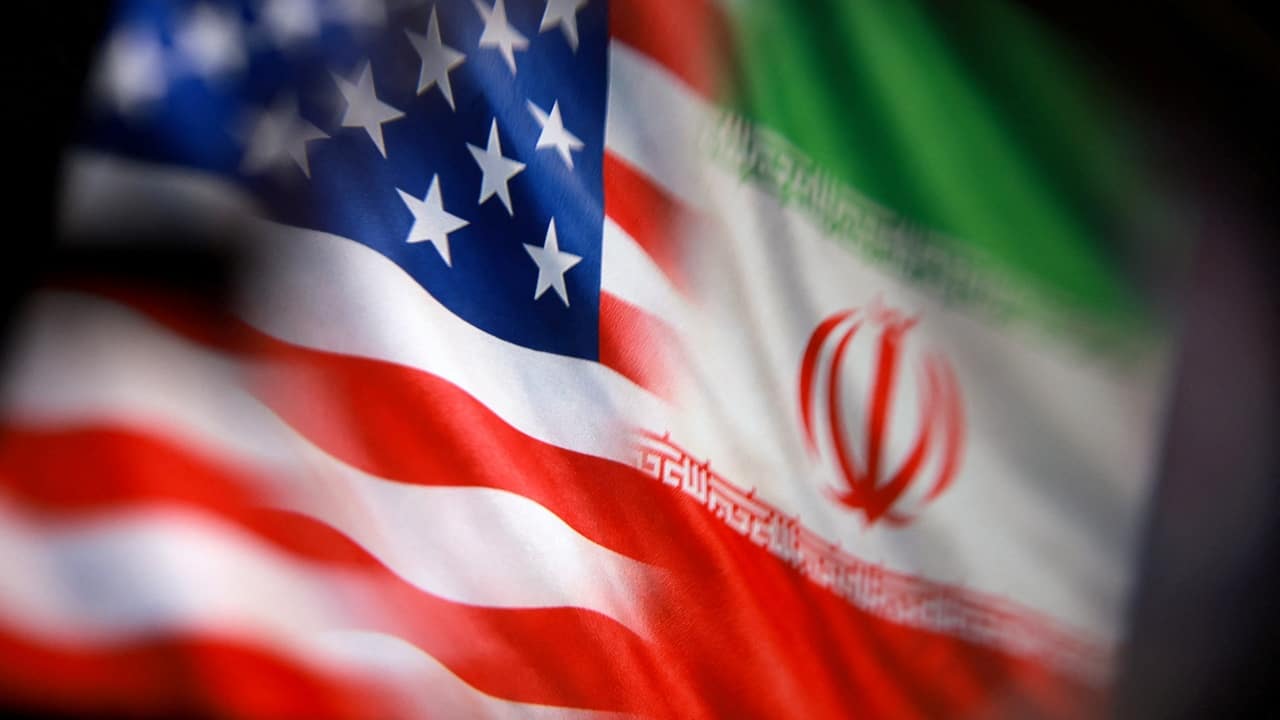
# Iran Evaluates US Proposals Amid Ceasefire and Regional Stability Talks
In a significant development in international diplomacy, Iran has announced that it is currently reviewing proposals communicated through mediation channels regarding the ongoing discussions about a ceasefire and regional stability. As tensions continue to simmer in the Middle East, the Iranian government remains committed to carefully analyzing these proposals before arriving at a final decision. This statement reflects Iran's strategic approach to diplomacy, balancing its national interests with the pressing need for peace in the region.
## The Context of Ongoing Discussions
The discussions surrounding a potential ceasefire and regional stability have gained momentum in recent months, especially in light of escalating conflicts that have affected various countries in the Middle East. The United States, among other nations, has been actively involved in mediating these talks, aiming to foster a more stable and peaceful environment in the region.
Iran's position in these discussions is crucial, given its influence over several proxy groups and its role in regional geopolitics. The Iranian government has emphasized its commitment to evaluating any proposals thoughtfully, signaling its willingness to engage in dialogue while also asserting its sovereignty and interests.
## Importance of Ceasefire and Regional Stability
The importance of a ceasefire cannot be overstated. Prolonged conflicts have led to significant humanitarian crises, displacing millions and destabilizing nations. A ceasefire could pave the way for negotiations on longer-term solutions that address the root causes of these conflicts, including political, economic, and social grievances.
Moreover, regional stability is vital not just for the Middle East but for global security. The region is a critical hub for energy supplies, and any instability can have far-reaching implications for international markets. A stable Middle East can lead to improved economic prospects and enhance cooperation between nations.
## Iran's Diplomatic Stance
Iran's foreign policy has often been characterized by a blend of assertiveness and cautious engagement. The Iranian government has reiterated its commitment to national sovereignty and regional influence, which complicates its diplomatic interactions. However, Tehran's willingness to review US proposals indicates a recognition of the need for dialogue in addressing regional challenges.
Iran's leaders have consistently expressed their concerns over foreign interference and the need for a multipolar approach to regional governance, which respects the rights and interests of all nations involved. This stance may influence how Tehran engages with the current proposals under review.
## The Role of Mediation Channels
Mediation plays a critical role in international diplomacy, especially in complex regions like the Middle East. Various countries and organizations have stepped forward to facilitate dialogue between Iran and other nations, including the United States. These mediation channels aim to create a conducive atmosphere for negotiations by building trust and reducing tensions.
The effectiveness of these mediation efforts will largely depend on the willingness of all parties to engage in good faith and compromise. Iran's ongoing review of the proposals is an essential step in this process, as it indicates a level of seriousness in addressing the issues at hand.
## Challenges Ahead
Despite the potential for progress, several challenges remain in achieving a ceasefire and regional stability. The geopolitical landscape in the Middle East is fraught with complexities, including longstanding rivalries, sectarian divisions, and external interventions. These factors create a volatile environment where mistrust can easily escalate tensions.
Moreover, Iran's relationship with the United States has been historically contentious, marked by sanctions, military posturing, and a lack of diplomatic relations. Any proposals from the US will need to address Iran's concerns about sovereignty and security, which could be a significant hurdle in the negotiations.
## The Impact of US Proposals
The US proposals currently under review by Iran are expected to address various aspects of regional security and cooperation. Key areas of focus may include arms control, counterterrorism efforts, and economic cooperation. The extent to which these proposals align with Iran's national interests will determine their acceptance.
Iran's leaders have previously indicated that any agreement must not compromise their country's security or regional influence. Therefore, the US will need to approach these discussions with a clear understanding of Iran's priorities to foster a conducive environment for negotiations.
## Public Sentiment and Domestic Considerations
Domestic opinion in Iran will also play a significant role in shaping the government's response to the US proposals. The Iranian populace has been heavily affected by economic sanctions and the consequences of ongoing conflicts in the region. A successful diplomatic outcome that leads to a ceasefire and improved regional relations could bolster public support for the government's initiatives.
Conversely, any perceived capitulation to foreign demands could lead to domestic backlash. Therefore, the Iranian government must navigate these internal dynamics carefully while engaging in international diplomacy.
## Engaging with Regional Players
In addition to US proposals, Iran's negotiations will likely involve discussions with other regional players. Countries such as Saudi Arabia, Turkey, and Iraq have vested interests in the stability of the Middle East and could play crucial roles in mediating discussions. Engaging with these nations will be essential for Iran to build a comprehensive approach to regional stability.
The complexity of regional relationships means that any ceasefire agreement will need to consider the various stakeholders involved. A collaborative approach that includes dialogue with neighboring countries will be vital for the long-term success of any initiatives.
## Conclusion: A Path Forward for Iran and the Region
As Iran evaluates the proposals presented through mediation channels, the potential for a ceasefire and enhanced regional stability remains a pivotal issue. The complexities of the geopolitical landscape in the Middle East necessitate careful consideration and dialogue among all parties involved.
The Iranian government's ongoing review process reflects a commitment to finding a path forward that prioritizes national interests while acknowledging the need for peace and stability in the region. The outcome of these discussions will not only determine the future of Iran’s relations with the United States but could also reshape the broader dynamics of Middle Eastern geopolitics.
Achieving a lasting ceasefire and fostering regional stability will require patience, compromise, and a willingness to engage in constructive dialogue. As the world watches closely, the next steps taken by Iran and its negotiating partners will be crucial in determining the future of peace in the Middle East.