
Consumers Can't Be Required To Pay For Service Which They No Longer Received: SC
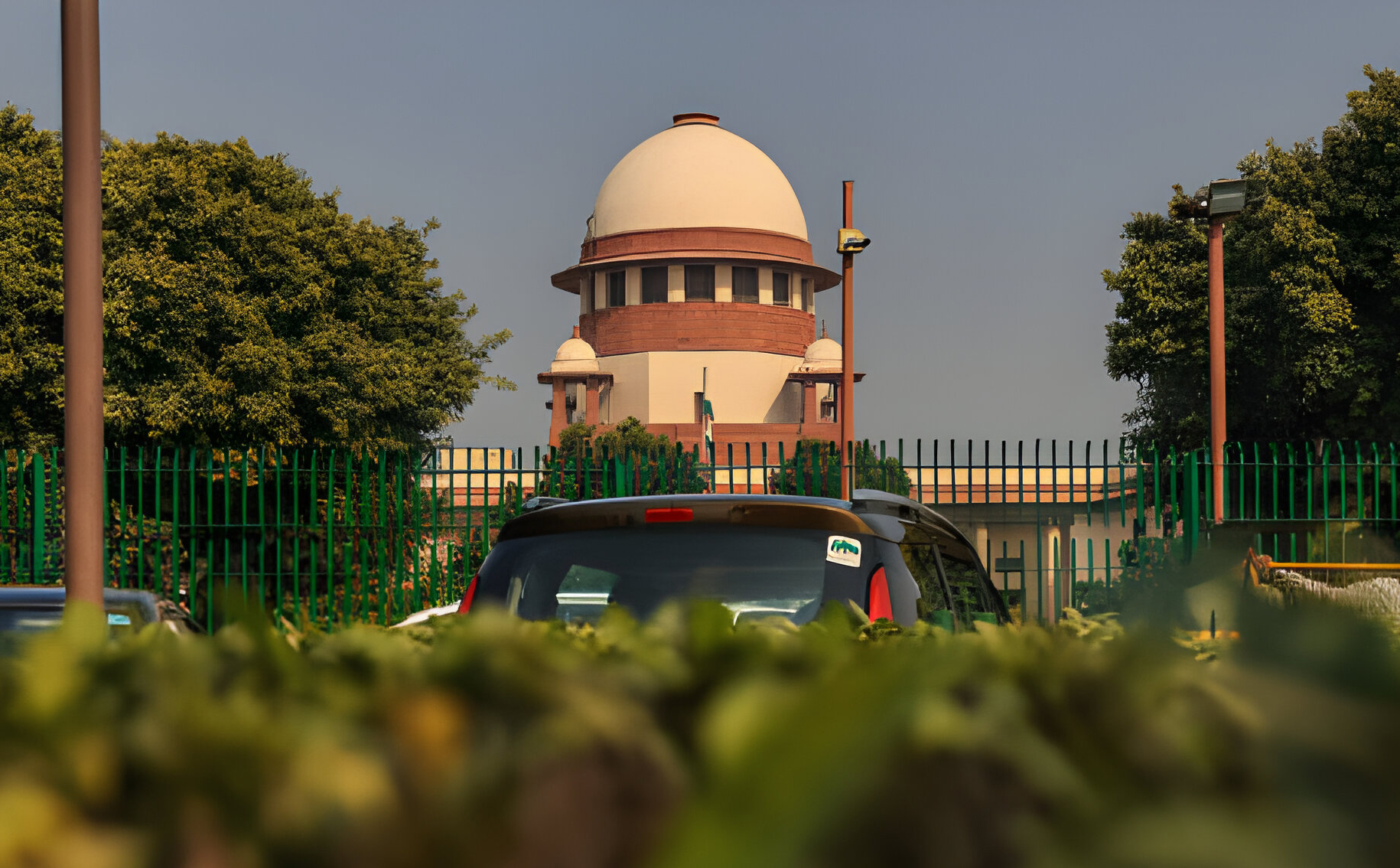
# Consumers Cannot Be Required to Pay for Services Not Received: Supreme Court Ruling
Introduction
In a landmark decision that resonates with consumers across India, the Supreme Court has ruled that individuals cannot be mandated to pay for services they no longer receive. This ruling underscores the importance of fair consumer practices and highlights the role of regulatory bodies in ensuring transparency and accountability in service provision. The implications of this judgment extend beyond the immediate case and may redefine consumer rights in the energy sector and beyond.
The Case Background
On May 7, 2023, the Supreme Court delivered a pivotal judgment that overturned a February 2022 order from the Appellate Tribunal for Electricity (APTEL). The APTEL's decision had authorized the recovery of the entire capital cost of the Rithala Combined Cycle Power Plant in Delhi through depreciation. This ruling raised significant concerns about the implications for consumers who, according to the Supreme Court, should not bear the burden of paying for services that they are no longer receiving.
Understanding the Supreme Court's Judgment
In its ruling, the Supreme Court emphasized that tariff determination is not merely a mathematical exercise; it is, in fact, a complex regulatory balancing act. The court highlighted the need for a fair assessment of both the operational costs of energy providers and the rights of consumers. This judgment serves as a reminder that consumer welfare must be at the forefront of regulatory decisions.
The court's decision to set aside the APTEL order was rooted in the principle that consumers should not be penalized for the inefficiencies or failures of service providers. By establishing this precedent, the Supreme Court has reinforced the notion that regulatory frameworks must prioritize consumer rights and ensure that they are not subjected to unjust financial burdens.
Implications for Consumers and Service Providers
The Supreme Court's ruling has significant implications for both consumers and service providers in the energy sector. For consumers, this judgment reinforces their rights and empowers them to challenge unfair billing practices. It establishes a legal foundation that can protect consumers from being charged for services they do not receive, thereby promoting equitable treatment.
From the perspective of service providers, this ruling underscores the need for greater transparency and accountability in tariff determination processes. Utility companies will now be compelled to reassess their billing practices and ensure that their cost recovery models are fair and justifiable. This may lead to a reevaluation of how capital costs are recovered and a greater focus on consumer satisfaction.
The Importance of Regulatory Oversight
This case exemplifies the critical role of regulatory bodies in maintaining a balance between the interests of service providers and consumers. Regulatory agencies must ensure that tariff structures are designed with fairness and transparency in mind. This ruling serves as a wake-up call for regulatory bodies to prioritize consumer protection and to implement policies that safeguard consumers from unfair billing practices.
Furthermore, the judgment highlights the need for ongoing dialogue between regulators, service providers, and consumers. By fostering better communication and understanding among these stakeholders, it is possible to create a more equitable energy market that benefits all parties involved.
Consumer Rights in the Energy Sector
As the energy sector continues to evolve, it is essential for consumers to be aware of their rights. The Supreme Court's ruling serves as an important reminder that consumers have the right to challenge unjust billing practices and to seek redress when they feel that their rights have been violated. Consumers should be encouraged to voice their concerns and to utilize available channels for dispute resolution.
Additionally, consumer advocacy groups play a crucial role in raising awareness about consumer rights and empowering individuals to stand up against unfair practices. By educating consumers about their rights, these organizations can help foster a more informed and engaged populace that is better equipped to navigate the complexities of the energy market.
Looking Ahead: The Future of Consumer Protection
As we move forward, it is vital that the principles established in this Supreme Court ruling are integrated into broader consumer protection policies. Policymakers must take note of this judgment and work towards implementing regulations that prioritize consumer welfare in all sectors, not just energy.
Moreover, the ongoing evolution of technology and the emergence of new energy sources present both challenges and opportunities for consumer protection. As the energy landscape changes, so too must the regulatory frameworks that govern it. This requires a proactive approach from regulators to adapt to new realities while ensuring that consumer rights remain protected.
Conclusion
The Supreme Court's recent ruling that consumers cannot be required to pay for services they no longer receive marks a significant step forward in the protection of consumer rights in India. By emphasizing the importance of regulatory balance and fairness in tariff determination, the court has set a precedent that could reshape the energy sector and beyond.
As consumers become more empowered to challenge unfair practices, the onus is on regulatory bodies and service providers to ensure transparency and accountability. This ruling not only reinforces the rights of consumers but also serves as a reminder of the importance of fairness in all service sectors. In an ever-evolving marketplace, protecting consumer rights must remain a priority for policymakers, regulators, and service providers alike.