
Did Khamenei’s killing push North Korea to rewrite Constitution? Kim's assassination to 'automatically' trigger nukes
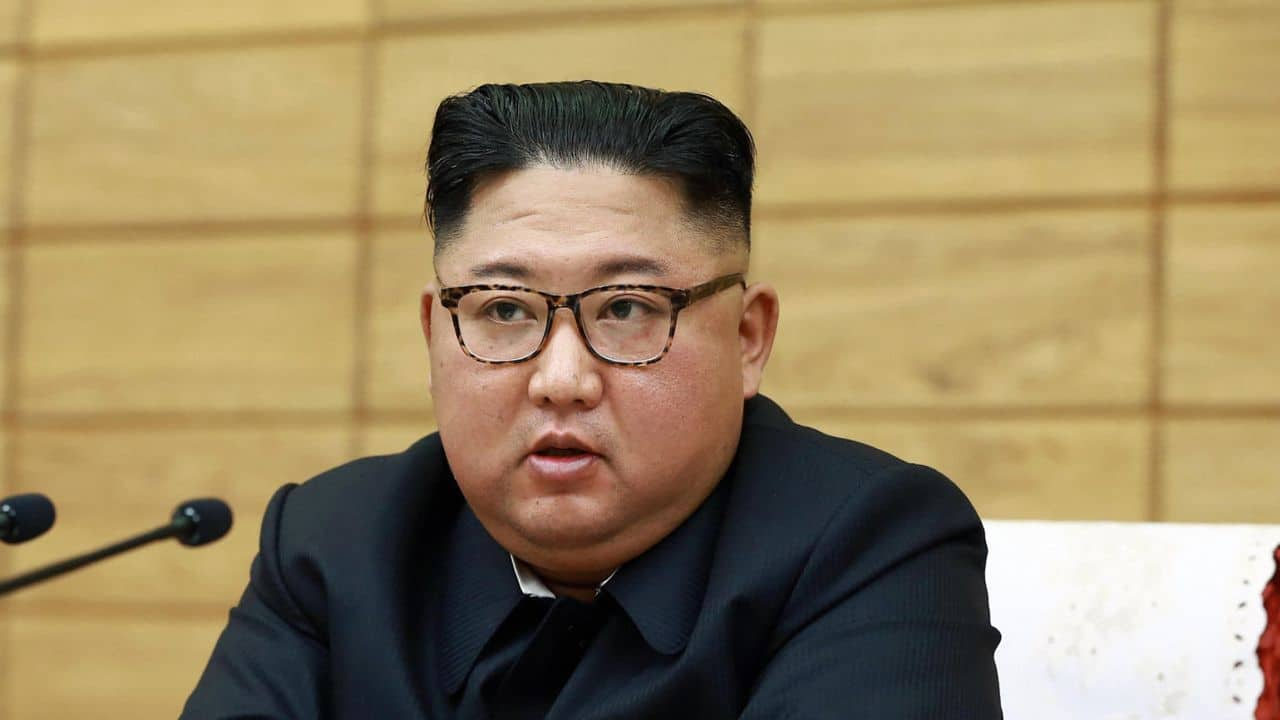
# Did Khamenei’s Killing Push North Korea to Rewrite Constitution? Kim's Assassination Could Trigger Nuclear Response
In an era where geopolitical tensions can escalate in the blink of an eye, North Korea's recent constitutional amendments have raised eyebrows across the globe. The potential implications of these changes, particularly in light of Iranian leader Ali Khamenei's recent assassination, signal a concerning shift in how the North Korean regime plans to respond to crises, particularly those that threaten its very existence. This article delves into the implications of these constitutional changes, their connection to global events, and what they could mean for international security.
## The Context: Khamenei's Assassination and Global Repercussions
The assassination of Ali Khamenei, the Supreme Leader of Iran, sent shockwaves throughout the Middle East and beyond. Khamenei was a pivotal figure in shaping Iran's foreign policy and its nuclear ambitions. His death raises questions about the future direction of Iran's strategic posture, particularly regarding its relationships with allies and adversaries alike.
In a climate of uncertainty following this high-profile assassination, North Korea appears to be taking preemptive actions to fortify its own position. The North Korean leadership has historically viewed itself as under constant threat from external forces, particularly from the United States and its allies. Khamenei's assassination is viewed as a stark reminder of the dangers that come with leadership, prompting the North Korean regime to rethink its constitutional framework concerning military engagement and nuclear policy.
## North Korea's Constitutional Changes: A Response to Threats?
Reports indicate that North Korea's recent constitutional amendments focus on solidifying the military's autonomy and the immediate response protocols in case of a leadership crisis. The core of this revision is an alarming stipulation: should Kim Jong-un be incapacitated or killed, the military would have the authority to launch a nuclear response "automatically." This development is not merely a bureaucratic shift; it signifies a profound change in military doctrine and the nature of governance in North Korea.
The Importance of Military Autonomy
The constitutional changes grant the military unprecedented powers, allowing it to act independently in situations where the Supreme Leader cannot direct operations. This autonomy could fundamentally alter the decision-making process regarding nuclear engagement. The implications are vast, especially when considering the heightened volatility of international relations and the risks of miscalculations that could lead to catastrophic consequences.
A Strategy for Retaliation
The North Korean regime has often used a strategy of deterrence, relying on its nuclear arsenal to stave off perceived threats. The latest constitutional changes may serve as a mechanism to assure both the military and the populace that the state is prepared for any eventuality, even in the event of a leadership vacuum. This shift could provide a sense of stability within the regime while simultaneously sending a menacing message to adversaries.
## Implications for International Security
The ramifications of North Korea's constitutional amendments extend far beyond its borders. The prospect of an "automatic" nuclear response in the event of Kim's assassination poses a significant risk to regional and global security. This policy could lead to rapid escalations in crises, with military leaders potentially taking unilateral actions without the direct oversight of a civilian authority.
Escalating Tensions in East Asia
As North Korea continues to develop its military capabilities, neighboring countries, particularly South Korea and Japan, may feel compelled to reassess their security strategies. The introduction of a doctrine that allows for nuclear retaliation without direct orders from the leader could prompt these nations to enhance their own military readiness, potentially igniting an arms race in the region.
The Role of Global Powers
The United States, Russia, and China, as key players in the North Korean crisis, must navigate a complex web of diplomacy in light of these developments. The U.S. has consistently advocated for the denuclearization of the Korean Peninsula, yet North Korea's constitutional changes complicate this goal significantly. The potential for miscommunication or misinterpretation of military actions could lead to severe diplomatic tensions, necessitating a careful approach from all involved parties.
## The Historical Context of North Korea's Nuclear Policy
North Korea's nuclear ambitions have been a central issue in international relations since the early 1990s. The regime's pursuit of nuclear weapons has been driven by a desire for security and recognition on the global stage. Historically, North Korea has viewed its nuclear arsenal as a deterrent against invasion and a tool for negotiating concessions from international powers.
Shifts in Military Doctrine
The shift in military doctrine, as outlined in the recent constitutional changes, marks a departure from traditional norms. Historically, nuclear engagement has required careful deliberation and direct orders from the leadership. The allowance for military autonomy in nuclear decision-making represents a worrying escalation in the potential for conflict, reflecting the regime's increasing paranoia and the perceived need for rapid response capabilities.
## The Global Response: What Needs to Be Done?
The international community must respond strategically to North Korea's constitutional changes. Diplomatic engagement is essential to mitigate the risks associated with an automated military response. Here are several strategies that could be effective in addressing the new challenges posed by North Korea:
Encouraging Dialogue
Open channels of communication between North Korea and its adversaries are crucial. Diplomatic efforts should focus on reinforcing the importance of direct communication to prevent misunderstandings that could lead to military escalation.
Strengthening Alliances
The United States should work closely with South Korea and Japan to bolster their defense capabilities while promoting a unified front against North Korean aggression. Enhanced military cooperation and intelligence sharing can create a more robust deterrent against potential threats.
Engaging Regional Powers
China and Russia, as influential players in the region, should be encouraged to play a more proactive role in addressing North Korea's nuclear ambitions. Collaborative efforts can help to stabilize the situation and promote a peaceful resolution.
## Conclusion: A New Era of Uncertainty
North Korea's recent constitutional changes, particularly in light of Khamenei’s assassination, herald a new and perilous chapter in global security dynamics. The implications of allowing military autonomy in nuclear decision-making cannot be overstated. As the international community grapples with the fallout of these developments, proactive measures are essential to mitigate risks and foster a more stable geopolitical environment. The world must remain vigilant as North Korea navigates this uncharted territory, ensuring that diplomacy prevails over escalation in a time of unprecedented uncertainty.