
Dimapur hosts NVBDCP training to boost disease reporting, outbreak response
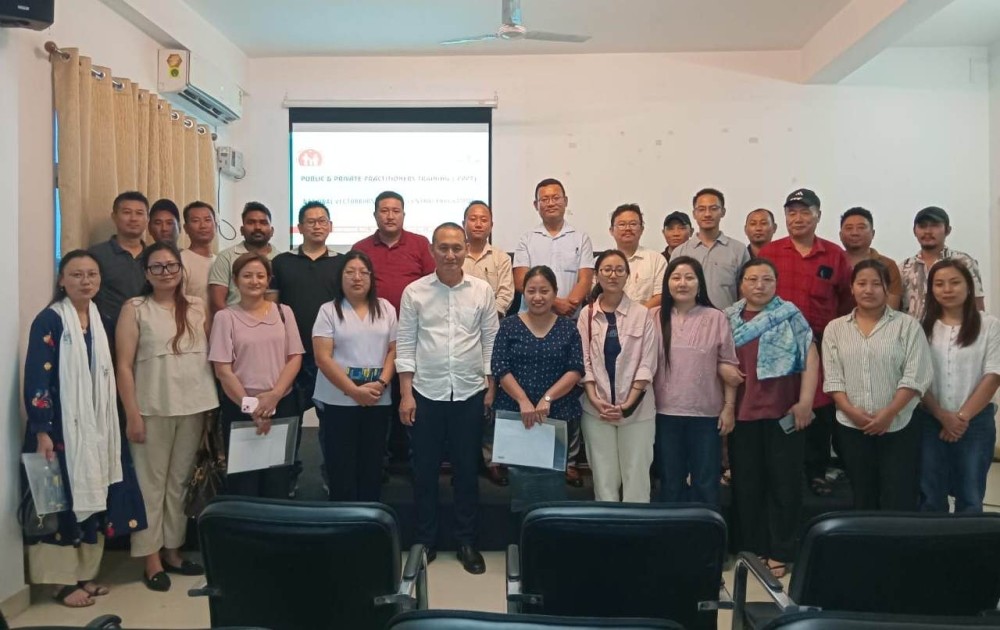
Dimapur Hosts NVBDCP Training to Boost Disease Reporting, Outbreak Response
Dimapur, April 19 (MExN): In a significant move towards enhancing public health capabilities, Dimapur hosted a Public Private Practitioner Training (PPPT) on the National Vector Borne Diseases Control Programme (NVBDCP) on April 18. The training, held at the Chief Medical Officer’s Conference Hall, aimed to strengthen disease diagnosis, reporting, and response mechanisms for vector-borne diseases, which pose serious health risks in the region.
Addressing the Growing Concern of Vector-Borne Diseases
Vector-borne diseases, transmitted by organisms such as mosquitoes and ticks, are a major public health concern in India, particularly in states like Nagaland where geographical and climatic conditions facilitate disease transmission. Diseases like malaria, dengue, and chikungunya have seen a rise in cases, necessitating a robust response from healthcare practitioners.
The NVBDCP, launched by the Government of India, aims to control and prevent these diseases through a comprehensive strategy that includes surveillance, diagnosis, treatment, and community engagement. The training in Dimapur was designed to equip local healthcare providers with the necessary skills and knowledge to effectively diagnose and report such diseases, ensuring timely intervention and outbreak management.
Key Highlights of the Training Session
The training session brought together a diverse group of healthcare professionals, including public health officials, private practitioners, and medical interns. Leading the session was Dr. Chumbenla, a prominent figure in the public health sector, who emphasized the importance of collaboration between public and private sectors in addressing health challenges.
Participants engaged in interactive discussions and hands-on workshops focused on the latest diagnostic techniques, treatment protocols, and reporting practices for vector-borne diseases. Dr. Chumbenla highlighted, “Accurate reporting is crucial for effective disease surveillance. When practitioners are well-informed, we can respond swiftly to outbreaks and protect our communities.”
Attendees also received training on the use of mobile health technology to streamline reporting processes, making it easier for practitioners to share data with health authorities. This innovative approach not only enhances the efficiency of disease reporting but also fosters a culture of accountability and responsiveness in healthcare delivery.
Community Impact and Future Prospects
The implications of the training extend beyond the walls of the conference hall. By empowering local healthcare providers, the initiative aims to improve disease management at the community level. Enhanced reporting and response capabilities can lead to early detection of outbreaks, ultimately saving lives and reducing the burden on healthcare systems.
Moreover, the training aligns with the broader goals of the NVBDCP, which seeks to reduce morbidity and mortality associated with vector-borne diseases. With the increasing incidence of these diseases in the region, the training serves as a timely intervention to bolster public health infrastructure.
In addition to immediate benefits, the training lays the groundwork for future collaborations between public health authorities and private practitioners. As healthcare continues to evolve, such partnerships will be crucial in adapting to emerging health threats and ensuring a comprehensive approach to disease control.
Conclusion: A Step Towards Healthier Communities
The NVBDCP training in Dimapur represents a proactive step towards enhancing the region’s capacity to combat vector-borne diseases. By fostering collaboration between public and private healthcare sectors, the program aims to create a network of informed practitioners ready to tackle health challenges head-on.
As the region prepares for the monsoon season, a time known for increased vector activity, the skills acquired during this training will be invaluable. The commitment shown by healthcare professionals during the training reflects a shared dedication to improving public health and safeguarding communities from the threat of vector-borne diseases.
With ongoing efforts and a renewed focus on disease reporting and outbreak response, Dimapur is poised to make significant strides in public health management, ultimately leading to a healthier, safer environment for all its residents.