
Ebola outbreak: Govt urges to avoid non-essential travel to affected regions
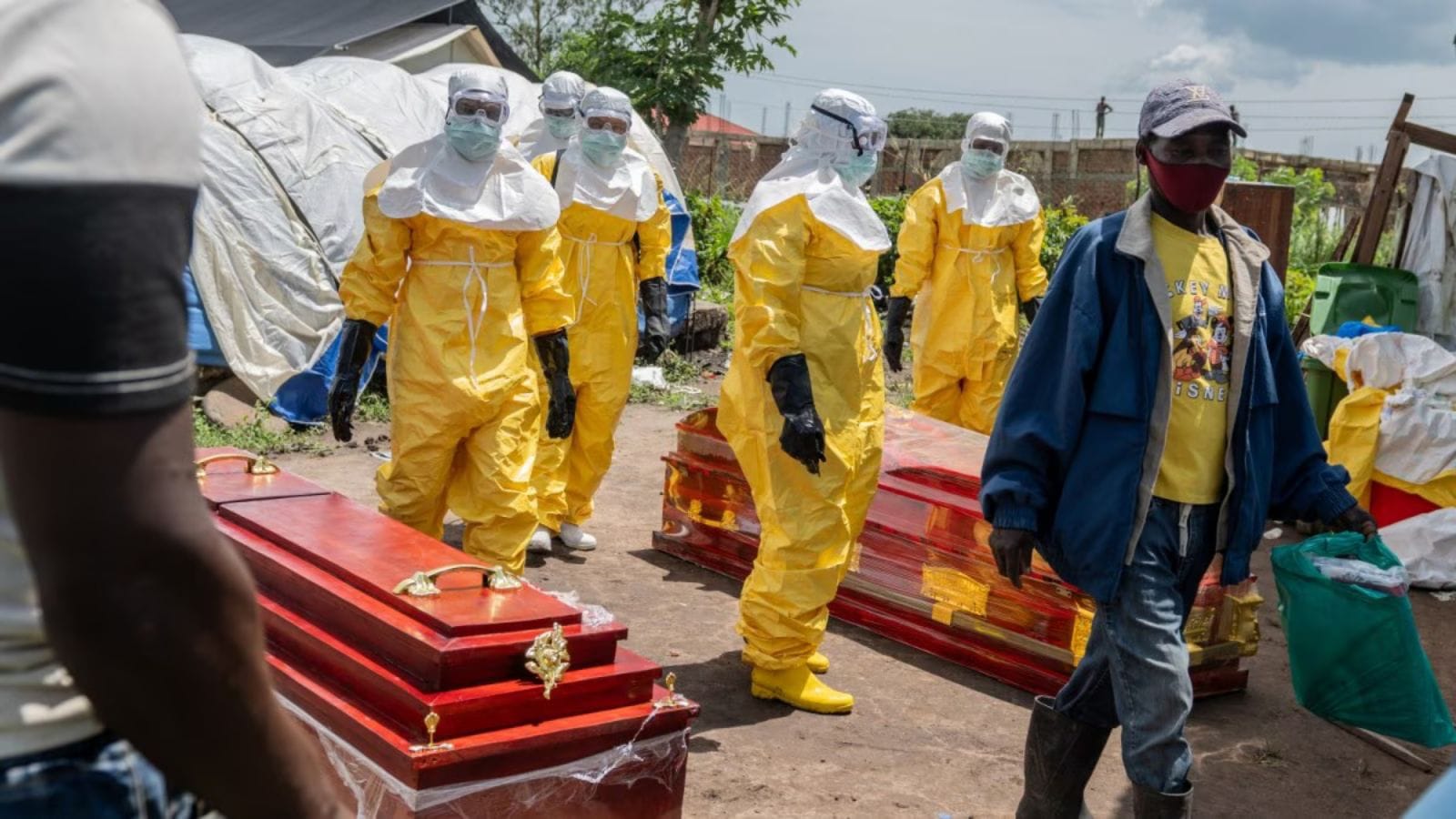
# Ebola Outbreak: Government Advises Against Non-Essential Travel to Affected Regions
## Introduction
In the wake of a rising Ebola outbreak in the Democratic Republic of the Congo (DRC), health officials are urgently advising the public to reconsider any non-essential travel to the affected regions. As of May 21, 2023, the DRC has reported a staggering 746 suspected cases, alongside 176 fatalities linked to the virus. Understanding the implications of this outbreak is crucial, not just for those planning to travel but also for global health security and public awareness. In this article, we delve into the current situation, the response from health authorities, and what individuals need to know to stay safe.
## The Current Situation in the DRC
The resurgence of Ebola in the DRC has raised alarm bells both locally and internationally. The World Health Organization (WHO) has classified this outbreak as concerning, citing the rapid increase in cases over the past weeks. The virus, which is often fatal, predominantly spreads through direct contact with bodily fluids of infected individuals or through handling of infected animals.
Statistics at a Glance
- **Suspected Cases**: 746
- **Deaths**: 176
- **Affected Regions**: Multiple provinces, with a focus on rural areas where healthcare access is limited.
These numbers highlight the severity of the outbreak and underscore the need for immediate action to contain the spread of the virus.
## Government Response and Travel Advisory
In response to the escalating situation, the DRC's Ministry of Health, in coordination with international health organizations, has initiated a series of measures aimed at controlling the outbreak. These initiatives include:
- **Enhanced Surveillance**: Increased monitoring of communities to identify new cases quickly.
- **Vaccination Campaigns**: Efforts to vaccinate healthcare workers and those at highest risk.
- **Public Awareness Campaigns**: Education on the symptoms of Ebola and the importance of seeking medical help early.
Travel Advisory
The government has issued a strong recommendation against non-essential travel to the affected regions. This advisory serves two primary purposes: to protect the health and safety of travelers and to help mitigate the risk of spreading the virus to other areas. Travelers are urged to stay informed about the situation and to consult health officials before making any travel plans.
## Understanding Ebola: Symptoms and Transmission
Ebola Virus Disease (EVD) is a severe and often fatal illness. The symptoms can appear suddenly and include fever, fatigue, muscle pain, headache, and sore throat, followed by vomiting, diarrhea, rash, and in some cases, internal and external bleeding. Symptoms typically appear 2 to 21 days after exposure to the virus, making it critical for individuals to be vigilant if they have traveled to or come into contact with anyone from affected areas.
How Ebola Spreads
Ebola is transmitted through direct contact with the bodily fluids of infected individuals, which may include:
- Blood
- Saliva
- Sweat
- Semen
- Vomit
- Feces
Additionally, the virus can be contracted by handling infected animals, such as bats or nonhuman primates, which are thought to be natural hosts of the virus. Understanding these transmission routes is vital for travelers and healthcare workers in affected regions.
## The Importance of Vaccination
Vaccination is a key strategy in controlling Ebola outbreaks. The rVSV-ZEBOV vaccine has shown efficacy in protecting against the Ebola virus. Health authorities are prioritizing vaccinations for frontline healthcare workers and those in close contact with suspected cases.
How the Vaccine Works
The rVSV-ZEBOV vaccine works by using a live attenuated vesicular stomatitis virus (VSV) that has been genetically modified to express a surface protein of the Ebola virus. This prompts an immune response without causing the disease itself.
Community Engagement
Local communities play a vital role in the vaccination process. Health officials are working closely with community leaders to ensure that people understand the benefits of vaccination and to address any concerns or misconceptions surrounding the vaccine.
## Global Implications and Public Health
The DRC outbreak has implications that extend beyond its borders. As seen in past outbreaks, Ebola can potentially spread to other countries, particularly if travelers are not cautious. The global health community is on high alert, monitoring the situation and ready to respond should the need arise.
International Cooperation
Countries around the world are collaborating to provide support to the DRC. This includes sending medical supplies, healthcare professionals, and expertise in outbreak management. The WHO and other health organizations are also facilitating communication between countries to ensure that they are prepared for any potential cases that may arise.
## Precautionary Measures for Travelers
For those who must travel to the DRC or surrounding regions, it is essential to take precautionary measures to protect oneself from Ebola. Here are some tips to keep in mind:
1. **Stay Informed**: Regularly check updates from health authorities regarding the outbreak and travel advisories.
2. **Avoid Contact**: Steer clear of any contact with individuals who are ill or displaying symptoms of Ebola.
3. **Practice Good Hygiene**: Frequent handwashing with soap and water or using hand sanitizer can significantly reduce the risk of infection.
4. **Seek Medical Attention**: If you experience any symptoms after returning from an affected area, seek medical attention immediately and inform healthcare providers of your travel history.
## Conclusion
The Ebola outbreak in the Democratic Republic of the Congo is a stark reminder of the ongoing challenges posed by infectious diseases. With 746 suspected cases and 176 deaths reported as of May 21, 2023, the situation remains critical. The government’s advisory against non-essential travel to affected regions is a necessary precaution to protect both public health and travelers. As the global community rallies to support the DRC in its efforts to contain the outbreak, public awareness and individual responsibility are key in preventing further spread. By staying informed and taking the necessary precautions, we can collectively contribute to global health security and safety.