
Electoral roll revision: EC announces Phase 3 of SIR in 16 states, 3 UTs starting May 30
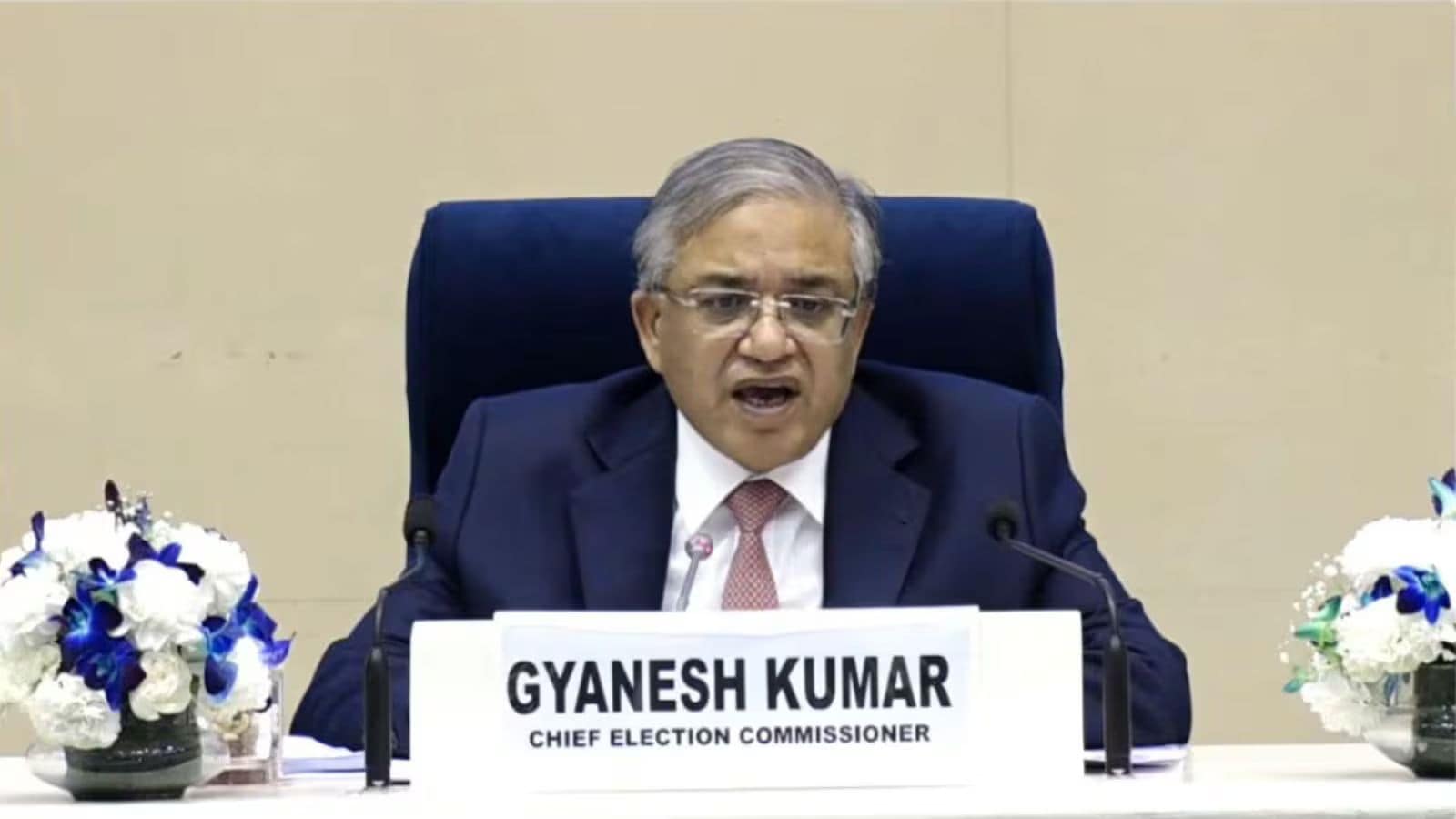
# Electoral Roll Revision: EC Launches Phase 3 of SIR in 16 States and 3 UTs Starting May 30
In a significant move aimed at enhancing the electoral process, the Election Commission of India (ECI) has unveiled Phase 3 of the Special Intensive Revision (SIR) of electoral rolls. This initiative, which will commence on May 30, covers 16 states and 3 Union Territories (UTs), marking a crucial step towards ensuring a more inclusive and updated voter registry. As the nation gears up for this extensive electoral exercise, here’s everything you need to know about the rollout details, schedules, and implications of this pivotal phase.
## Understanding the Special Intensive Revision (SIR)
The Special Intensive Revision (SIR) is a systematic approach initiated by the Election Commission to update and revise the electoral rolls in preparation for upcoming elections. The process aims to ensure that the electoral rolls are accurate, comprehensive, and reflect the current demographic realities of the nation. This phase is particularly significant as it seeks to enhance voter participation by making sure every eligible citizen is registered to vote.
Why is the Electoral Roll Revision Important?
Electoral roll revision plays a vital role in the democratic process. Here are a few reasons why this exercise is crucial:
1. **Accuracy**: It helps in removing names of deceased individuals and those who have shifted to other constituencies.
2. **Inclusivity**: Ensures that new voters, especially the youth, are registered in a timely manner.
3. **Transparency**: An updated electoral roll enhances the transparency of the electoral process.
4. **Participatory Democracy**: By ensuring that every eligible voter is registered, the revision fosters a more participatory democratic process.
## Details of Phase 3: States and UTs Involved
The Election Commission has identified 16 states and 3 Union Territories that will undergo the Phase 3 revision. The states included in this phase are:
1. Maharashtra
2. Tamil Nadu
3. West Bengal
4. Uttar Pradesh
5. Gujarat
6. Karnataka
7. Rajasthan
8. Punjab
9. Haryana
10. Odisha
11. Assam
12. Jharkhand
13. Chhattisgarh
14. Himachal Pradesh
15. Uttarakhand
16. Telangana
The Union Territories involved in this phase are:
1. Delhi
2. Jammu and Kashmir
3. Ladakh
This extensive reach underlines the Election Commission's commitment to ensuring that the electoral rolls are comprehensive and reflect the diverse demographics of the country.
Key Dates and Schedule
The electoral roll revision process will commence on May 30 and is expected to run through several key phases, including:
- **Start Date**: May 30, 2023
- **End Date for Claims and Objections**: June 15, 2023
- **Final Publication of Electoral Rolls**: June 30, 2023
During this period, citizens will have the opportunity to check their names on the electoral rolls, file claims for new registrations, and raise objections regarding any discrepancies. The Election Commission has made it clear that the process will be conducted with the utmost transparency and efficiency.
## How to Check Your Electoral Roll Status
To facilitate a smooth revision process, the Election Commission has implemented several online and offline methods for citizens to check their electoral roll status. Here’s how you can verify your registration:
Online Method
1. **Visit the official ECI website**: Navigate to the Election Commission of India’s official website.
2. **Go to the ‘Voter Information’ section**: Look for the option to check your electoral status.
3. **Enter your details**: Input the required information, such as your name, state, and district to view your status.
Offline Method
1. **Visit your local electoral office**: You can also visit the local electoral office in your area to check the electoral roll.
2. **Reach out to designated officials**: Speak to the officials who can assist you in verifying your details.
## Filing Claims and Objections
During the revision period, voters will have the opportunity to file claims for new registrations or make objections to incorrect entries. Here are the steps to follow:
Claims Process
1. **Eligibility**: Ensure you meet the eligibility criteria to register as a voter.
2. **Fill the application form**: Download the application form from the ECI website or obtain it from your local electoral office.
3. **Submit the application**: Submit the completed form along with the requisite documents to the electoral office.
Objections Process
1. **Identify discrepancies**: If you notice any incorrect entries on the electoral roll, gather evidence to support your claim.
2. **Fill the objection form**: Similar to claims, there is a specific form for raising objections.
3. **Submit promptly**: Ensure that your objection is submitted before the deadline of June 15, 2023.
## The Role of Technology in the Revision Process
The Election Commission has increasingly turned to technology to streamline the electoral roll revision process. The use of online platforms allows for greater accessibility and transparency, ensuring that citizens can easily participate in the democratic process. Additionally, the incorporation of digital tools facilitates the efficient processing of claims and objections, reducing the chances of errors and delays.
## Implications for Voter Participation
The launch of Phase 3 of the electoral roll revision is expected to have a profound impact on voter participation in upcoming elections. By ensuring that the rolls are accurate and inclusive, the Election Commission aims to empower citizens to exercise their democratic rights. It is crucial for young voters, first-time voters, and those who have recently changed their residence to take advantage of this opportunity to ensure their voices are heard.
## Conclusion
As the Election Commission of India embarks on Phase 3 of the Special Intensive Revision of electoral rolls, it signifies a commitment to fostering a robust democratic process. With the rollout starting on May 30 across 16 states and 3 Union Territories, the time is ripe for citizens to engage actively in ensuring their registration is updated and accurate. By participating in this process, voters can help shape the future of the nation and ensure that every voice is counted in the electoral system. As we approach the deadlines for claims and objections, it is essential for each eligible voter to take proactive steps to ensure their participation in the democratic process.