
External Affairs Minister Jaishankar hits out at ‘unilateral’ sanctions days before expiry of U.S.’ Russian oil waiver
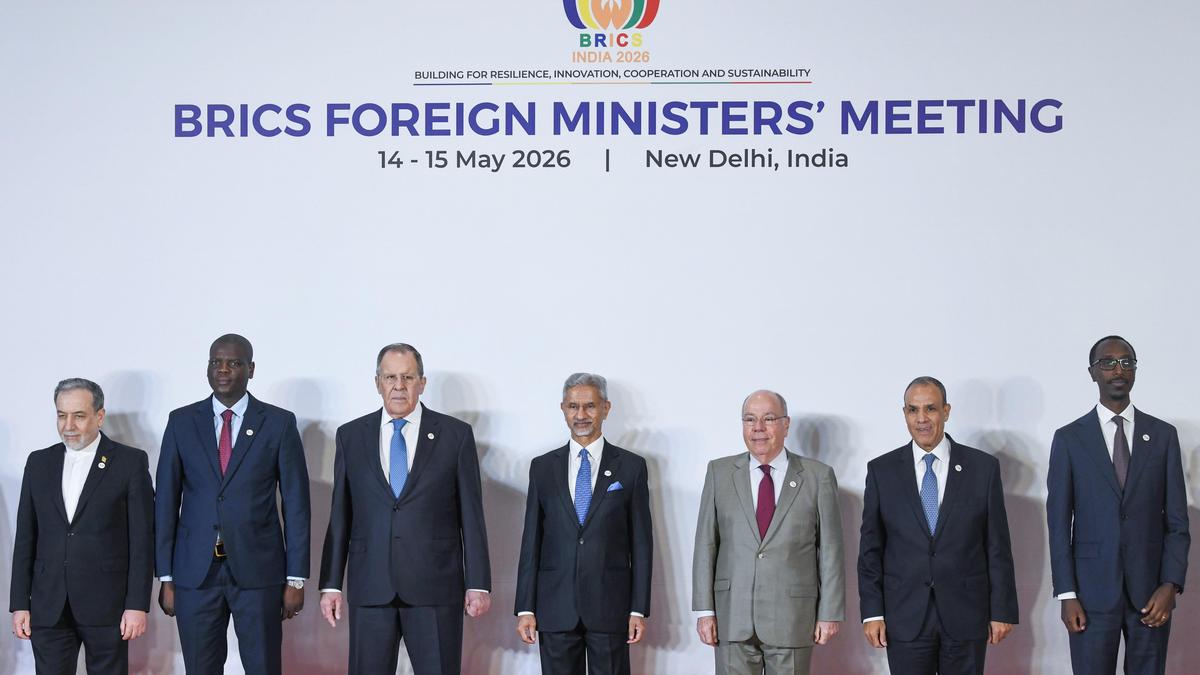
# External Affairs Minister Jaishankar Critiques Unilateral Sanctions Amidst U.S. Russian Oil Waiver Expiration
In a world increasingly interlinked by trade and diplomacy, the imposition of unilateral sanctions by one nation against another has sparked heated debates. Recently, India’s External Affairs Minister, S. Jaishankar, voiced strong criticisms regarding these sanctions, particularly in the context of the impending expiration of the United States’ waiver on Russian oil imports. Jaishankar’s remarks come at a pivotal moment, as nations navigate the complexities of energy security, economic stability, and international relations.
## Understanding the Context: The U.S. Waiver on Russian Oil
The U.S. waiver on Russian oil, which allowed certain countries, including India, to import oil from Russia despite sanctions, is set to expire soon. This waiver was part of a broader strategy to counteract Russia's actions in Ukraine and to limit its financial resources. As the deadline approaches, countries reliant on Russian energy, particularly India, are facing tough decisions.
The sanctions imposed by the U.S. and its allies are designed to weaken Russia's economy and pressure the Kremlin to change its course. However, this approach has raised concerns about the implications for countries like India, which have historically sought to maintain strong energy ties with Russia.
## Jaishankar’s Standpoint on Unilateral Sanctions
In a recent statement, Jaishankar articulated India’s position on unilateral sanctions, emphasizing the need for a multilateral approach to global issues. He stated, "Unilateral sanctions often create more problems than solutions. They affect global supply chains and have a disproportionate impact on developing nations." His comments reflect a growing sentiment among several countries that unilateral actions can lead to unintended consequences, particularly for those not directly involved in the geopolitical conflict.
Jaishankar’s critique is particularly relevant as India grapples with the potential fallout from the expiration of the waiver. The country has significantly increased its imports of Russian oil in recent months, taking advantage of discounted prices amid the ongoing conflict in Ukraine. This reliance raises questions about India's energy security and its diplomatic stance in a rapidly changing global landscape.
## The Economic Implications for India
The expiration of the U.S. waiver poses significant economic implications for India. As one of the world's largest consumers of oil, India has been strategically diversifying its energy sources to ensure stability and affordability. The prospect of losing access to relatively inexpensive Russian oil could lead to increased fuel prices domestically, affecting everything from transportation costs to inflation rates.
Moreover, India’s energy strategy has been to balance its needs with its international commitments. As countries around the world implement green energy initiatives, India is also aiming to transition towards renewable energy. However, the immediate need for energy security makes the reliance on Russian oil a complex issue. Jaishankar's remarks highlight the delicate balance India must maintain between meeting its energy demands and navigating international pressures.
## The Geopolitical Landscape
The geopolitical ramifications of unilateral sanctions extend beyond just energy imports. Countries that rely on Russian oil, such as India, find themselves in a precarious position, often caught between the demands of Western nations and their historical ties with Russia. Jaishankar’s statements underscore the need for a collaborative approach to address global challenges rather than imposing one-sided measures that can exacerbate tensions.
India's foreign policy has traditionally emphasized non-alignment, seeking to foster relationships with multiple nations rather than aligning strictly with one bloc. As such, Jaishankar's remarks resonate with India's long-standing diplomatic ethos, advocating for dialogue and cooperation over sanctions and isolation.
## The Way Forward: A Call for Multilateral Diplomacy
As the expiration of the U.S. waiver looms, Jaishankar’s call for multilateralism is a plea for collaborative problem-solving. He advocates for a diplomatic approach that considers the diverse needs and perspectives of all nations involved. The current global energy landscape is fraught with challenges, and a concerted effort to address these issues collectively could lead to more sustainable solutions.
India is poised to play a critical role in shaping the future of global energy policies, especially as it continues to grow as an economic powerhouse. The country’s strategic decisions regarding energy imports will not only influence its economy but also its standing in the international community.
## Conclusion: Navigating the Future of Energy Diplomacy
As External Affairs Minister S. Jaishankar critiques unilateral sanctions, he sheds light on the challenges faced by nations like India in the current geopolitical climate. The impending expiration of the U.S. waiver on Russian oil imports presents both a challenge and an opportunity for India to reaffirm its commitment to a balanced and multilateral approach to foreign relations.
In a world where energy security and economic stability are paramount, Jaishankar’s call for cooperation over confrontation is a reminder of the importance of diplomatic engagement. The future of energy diplomacy will depend on the ability of nations to work together, fostering relationships that transcend borders and prioritize shared goals. As India navigates these complex waters, its decisions will undoubtedly reverberate across the globe, shaping the landscape of international relations for years to come.