
Final US-Iran truce deal close? Pakistan Army chief Asim Munir may head to Tehran soon: Report
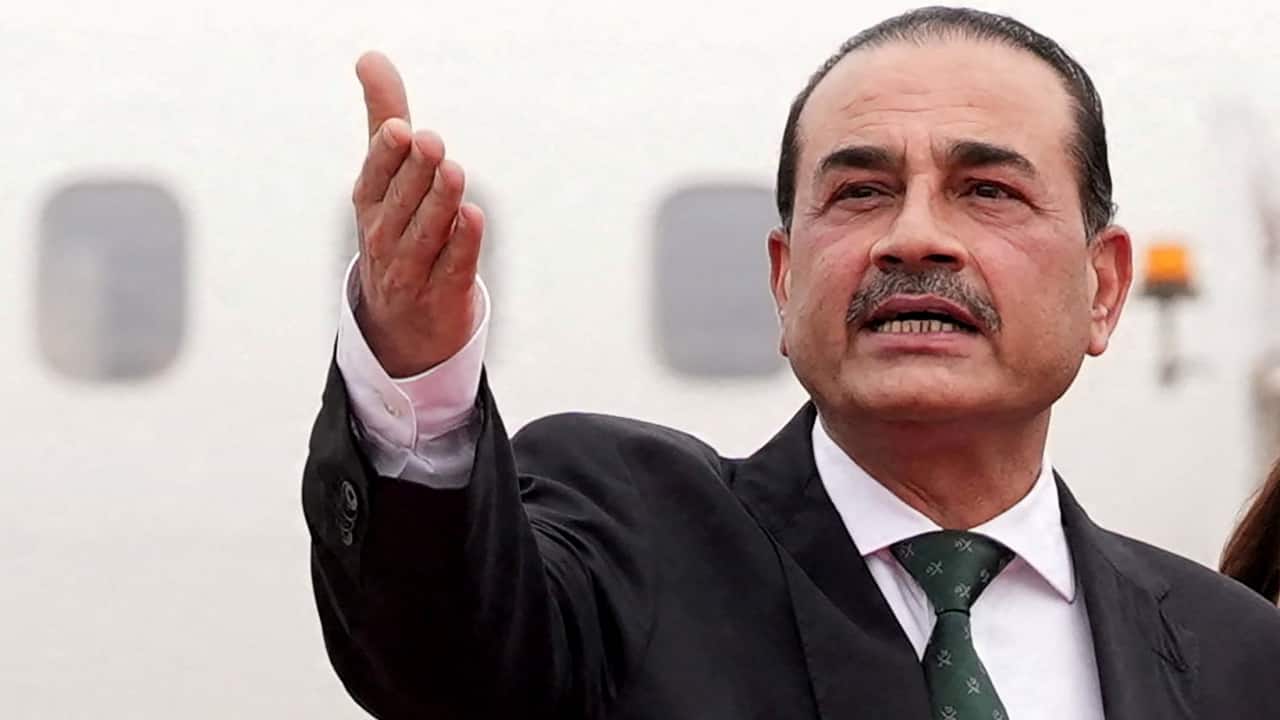
# Final US-Iran Truce Deal on the Horizon? Pakistani Army Chief Asim Munir Set to Visit Tehran
In a world where geopolitical tensions often dominate headlines, the prospect of a truce between powerful nations can feel like a breath of fresh air. Recent reports indicate that a pivotal moment may be on the horizon as the Pakistani Army Chief, General Asim Munir, is expected to head to Tehran shortly to discuss a potential final deal in the ongoing ceasefire between the United States and Iran. This comes in the wake of a fragile peace that has held since April, following weeks of intense conflict across West Asia. As nations navigate the complex landscape of diplomacy, the stakes have never been higher.
## The Context of the Ceasefire
The ceasefire between the US and Iran emerged from a tumultuous period marked by escalating tensions, military skirmishes, and diplomatic standoffs. Since early 2023, the region has experienced significant unrest, leading to concerns about broader conflict that could engulf neighboring countries. The fragile peace established in April has been a crucial step in easing these tensions, but it remains precarious.
General Asim Munir's potential visit to Tehran signals a significant diplomatic engagement that could influence the future of US-Iran relations. Pakistan, having historically played a mediating role in regional conflicts, could serve as a bridge between these two nations, fostering dialogue that might lead to lasting peace.
## The Role of Pakistan in Regional Diplomacy
Pakistan's strategic position in South Asia, along with its relationships with both Iran and the United States, places it in a unique position to facilitate discussions. The country has often acted as a mediator in regional disputes, leveraging its connections to promote stability. General Munir's visit to Tehran could be a critical step toward fostering a more collaborative environment among the involved parties.
The Importance of Mutual Understanding
For any truce to evolve into a sustainable agreement, it is essential for the involved nations to engage in meaningful dialogue. General Munir's visit could open channels of communication that have previously been strained. The Pakistani Army Chief's firsthand experience in handling complex military and political issues will be invaluable as he navigates the discussions in Tehran.
The importance of mutual understanding cannot be overstated. Both the United States and Iran have their own national interests, and finding common ground is crucial to achieving a lasting resolution. General Munir's role may be instrumental in facilitating this dialogue, helping both parties to empathize with each other's perspectives.
## The Geopolitical Implications
The implications of a successful truce between the US and Iran extend far beyond their bilateral relations. In a region that is often marred by conflict, a stable relationship between these two powers could have a positive ripple effect on neighboring countries. It could reduce tensions in areas like Iraq, Syria, and Yemen, where Iranian influence is significant, and where US interests are deeply entrenched.
Regional Stability and Economic Impact
A lasting resolution could pave the way for increased economic cooperation in the region. As nations work to rebuild after years of conflict, the potential for trade and investment could lead to economic prosperity. Stability could also encourage foreign investment, which has been stifled by ongoing tensions and conflict.
Furthermore, a successful truce might lead to collaborative efforts in addressing shared challenges such as terrorism, climate change, and public health crises. The US and Iran, despite their differences, face common threats that require joint action, and a peaceful relationship could foster the necessary collaboration to tackle these issues.
## Challenges Ahead
While the prospect of a final truce deal is encouraging, numerous challenges remain. The history of distrust between the US and Iran is deep-rooted, and any agreements made will require careful monitoring and enforcement. Skepticism on both sides could undermine progress, and hardliners may resist any concessions.
The Role of International Community
The international community will play a crucial role in supporting the peace process. Other nations, as well as international organizations, must encourage dialogue and provide platforms for negotiation. The involvement of global powers could lend credibility to the process and offer assurances that any agreement will be respected.
## The Path Forward
As General Asim Munir prepares for his trip to Tehran, the world watches closely. The potential for a final truce between the US and Iran holds significant implications for regional and global stability. The outcome of this diplomatic engagement could shape the course of history in West Asia.
Building a Framework for Peace
For a successful outcome, it is essential to establish a clear framework for peace. This framework should address key issues such as nuclear proliferation, military engagements, and economic sanctions. Establishing mutual respect and understanding will be vital in building trust between the parties.
Additionally, it is crucial to involve various stakeholders in the peace process. Engaging civil society, regional organizations, and other countries can contribute to a more inclusive approach that considers diverse perspectives and interests.
## Conclusion
As the situation unfolds, the possibility of a final US-Iran truce is a beacon of hope for a region that has long endured conflict and instability. General Asim Munir's impending visit to Tehran represents a significant opportunity for dialogue and reconciliation. While challenges remain, the potential for a collaborative approach to diplomacy could lead to a more stable and prosperous future for West Asia.
The world eagerly anticipates the outcomes of these discussions, recognizing that peace is not merely the absence of conflict but the presence of understanding, cooperation, and mutual respect. As nations come together to negotiate a lasting resolution, the hope for a brighter future rests on the shoulders of leaders willing to engage in constructive dialogue for the greater good.