
Five deaths, no arrests as fresh violence grips Manipur
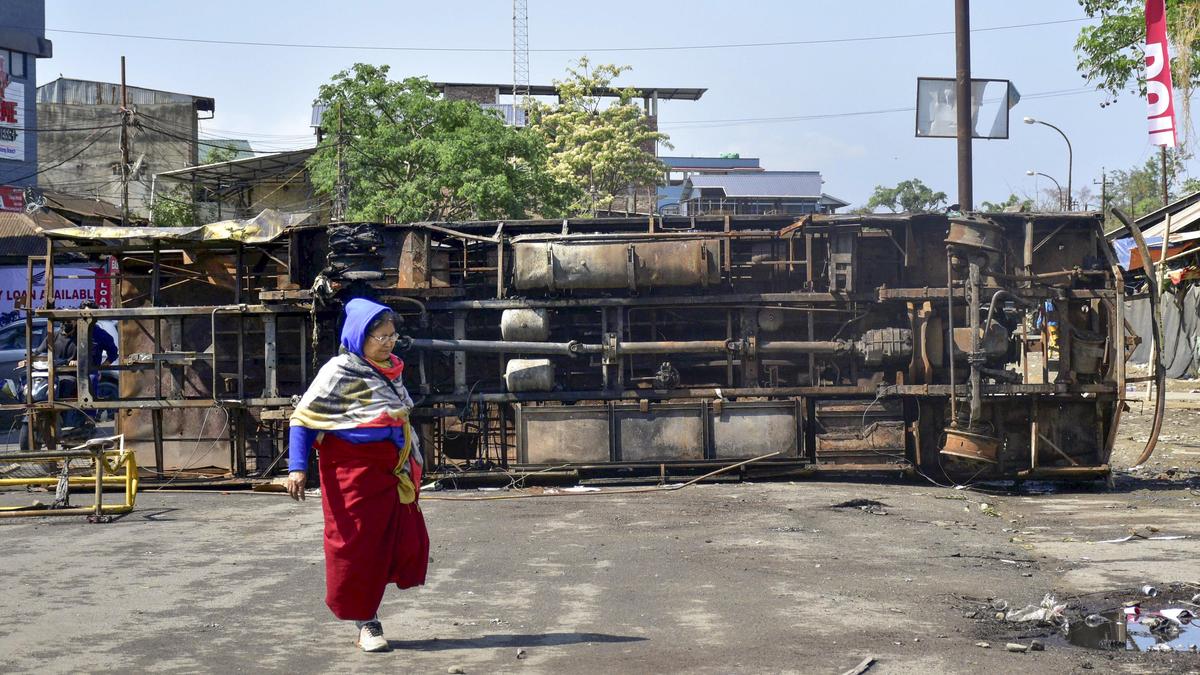
Five Deaths, No Arrests as Fresh Violence Grips Manipur
In a shocking turn of events, the northeastern Indian state of Manipur is once again engulfed in violence, resulting in the tragic deaths of five individuals. This latest wave of unrest has ignited widespread protests among residents, who are demanding justice and calling for accountability from authorities. As the situation unfolds, the local community is grappling with fear and anger, while officials face increasing pressure to address the escalating conflict.
The violence erupted late last week in the Churachandpur district, a region already marred by ethnic tensions and clashes. Armed groups reportedly engaged in a series of violent confrontations, leading to the fatalities and leaving many others injured. Eyewitness accounts describe scenes of chaos, with gunfire ringing out and properties set ablaze. Amidst the turmoil, local leaders and community members have expressed their outrage, lamenting the loss of life and the breakdown of law and order.
The identities of the deceased have sparked further unrest, as community members allege that they were targeted by specific groups linked to the ongoing ethnic strife. “We know who the attackers are, and we demand justice for our loved ones,” said a local resident who wished to remain anonymous due to safety concerns. “The government must take immediate action to protect us and hold those responsible accountable.” This sentiment echoes throughout the community, where fear and mistrust have deepened in the wake of the violence.
In response to the unrest, security forces have been deployed to the area, but their presence has done little to quell the unrest. Protesters have taken to the streets, chanting slogans and demanding justice, while calling on the government to take a firmer stance against the violence. “We want peace, but we also want our voices to be heard,” added another protestor, holding a placard that read: “Justice for the Innocent.” The demonstrations have garnered attention from various civil rights organizations, which are now voicing their concerns over the safety and security of the residents.
Despite the mounting pressure, officials have yet to make any arrests in connection to the recent violence. This has raised questions about the effectiveness of law enforcement in the region and has led to accusations of governmental negligence. “How can we feel safe when those who commit these heinous acts roam freely?” asked a community leader during a press conference. “We need more than just promises; we need action.”
The state government, led by Chief Minister N. Biren Singh, has condemned the violence and called for calm. In a recent statement, Singh urged all parties to engage in dialogue to resolve the underlying issues fueling the conflict. “We are committed to restoring peace in Manipur and ensuring justice for all,” he said. However, many residents remain skeptical of these assurances, fearing that without tangible actions, the cycle of violence will continue unabated.
As the situation develops, local leaders are urging the government to establish a transparent investigation into the events that transpired. They stress the importance of identifying the perpetrators and ensuring that justice is served, arguing that without accountability, the potential for further violence remains high. “We need to break this cycle,” said one community activist. “If we don’t address the root causes of the violence, we will continue to see more lives lost.”
The ongoing unrest in Manipur is a stark reminder of the region’s complex socio-political landscape, where ethnic tensions often lead to violent confrontations. The tragic deaths of these five individuals have reignited discussions about the need for reconciliation and sustainable peace in the area. Activists are calling for a comprehensive approach that addresses the grievances of all communities involved, emphasizing the importance of dialogue and understanding.
As protests continue and tensions remain high, the eyes of the nation are on Manipur. The local community is united in its demand for justice, and the government’s response in the coming days will be crucial in determining the trajectory of the situation. Will authorities take decisive action to quell the unrest and restore peace, or will the cycle of violence persist, claiming more innocent lives?
In conclusion, the recent violence in Manipur serves as a tragic illustration of the challenges facing the region. With five lives lost and no arrests made, the demand for justice is more pressing than ever. As protests unfold and community members rally for accountability, the call for peace and reconciliation grows louder. The time for action is now—both from the government and the community, as they seek to bridge divides and foster a more harmonious future in Manipur. The hope remains that, together, they can turn this moment of tragedy into a catalyst for lasting change.