
From ramen to gobi manchurian: High-sodium foods linked to rising BP in youngsters, say doctors in Bengaluru
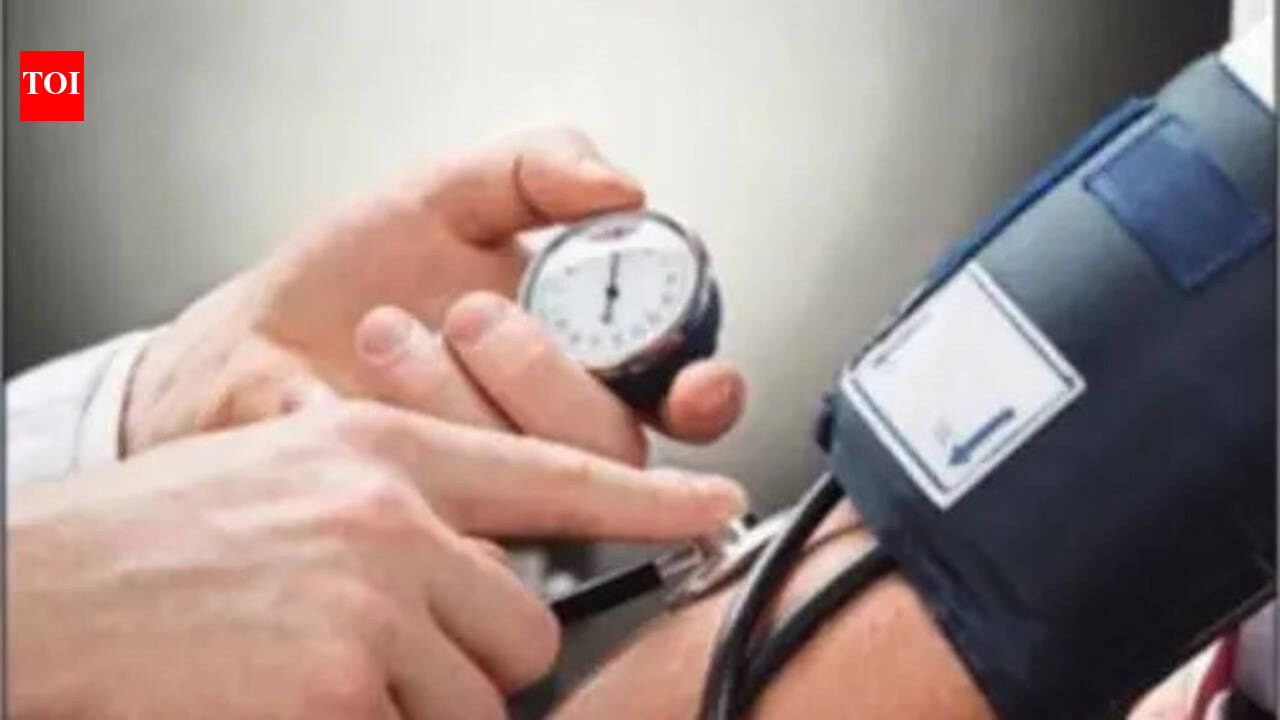
# Rising Blood Pressure in Youth: The Hidden Dangers of High-Sodium Foods
In recent years, the health of younger generations has come under increased scrutiny, particularly concerning rising blood pressure (BP) levels. Bengaluru's medical community is sounding the alarm as they observe a worrying trend: an alarming number of youngsters are experiencing hypertension, often linked to their diets. This World Hypertension Day, healthcare professionals are urging parents and guardians to be vigilant about the high-sodium foods that have become staples in the diets of many adolescents. From popular snacks like ramen and chips to street food favorites such as gobi manchurian, these foods may be more harmful than one might think.
## Understanding Hypertension: A Growing Concern
Hypertension, commonly referred to as high blood pressure, is a condition that can lead to severe health complications, including heart disease, stroke, and kidney problems. While high blood pressure has traditionally been viewed as an issue primarily affecting older adults, doctors in Bengaluru report a significant increase in cases among young people.
Several factors contribute to this alarming trend, but diet plays a crucial role. High-sodium foods can lead to increased blood pressure, and many young people are consuming these foods without realizing the potential consequences. As health experts gather to discuss this pressing issue, they emphasize the importance of education and proactive measures to combat hypertension in the youth population.
## The Role of Sodium in Our Diet
Sodium is an essential mineral that our bodies need in small amounts to function properly. It helps regulate fluid balance and is crucial for muscle and nerve function. However, excessive sodium intake can disrupt this balance and lead to health issues, particularly hypertension.
The World Health Organization (WHO) recommends that adults consume less than 2,000 mg of sodium per day. For children and adolescents, the recommendation is even lower. Unfortunately, many young people exceed these limits, often unknowingly, due to the prevalence of sodium in processed and fast foods.
## Popular High-Sodium Foods Among Youth
In Bengaluru, certain foods have emerged as favorites among the youth, despite their high sodium content.
Ramen
Instant ramen noodles have become a go-to meal for many young individuals, particularly students. While convenient, these noodles are often laden with sodium, with a single serving containing up to 1,800 mg. This high sodium content can quickly contribute to elevated blood pressure, especially when consumed regularly.
Gobi Manchurian
This popular Indo-Chinese dish, made from cauliflower and typically fried and coated with a spicy sauce, is another high-sodium culprit. Gobi manchurian is often enjoyed as a snack or appetizer, and its savory flavor can make it easy to consume in large quantities. Unfortunately, the sodium content can be significant, especially when prepared with store-bought sauces.
Chips and Processed Snacks
Chips, crackers, and other processed snacks are staples in many young people's diets. These foods are often high in sodium and can contribute to unhealthy eating habits. The allure of their crunch and flavor makes them difficult to resist, but their impact on blood pressure should not be underestimated.
## The Health Risks of High Sodium Intake
The connection between high sodium intake and hypertension is well-established, but the risks extend beyond elevated blood pressure. Consistently high sodium consumption can lead to other health complications, including:
- **Heart Disease**: Over time, high blood pressure can damage arteries and lead to heart disease, stroke, and other cardiovascular issues.
- **Kidney Damage**: The kidneys play a vital role in regulating blood pressure. Excess sodium can strain these organs, potentially leading to kidney disease.
- **Bone Health Issues**: High sodium intake can lead to calcium loss, which may affect bone health, particularly in adolescents who are still developing.
## Recognizing the Signs of Hypertension in Youth
Given the rising incidence of hypertension among young people, it is crucial for parents and guardians to be aware of the signs and symptoms. Some common indicators of high blood pressure in children and adolescents include:
- Frequent headaches
- Nosebleeds
- Fatigue
- Dizziness
- Vision problems
If you notice any of these symptoms in your child, it is essential to consult a healthcare professional for evaluation and potential testing.
## The Importance of Regular Health Check-ups
As part of a proactive approach to combating hypertension, doctors in Bengaluru recommend that children and adolescents undergo regular health check-ups. Parents should ensure that their children are tested for blood pressure at least once a year, especially if there are risk factors present, such as obesity or a family history of hypertension.
Early detection is key to managing blood pressure levels effectively and preventing long-term health issues.
## Strategies to Reduce Sodium Intake
Fortunately, there are several strategies parents and guardians can implement to help their children reduce sodium intake and promote healthier eating habits:
Educate About Food Choices
Teaching children about nutrition and the importance of a balanced diet is crucial. Encourage them to read food labels and understand the sodium content of the items they consume.
Opt for Fresh Ingredients
Whenever possible, prioritize fresh ingredients over processed foods. Cooking meals at home using whole foods allows for better control over sodium levels and overall nutrition.
Explore Flavor Alternatives
Instead of relying on salt and high-sodium sauces for flavor, experiment with herbs, spices, and other flavoring agents. This not only enhances the taste of meals but also promotes healthier eating habits.
Limit Fast Food and Processed Snacks
Encourage children to limit their consumption of fast food and processed snacks. Preparing healthy snacks at home, such as fruits, vegetables, and whole grains, can provide satisfying alternatives.
## Conclusion: A Call to Action
As World Hypertension Day shines a spotlight on the growing concern of high blood pressure among youngsters, it is essential for families, schools, and communities to come together in addressing this issue. By understanding the impact of high-sodium foods, recognizing the signs of hypertension, and adopting healthier dietary habits, we can help ensure the well-being of future generations.
In Bengaluru, healthcare professionals are urging parents to take action—cut hidden salt from their children’s diets, encourage regular health check-ups, and foster an awareness of nutrition. Together, we can combat the rising tide of hypertension and promote a healthier, happier tomorrow for our youth.