
From Ukraine’s robot war to India’s LoC: How unmanned ground vehicles are changing combat
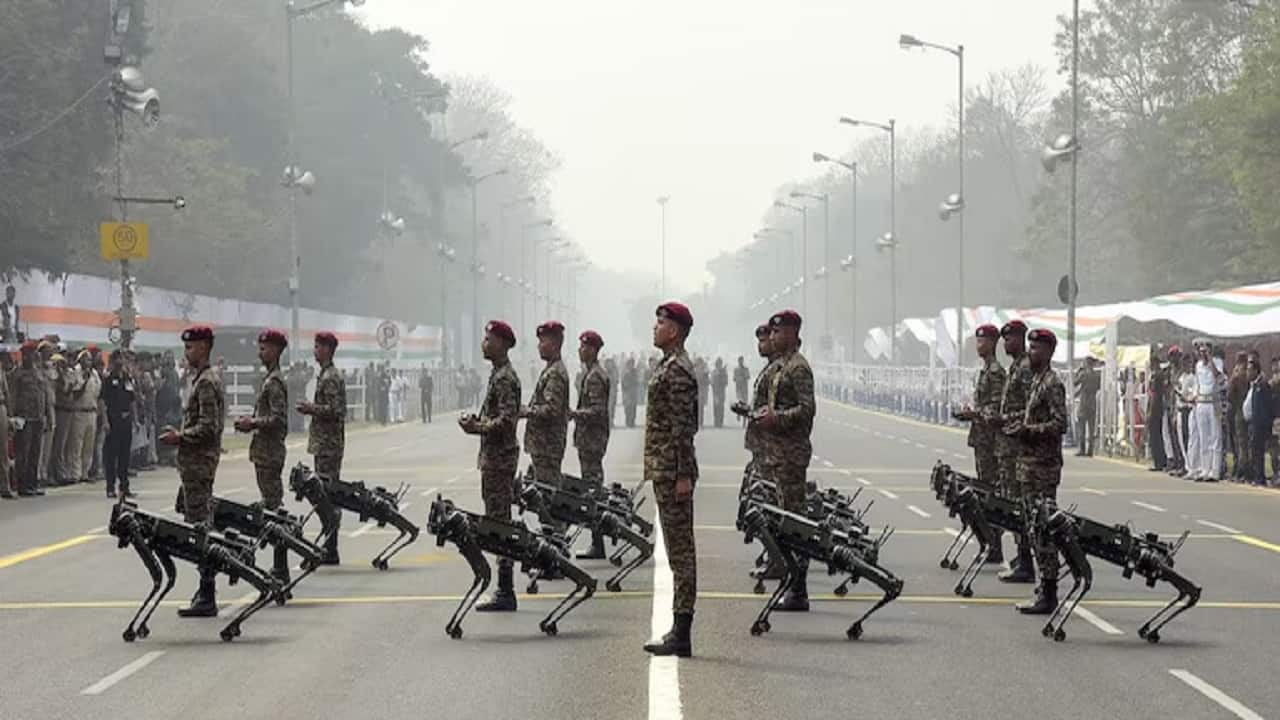
# Unmanned Ground Vehicles: Revolutionizing Modern Warfare from Ukraine to India
In an era where technology and warfare are increasingly intertwined, unmanned ground vehicles (UGVs) have emerged as formidable assets on the battlefield. From the ravaged landscapes of Ukraine to the tense Line of Control (LoC) between India and Pakistan, these advanced robotic systems are reshaping combat dynamics, performing tasks that were once perilous for human soldiers. As nations continue to innovate and adapt, the role of UGVs in modern warfare is becoming increasingly vital. This article delves into the multifaceted applications of UGVs, the implications for military strategy, and the future of warfare.
## The Rise of Unmanned Ground Vehicles
Unmanned ground vehicles have evolved significantly over the past few decades. Initially designed for reconnaissance, these machines have expanded their roles to include transporting supplies, evacuating wounded soldiers, and even executing offensive operations. The ongoing conflict in Ukraine has showcased the potential of UGVs, illustrating how they can be used to minimize risks to human life while maximizing tactical efficiency.
Combat Support and Logistics
One of the primary advantages of UGVs is their ability to carry ammunition and other supplies to frontline troops without putting soldiers at risk. In Ukraine, UGVs have been deployed to deliver crucial logistical support, ensuring that soldiers have access to necessary resources even in the heat of battle. This capability is vital in a war where supply lines are often targeted and disrupted.
Moreover, UGVs can also assist in the evacuation of wounded personnel. Equipped with advanced medical kits and sensors, these vehicles can transport injured soldiers to safety, significantly increasing their chances of survival. This dual function—acting as both supply carriers and medics—demonstrates the versatility of unmanned ground vehicles in modern warfare.
Reconnaissance and Intelligence Gathering
UGVs are increasingly being utilized for reconnaissance missions, providing real-time intelligence without exposing soldiers to danger. In the dense urban landscapes of Ukraine, for example, these vehicles can navigate through hazardous environments, gathering crucial data about enemy positions and movements. Equipped with high-definition cameras and advanced sensor technology, UGVs can relay information back to command centers, allowing for informed decision-making.
Furthermore, the integration of artificial intelligence into UGV systems enhances their reconnaissance capabilities. These vehicles can analyze data independently, identifying patterns and potential threats, thereby increasing situational awareness on the battlefield. The ability to deploy UGVs for intelligence gathering significantly reduces the risks associated with traditional reconnaissance missions, where human lives are often on the line.
## The Tactical Advantage of UGVs
As nations invest in advanced military technologies, UGVs provide a tactical advantage that can shift the balance of power in conflict zones. The ability to conduct operations remotely and autonomously allows military leaders to execute strategies with greater precision and lower casualties.
The Suicide Bombing Role
One of the more controversial applications of UGVs is their use in offensive operations, including suicide missions. In certain conflicts, these vehicles have been converted into unmanned explosive devices, capable of targeting enemy installations with lethal precision. This method not only minimizes the risk to human soldiers but also allows for highly coordinated attacks on strategic assets.
While the ethical implications of using UGVs in this manner are debated, their effectiveness cannot be denied. In the chaotic environment of modern warfare, the ability to deploy unmanned systems for high-stakes missions represents a significant evolution in military strategy.
The Role of UGVs in the India-Pakistan Conflict
The ongoing tensions between India and Pakistan, particularly along the Line of Control (LoC), highlight another critical application of UGVs. Both nations have been investing in advanced military technologies, including robotic systems designed for surveillance and combat.
In this contested region, UGVs can operate in challenging terrains, providing vital intelligence and support to ground troops. Their ability to traverse difficult landscapes while remaining undetected makes them invaluable assets for both reconnaissance and direct engagement. As military doctrines evolve to incorporate these technologies, the nature of conflict in this region may change dramatically.
## Challenges and Limitations of Unmanned Ground Vehicles
Despite the many advantages of UGVs, there are significant challenges and limitations that must be addressed. One of the primary concerns is the vulnerability of these vehicles to hacking and cyber attacks. As UGVs become more interconnected and reliant on software, the potential for adversaries to disrupt their operations increases.
Additionally, the reliance on UGVs raises questions about the future of military personnel. As robotic systems take on more tasks, the role of human soldiers may shift, leading to concerns about job displacement within the armed forces. Balancing the integration of technology with the need for human oversight will be crucial as militaries navigate this new landscape.
## The Future of Warfare: A Human-Robot Partnership
As unmanned ground vehicles continue to evolve, the future of warfare appears to be a partnership between humans and machines. The integration of artificial intelligence and machine learning into UGV systems is likely to enhance their capabilities even further, allowing for autonomous decision-making and complex mission execution.
However, the human element will remain essential. Military strategists must ensure that UGVs complement human soldiers rather than replace them entirely. The effectiveness of modern warfare will depend on the ability to harness technology while maintaining the strategic and ethical considerations that govern military operations.
## Conclusion
Unmanned ground vehicles are undeniably transforming the landscape of modern warfare, with applications ranging from logistics and reconnaissance to offensive operations. As evidenced by the ongoing conflicts in Ukraine and along the India-Pakistan LoC, these robotic systems are reshaping military strategies and redefining the roles of soldiers on the frontline.
While the advantages of UGVs are evident, challenges such as cybersecurity threats and the ethical implications of their use must be carefully considered. As nations continue to innovate, the future of warfare will likely see a blend of human and robotic capabilities, creating a new paradigm in the way conflicts are fought.
In this rapidly changing environment, the importance of UGVs cannot be overstated. Their ability to enhance operational efficiency, reduce risks to human life, and provide critical intelligence is poised to redefine military engagements for years to come. As we look to the future, it is clear that unmanned ground vehicles will play an integral role in the evolution of combat—making the battlefield safer and more strategic than ever before.