
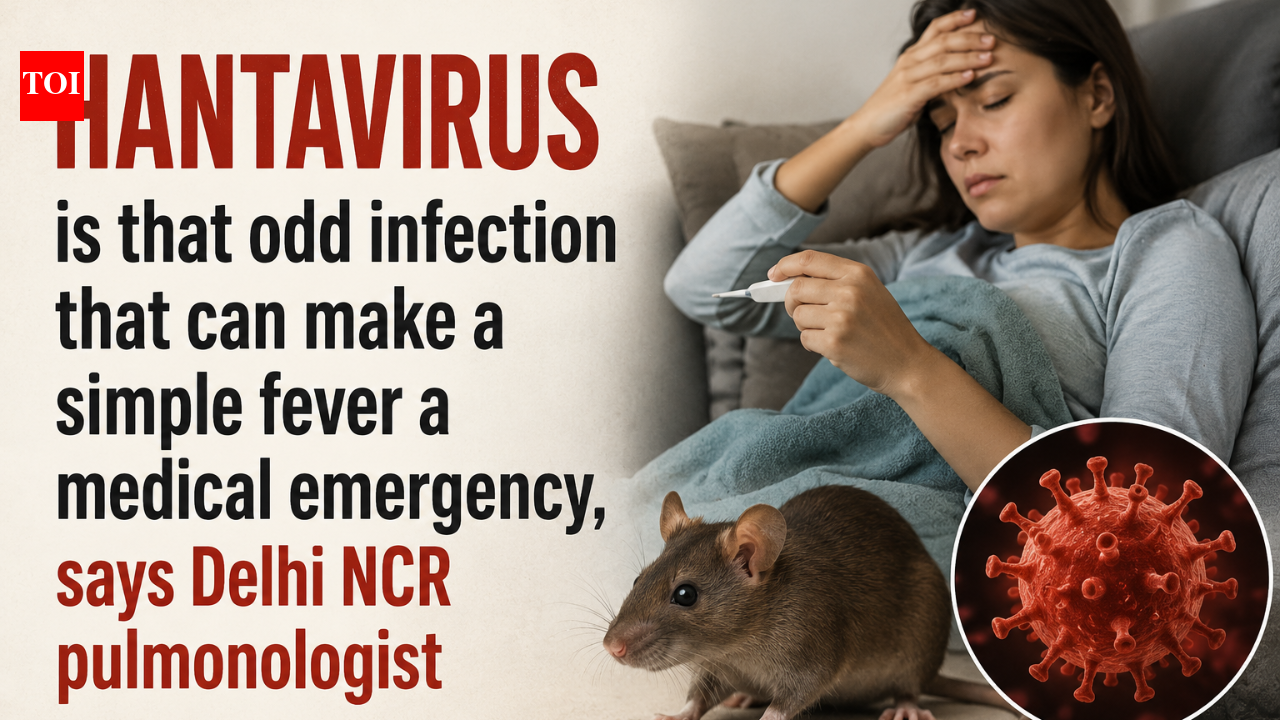
Hantavirus is that odd infection that can make a simple fever a medical emergency, says Delhi NCR pulmonologist
# Hantavirus: The Silent Threat Behind Common Symptoms
Introduction
In the realm of infectious diseases, certain viruses tend to dominate headlines, capturing public attention due to their prevalence or dramatic outbreaks. Hantavirus, on the other hand, remains largely in the shadows, seldom discussed despite its potentially grave consequences. This elusive infection can transform what starts as a simple fever into a medical emergency, often catching individuals off guard. As people across the Delhi NCR region navigate the changing seasons, awareness of this rare but serious infection is more critical than ever. Dr. Pradeep Bajad, a Senior Consultant Pulmonologist and Sleep Medicine specialist at Amrita Hospital in Faridabad, sheds light on this often-overlooked virus and its alarming implications.
## Understanding Hantavirus: What You Need to Know
Hantavirus is classified as a zoonotic disease, meaning it is transmitted from animals to humans. The primary carriers of the virus are rodents, particularly deer mice, which shed the virus in their urine, droppings, and saliva. Humans typically contract Hantavirus through direct contact with infected rodents or indirectly through inhalation of aerosolized virus particles.
Symptoms: The Early Warning Signs
One of the most concerning aspects of Hantavirus infection is that its symptoms can easily be mistaken for those of more common illnesses. Initial signs often include fever, body aches, and fatigue – symptoms that are frequently associated with dengue, swine flu, or COVID-19. According to Dr. Bajad, "When fever and body ache starts, most people are worried about dengue, swine flu, or Covid. Hantavirus, however, is a rare but potentially deadly infection that can quietly damage the lungs within days."
As the infection progresses, individuals may experience shortness of breath, coughing, and fluid accumulation in the lungs, leading to a condition known as Hantavirus Pulmonary Syndrome (HPS). This severe respiratory disease requires immediate medical attention, underscoring the importance of recognizing the early signs.
The Diagnostic Challenge
Diagnosing Hantavirus can be a daunting task for healthcare professionals, primarily due to its rarity and the overlap of symptoms with other respiratory illnesses. Standard diagnostic tests such as serology or PCR (polymerase chain reaction) can help confirm the presence of the virus, but these tests are not routinely performed unless there is a strong suspicion of Hantavirus infection.
Dr. Bajad emphasizes the need for increased awareness among both the public and healthcare providers. "Many patients present with respiratory symptoms, and without a clear history of exposure to rodents or relevant environmental factors, Hantavirus may not be considered, leading to delayed diagnosis and treatment," he warns.
## Risk Factors: Who is Most Vulnerable?
While Hantavirus can affect anyone, certain groups are at an elevated risk. Individuals who live in rural areas or work in environments where rodent exposure is common, such as farms or construction sites, are more susceptible to contracting the virus. Additionally, those with compromised immune systems may face more severe outcomes if infected.
Seasonal Trends and Disease Surveillance
Interestingly, Hantavirus infections tend to peak during certain seasons, particularly in the spring and summer months when rodent populations are more active. Public health officials monitor these trends closely, as increased rodent activity can lead to a higher incidence of human infections. Awareness campaigns aimed at educating the public about rodent control and hygiene practices can play a significant role in preventing outbreaks.
## Prevention: Taking Action Against Hantavirus
Given the potential severity of Hantavirus, prevention is crucial. Here are some effective strategies individuals can adopt:
Rodent Control
- **Seal Entry Points**: Ensure that homes and workplaces are rodent-proof by sealing gaps and cracks where rodents may enter.
- **Eliminate Food Sources**: Store food in rodent-proof containers and clean up spills promptly to avoid attracting rodents.
- **Proper Waste Management**: Dispose of garbage and food waste in sealed containers to minimize access for rodents.
Personal Hygiene
- **Avoid Contact with Rodents**: Do not handle wild rodents or their droppings. If contact is necessary, wear gloves and a mask to reduce the risk of exposure.
- **Ventilation**: When cleaning areas that may be contaminated with rodent droppings or urine, ensure proper ventilation and use appropriate protective gear.
Public Awareness
Healthcare providers and community leaders must work together to disseminate information about Hantavirus, its symptoms, and prevention methods. Educational initiatives can empower individuals to recognize the signs of infection and seek medical help promptly.
## Treatment: What to Do in Case of Infection
If you suspect that you or someone you know may have contracted Hantavirus, it is vital to seek medical attention immediately. While there is no specific antiviral treatment for Hantavirus, early intervention can significantly improve outcomes. Supportive care, including supplemental oxygen and fluid management, is often necessary for those with severe respiratory symptoms.
Dr. Bajad highlights the importance of timely diagnosis and intervention. "The sooner we can identify Hantavirus infection, the better the chances are for recovery," he states. "Awareness and education are key to ensuring that patients receive the care they need."
Conclusion: The Importance of Awareness
As the world grapples with various infectious diseases, Hantavirus remains a silent threat that warrants attention. Its ability to mimic common illnesses can lead to misdiagnosis and delayed treatment, making awareness crucial for both the public and healthcare professionals. By understanding the transmission, symptoms, and prevention strategies associated with Hantavirus, individuals can take proactive measures to protect themselves and their communities.
In a landscape where many viral infections dominate the conversation, it is essential not to overlook the potential dangers posed by Hantavirus. As Dr. Bajad advises, "Stay informed, stay vigilant, and do not hesitate to seek medical advice if you experience unusual symptoms following potential rodent exposure." By fostering a culture of awareness and preparedness, we can mitigate the impact of this rare but dangerous virus and safeguard public health in the Delhi NCR region and beyond.