
IIT Gandhinagar’s hydrogel breakthrough simplifies colon tumour surgery
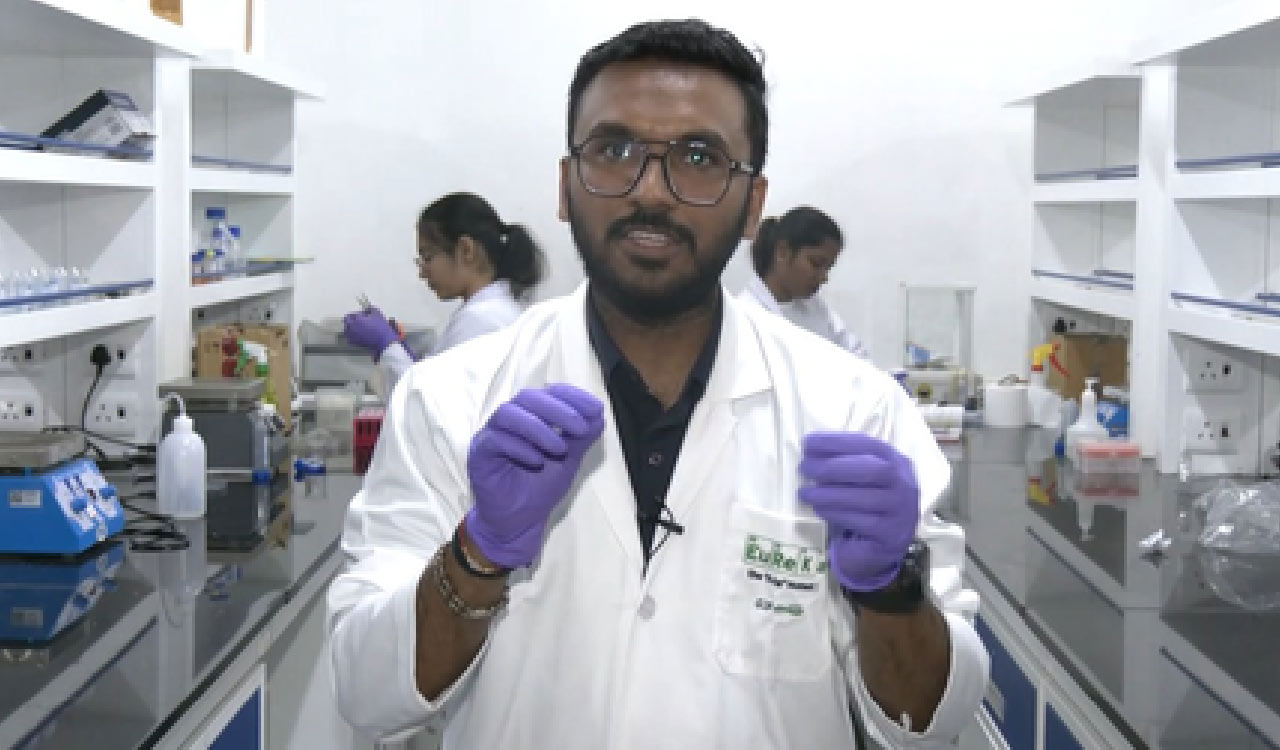
IIT Gandhinagar’s Hydrogel Breakthrough Simplifies Colon Tumour Surgery
In a remarkable advancement for the medical field, researchers at the Indian Institute of Technology (IIT) Gandhinagar have unveiled an innovative hydrogel-based technology aimed at streamlining colon tumour surgeries. This cutting-edge solution promises to enhance the precision of endoscopic procedures, offering a stable cushion beneath tumours that can significantly improve patient outcomes. As the medical community eagerly anticipates the next steps, including clinical trials, this breakthrough could represent a transformative leap in the fight against colon cancer.
An Innovative Solution to a Complex Problem
Colon cancer remains one of the leading causes of cancer-related deaths globally, with millions diagnosed each year. Surgical intervention is often the primary treatment method, especially for localized tumours. However, the challenges of navigating through the complex anatomy of the colon during surgery can complicate the removal process. Surgeons frequently encounter difficulties in distinguishing between healthy tissue and tumours, which can lead to incomplete resections and increased risk of recurrence.
The hydrogel technology developed at IIT Gandhinagar offers a novel solution to this pressing issue. By providing a pliable yet stable cushion beneath tumours, the hydrogel allows surgeons to better visualize and access the affected areas during endoscopic procedures. This improved visibility is crucial for ensuring that the entire tumour is excised while preserving surrounding healthy tissue, ultimately enhancing surgical success rates.
How the Hydrogel Works
The hydrogel is composed of biocompatible materials that can be safely introduced into the colon. Once injected, it expands and forms a gel-like layer, creating a buffer between the tumour and surrounding tissues. This cushioning effect not only aids in distinguishing the tumour from healthy structures but also minimizes the risk of damaging vital organs during the surgical process.
Furthermore, the hydrogel is designed to be easily absorbed by the body after the procedure, eliminating concerns about long-term foreign material presence. This feature is particularly important in colon surgeries, where the healing process is critical for patient recovery. By reducing the potential for complications and improving surgical outcomes, this hydrogel technology could significantly enhance the overall quality of care for patients with colon cancer.
The Road Ahead: Clinical Trials and Beyond
With the hydrogel technology showing promising results in preliminary studies, the next step involves rigorous clinical trials to validate its effectiveness and safety in real-world surgical settings. Researchers at IIT Gandhinagar are committed to collaborating with medical institutions and experts to conduct these trials, which will be pivotal in determining the hydrogel’s viability for widespread clinical use.
The timeline for these clinical trials is yet to be finalized, but the IIT Gandhinagar team is optimistic about the potential impact of their innovation. If successful, this technology could not only change the way colon tumour surgeries are performed but also set new standards in surgical oncology.
Implications for Colon Cancer Treatment
The implications of this hydrogel breakthrough extend beyond the operating room. By improving surgical outcomes, this technology has the potential to reduce hospital stays and healthcare costs associated with post-surgical complications. Additionally, enhanced surgical precision may lead to better long-term survival rates for patients battling colon cancer.
As the medical community increasingly prioritizes minimally invasive techniques and patient-centered care, innovations like the hydrogel from IIT Gandhinagar represent a significant step forward. The focus on improving surgical methodologies aligns with broader trends in healthcare that emphasize quality of life and recovery times.
Conclusion: A Beacon of Hope in Cancer Treatment
IIT Gandhinagar’s hydrogel technology is a beacon of hope in the ongoing battle against colon cancer. By simplifying the surgical process and enhancing the precision of tumour removal, this innovation could change the landscape of colorectal surgery. As researchers prepare for clinical trials, the medical community watches closely, hopeful that this technology will soon become a standard practice in colon cancer treatment.
The journey from research to clinical application is often long and complex, but the potential benefits of this hydrogel technology could make it a game-changer for patients and surgeons alike. With continued research and collaboration, IIT Gandhinagar is paving the way for a future where colon cancer surgeries are safer, more effective, and less invasive, ultimately improving the lives of countless individuals affected by this disease.