
In 1988, scientists began quantifying the ocean's global productivity. 38 years later, microscopic phytoplankton produce roughly 50% of Earth's oxygen
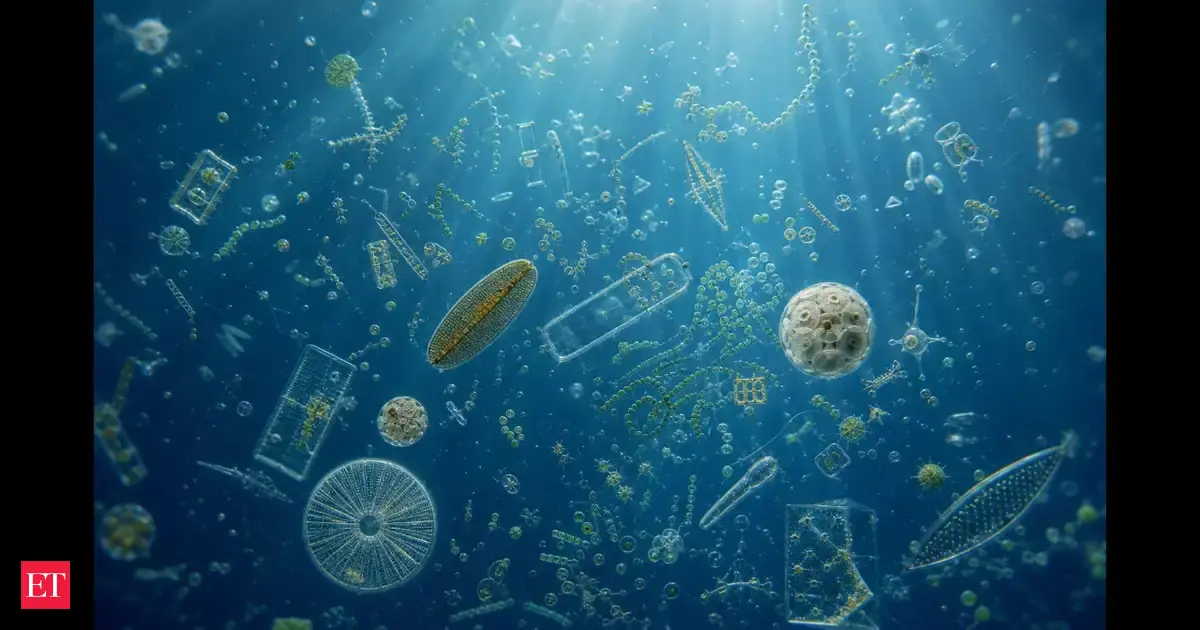
Scientists began measuring the oceans global productivity in 1988, revealing a hidden force behind Earths oxygen cycle. Nearly four decades later, microscopic phytoplankton and photosynthetic bacteria are understood to produce roughly half of the oxygen generated each year. Drifting through sunlit waters, they turn sunlight into energy through photosynthesis. Yet much of that oxygen is consumed again by marine life and decomposition, making the oceans role far more complex than a simple forest-versus-ocean debate.