
Indian imam lures, rapes 7 girls, women in UK with djinn claims, gets life in jail
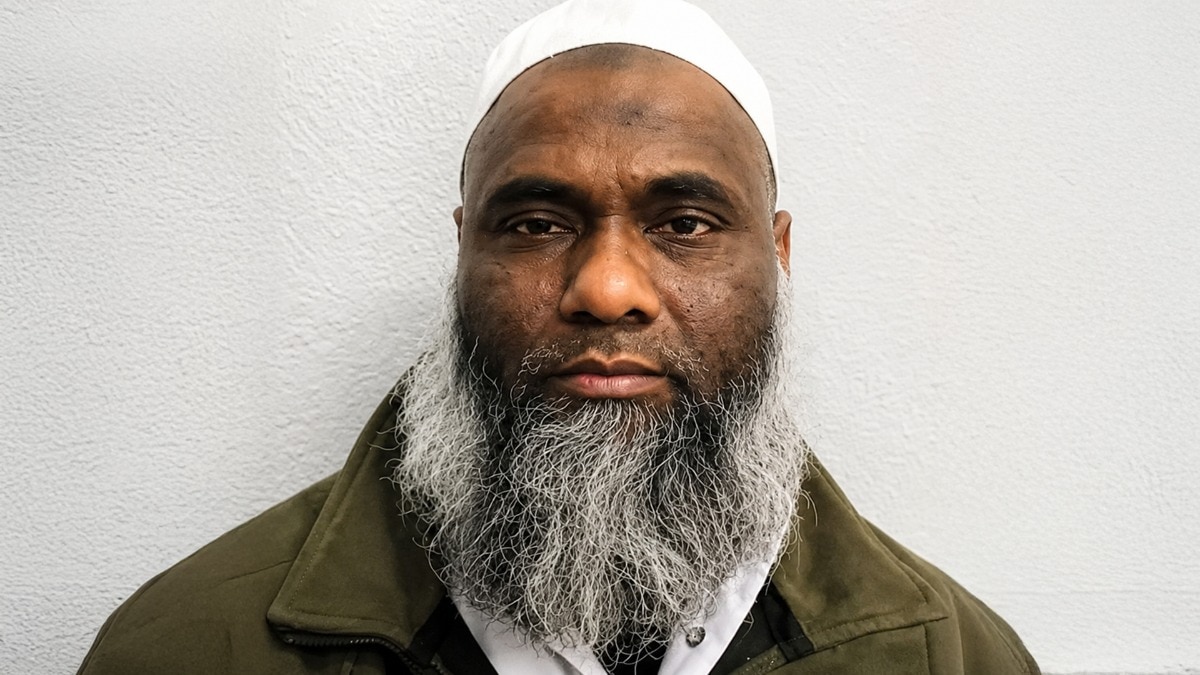
# Indian Imam Sentenced to Life in Prison for Rape of Women and Children in the UK
In a shocking case that has sent ripples through communities, an Indian imam residing in the United Kingdom has been sentenced to life in prison for the heinous crime of raping multiple women and girls. Abdul Halim Khan, who held a position of religious authority, manipulated his victims by exploiting their trust and belief in supernatural powers, claiming he was possessed by a djinn. This case sheds light on the dark side of faith exploitation and the urgent need for protective measures for vulnerable populations.
## A Disturbing Narrative of Abuse
Over a span of nine years, Khan preyed upon seven women and girls, some as young as 12 years old, all of whom were of Bangladeshi origin. The victims, vulnerable and seeking guidance, were drawn into his web of deceit. Khan’s actions not only violated their bodies but also shattered their trust in the very institutions meant to provide solace and support.
The imam’s claims of supernatural abilities were particularly insidious. By presenting himself as a djinn, he instilled fear and confusion in his victims, making them believe that they were powerless against his influence. This manipulation is a stark reminder of how individuals in positions of power can exploit the faith and beliefs of others for their own nefarious purposes.
## The Legal Proceedings: A Long-Awaited Justice
The legal proceedings against Khan began after several of his victims found the courage to come forward with their stories. The bravery of these women and girls was crucial in bringing Khan to justice, as many victims often remain silent due to shame, fear, or a lack of faith in the legal system. Their testimonies revealed a pattern of grooming, manipulation, and abuse that had gone on unchecked for years.
In court, evidence was presented that illustrated the extent of Khan’s predatory behavior. The judge, upon hearing the details of the case, described Khan’s actions as “appalling” and expressed disbelief that someone in his position could commit such crimes. The life sentence handed down to Khan not only serves as a form of justice for the victims but also as a warning to others who might seek to exploit their authority.
## The Impact on Victims and Community
The impact of Khan’s actions extends far beyond the courtroom. Survivors of abuse often face long-term psychological effects, including anxiety, depression, and post-traumatic stress disorder (PTSD). The stigma surrounding sexual violence can also lead to social isolation, making it difficult for victims to rebuild their lives after trauma.
In this case, the Bangladeshi community in the UK has expressed outrage and concern. Many community leaders have spoken out about the necessity of creating safe spaces for individuals to report abuse without fear of judgment. They emphasize the importance of education and awareness to prevent similar incidents from occurring in the future.
## Rethinking Trust and Authority in Religious Settings
The case of Abdul Halim Khan prompts a broader discussion about the dynamics of trust and authority within religious institutions. Faith leaders often hold significant influence over their congregations, and with that comes the responsibility to act ethically and protect their followers. The exploitation of this trust can have devastating consequences, as seen in Khan’s case.
Communities must foster an environment where individuals feel empowered to speak out against abuse. This includes implementing safeguarding measures within religious organizations and providing training for leaders on recognizing and addressing abusive behavior. By prioritizing transparency and accountability, communities can work towards preventing such abuses of power in the future.
## The Role of Authorities in Prevention
Law enforcement and social services play a critical role in protecting vulnerable individuals from exploitation. In the wake of this case, there is an urgent need for improved collaboration between community organizations and authorities to ensure that victims receive the support they need.
Educational programs focused on recognizing signs of grooming and abuse can also help in early identification and prevention. By equipping individuals with knowledge and resources, communities can create a safer environment for everyone.
## The Importance of Support Systems for Survivors
Support systems for survivors of sexual violence are essential for healing and recovery. Victims of abuse often require psychological counseling, legal assistance, and community support to navigate the aftermath of their experiences. Organizations dedicated to supporting survivors play a vital role in providing these resources and advocacy.
Victim support groups can help survivors connect with others who have faced similar experiences, fostering a sense of community and understanding. It is crucial for survivors to know they are not alone and that there are people and resources available to help them on their journey to recovery.
## Conclusion: A Call for Awareness and Action
The sentencing of Abdul Halim Khan serves as a grim reminder of the vulnerabilities that exist within communities, particularly among those seeking spiritual guidance. His case highlights the urgent need for awareness, education, and action to protect individuals from exploitation by those in positions of trust.
As communities come to terms with the impact of this case, it is essential to foster an environment where victims feel safe and supported in speaking out against abuse. By prioritizing transparency, accountability, and education, we can work towards a future where such abuses of power are no longer tolerated.
Together, we can create a society that not only seeks justice for victims but also actively works to prevent further abuses from occurring. The road ahead may be challenging, but with concerted efforts and a commitment to change, we can ensure that no one else suffers as a result of exploitation and manipulation in the name of faith.