
India’s clean energy push: Govt mulls bids for 220 MWe Small Modular Reactor
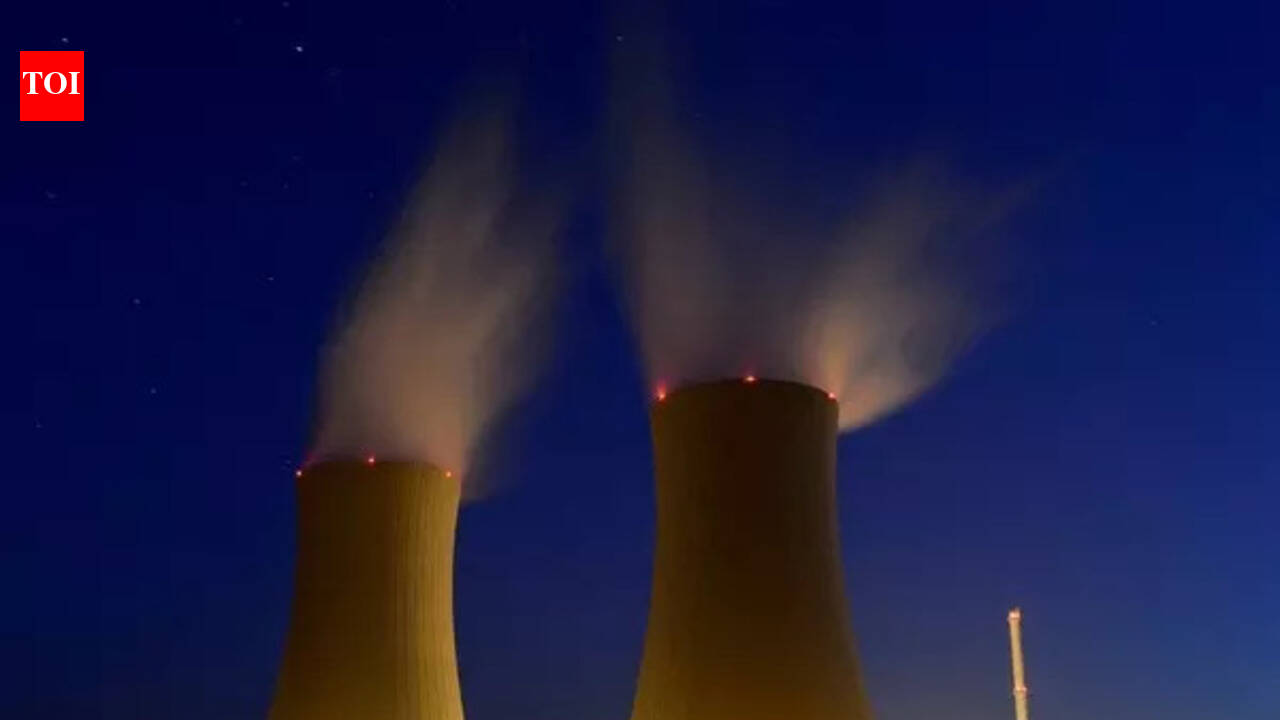
India’s Clean Energy Push: Govt Mulls Bids for 220 MWe Small Modular Reactor
In a significant move towards enhancing its clean energy portfolio, the Indian government is contemplating inviting bids for the establishment of a 220 MWe Bharat Small Modular Reactor (SMR). This initiative not only underscores India’s commitment to sustainable energy but also aims to bolster the country's energy security and reduce dependence on fossil fuels. As the world grapples with climate change, India's proactive approach to nuclear energy is poised to play a vital role in its long-term energy strategy.
The Need for Clean Energy Solutions
As one of the fastest-growing economies, India faces an increasing demand for energy. The country is projected to become the world’s most populous nation by 2024, further escalating the need for reliable and clean energy sources. The government has set ambitious targets to achieve 500 GW of non-fossil fuel-based energy capacity by 2030, with a strong focus on solar and wind energy. However, as renewable energy sources can be intermittent, nuclear power presents a stable and reliable backup solution.
The Bharat Small Modular Reactor aims to fill this gap. With a capacity of 220 MWe, these reactors are designed to be more compact and flexible compared to traditional nuclear plants, allowing for easier deployment and faster construction times. This innovative approach is set to enhance the efficiency of India’s nuclear power generation while minimizing risks associated with larger nuclear facilities.
Enhancing Energy Security
India's energy security is a pressing concern, especially given its reliance on imported fossil fuels. By investing in small modular reactors, the government aims to diversify its energy sources and reduce vulnerability to global energy market fluctuations. The SMRs can be built closer to demand centers, reducing transmission losses and ensuring that energy reaches consumers more efficiently.
Moreover, the modular nature of these reactors allows for scalability. As energy demand increases, additional modules can be added without the need for extensive new infrastructure. This flexibility makes SMRs an attractive option for expanding India’s energy grid sustainably.
Government Initiatives and Support
The Indian government has been actively promoting nuclear energy as part of its broader strategy to meet climate goals and transition to a low-carbon economy. The Department of Atomic Energy (DAE) has been tasked with overseeing the implementation of this initiative, and the upcoming bid invitation for the Bharat SMR represents a critical step in that direction.
In addition to providing a framework for private participation in the nuclear sector, the government has also laid out guidelines to ensure the safety and efficiency of nuclear operations. This includes stringent regulatory measures to ensure that all reactors meet international safety standards, which is paramount in gaining public trust.
The Role of Technology and Innovation
The development of the Bharat SMR is also a testament to India’s growing prowess in nuclear technology. The reactor design is based on advanced technologies that emphasize safety, efficiency, and sustainability. With a focus on passive safety systems, the Bharat SMR aims to minimize the risk of accidents, making it a safer option for power generation.
Furthermore, the use of indigenous technology in the development of these reactors underscores India’s commitment to self-reliance in the energy sector. By harnessing local expertise, the government not only boosts domestic manufacturing but also creates jobs and stimulates economic growth in the nuclear sector.
Conclusion: A Step Towards a Sustainable Future
The potential invitation for bids to establish the 220 MWe Bharat Small Modular Reactor marks a pivotal moment in India’s journey towards a sustainable energy future. As the country looks to balance its energy needs with environmental responsibilities, nuclear power stands out as a viable solution to achieving energy security and reducing carbon emissions.
The commitment to developing small modular reactors is not just about diversifying energy sources; it reflects a broader vision of a cleaner, greener India. As the world transitions towards more sustainable energy solutions, India’s push for nuclear energy, exemplified by the Bharat SMR, positions it as a leader in the global clean energy landscape.
With the right strategies and support, India can harness the potential of nuclear energy to not only meet its growing energy demands but also contribute to global efforts in combating climate change. The upcoming bids for the Bharat SMR are a crucial step in realizing this vision, paving the way for a sustainable and secure energy future for generations to come.