
India’s forex reserves fall by $7.79 billion to $690.69 billion: RBI
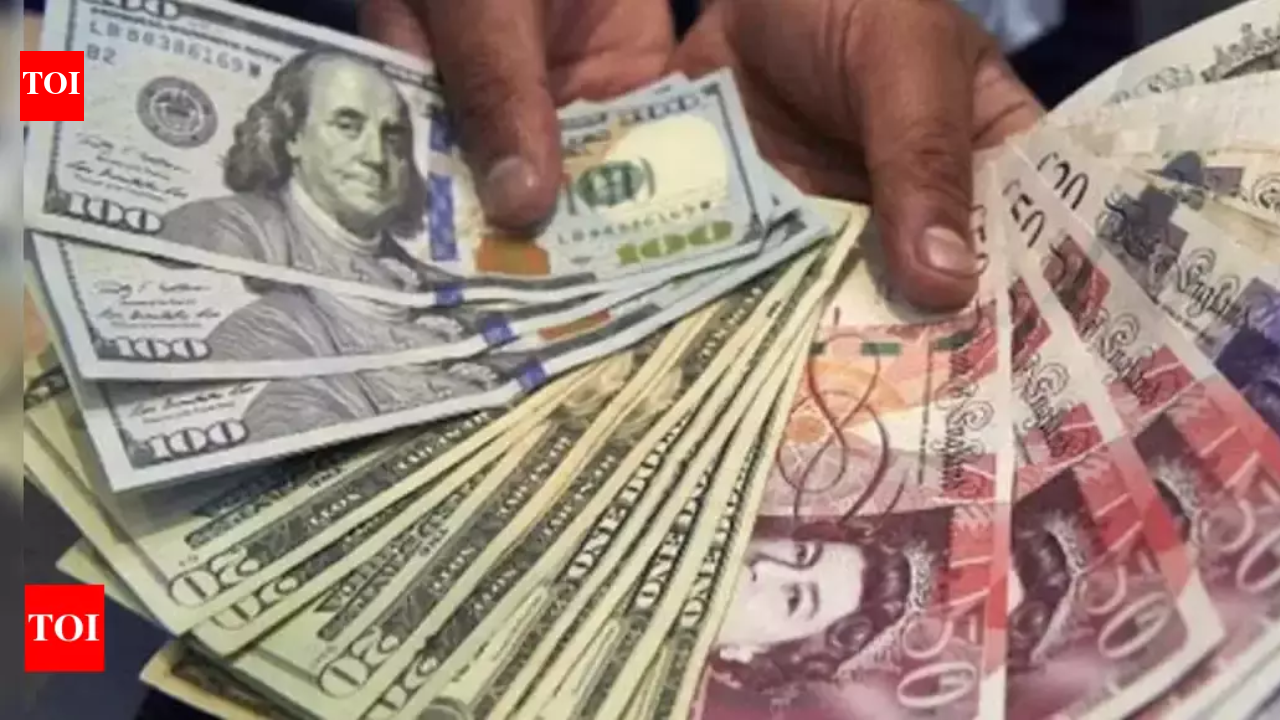
India’s Foreign Exchange Reserves Decline by $7.79 Billion: An In-Depth Analysis
In a significant economic development, India’s foreign exchange reserves have witnessed a sharp decline of $7.79 billion, bringing the total reserves down to $690.69 billion as of the week ending May 1, 2023. This downturn, reported by the Reserve Bank of India (RBI), raises important questions about the country’s financial stability and its implications for the economy. In this article, we will explore the factors contributing to this decrease, its potential impact on the Indian economy, and what it means for businesses and consumers alike.
Understanding Foreign Exchange Reserves
Foreign exchange reserves are critical for any country's economy as they serve as a buffer against currency volatility and economic shocks. These reserves include foreign currencies, gold, Special Drawing Rights (SDRs), and other reserve assets. For India, a robust reserve status is essential not only for maintaining the stability of the Indian rupee but also for bolstering investor confidence and facilitating international trade.
Recent Trends in India’s Forex Reserves
According to the RBI’s data, the decline in reserves is particularly noteworthy given the recent trends in global markets. The reserves fell to $690.69 billion, a level not seen in recent months. This decline has raised eyebrows among economists and financial analysts who are closely monitoring the situation.
The decrease can be attributed to various factors, including changes in global economic conditions, fluctuations in commodity prices, and alterations in foreign investment flows. Each of these factors plays a critical role in influencing the foreign exchange reserves of a nation.
Factors Contributing to the Decline
1. **Global Economic Conditions**: The ongoing geopolitical tensions and economic uncertainties across the globe have led to increased volatility in the financial markets. This instability often results in fluctuations in foreign investment, which can significantly impact a country’s forex reserves.
2. **Commodity Prices**: India is heavily reliant on imports for essential commodities, including crude oil. A rise in global oil prices can lead to increased import bills, thereby exerting pressure on foreign exchange reserves. Recently, the surge in oil prices has had a notable impact on India’s trade balance, contributing to the decline in reserves.
3. **Foreign Investment Flows**: Changes in foreign direct investment (FDI) and foreign portfolio investment (FPI) can directly affect forex reserves. A slowdown in foreign investments, driven by various global and domestic factors, can lead to a decrease in the reserves.
4. **Monetary Policy Adjustments**: Decisions made by the RBI regarding interest rates and other monetary policies can influence capital flows. For instance, a rise in interest rates may attract foreign investors but can also slow down domestic growth, impacting the overall economic scenario.
The Implications of Falling Forex Reserves
The decline in foreign exchange reserves poses several implications for the Indian economy:
1. **Currency Stability**: A decrease in reserves can lead to increased volatility in the Indian rupee. A weaker rupee can make imports more expensive, leading to inflationary pressures that may affect consumers and businesses alike.
2. **Investor Confidence**: Foreign investors often view declining forex reserves as a sign of economic instability. This perception can result in reduced foreign investment and may hinder India’s growth prospects.
3. **Interest Rates and Inflation**: The RBI may be compelled to adjust interest rates to stabilize the rupee, which can have downstream effects on inflation and economic growth.
4. **International Trade**: With lower reserves, India may face challenges in meeting its international payment obligations, potentially affecting its trade relationships.
What Lies Ahead for India’s Forex Reserves?
As India navigates this challenging economic landscape, several strategies can be employed to stabilize and potentially rebuild its foreign exchange reserves:
1. **Enhancing Export Competitiveness**: Focusing on increasing exports can help improve the trade balance, providing a boost to forex reserves. Policymakers should consider incentives for exporters and investments in infrastructure to enhance competitiveness.
2. **Attracting Foreign Investments**: Creating a conducive environment for foreign investments is crucial. This includes simplifying regulatory frameworks, enhancing ease of doing business, and ensuring political stability.
3. **Diversifying Import Sources**: Reducing dependency on specific commodities, particularly oil, through diversification can help manage import bills and stabilize reserves.
4. **Strengthening Economic Fundamentals**: Fostering sustainable economic growth through investment in key sectors such as technology, manufacturing, and services will be essential.
Conclusion
The recent decline in India’s foreign exchange reserves by $7.79 billion to $690.69 billion is a critical development that warrants attention. While several factors contribute to this situation, the implications for the Indian economy are profound, affecting everything from currency stability to investor confidence and international trade relationships.
As India embarks on its journey toward economic recovery, it will be vital for policymakers to adopt a multi-faceted approach to address these challenges head-on. By enhancing export competitiveness, attracting foreign investments, and fostering economic stability, India can not only stabilize its foreign exchange reserves but also pave the way for sustainable growth in the future.
In these uncertain times, vigilance and proactive measures will be the keys to navigating the complexities of the global economy and ensuring a resilient financial future for India.