
Iran mocks Trump with AI video showing him stuck in Tesla-logo truck at Hormuz
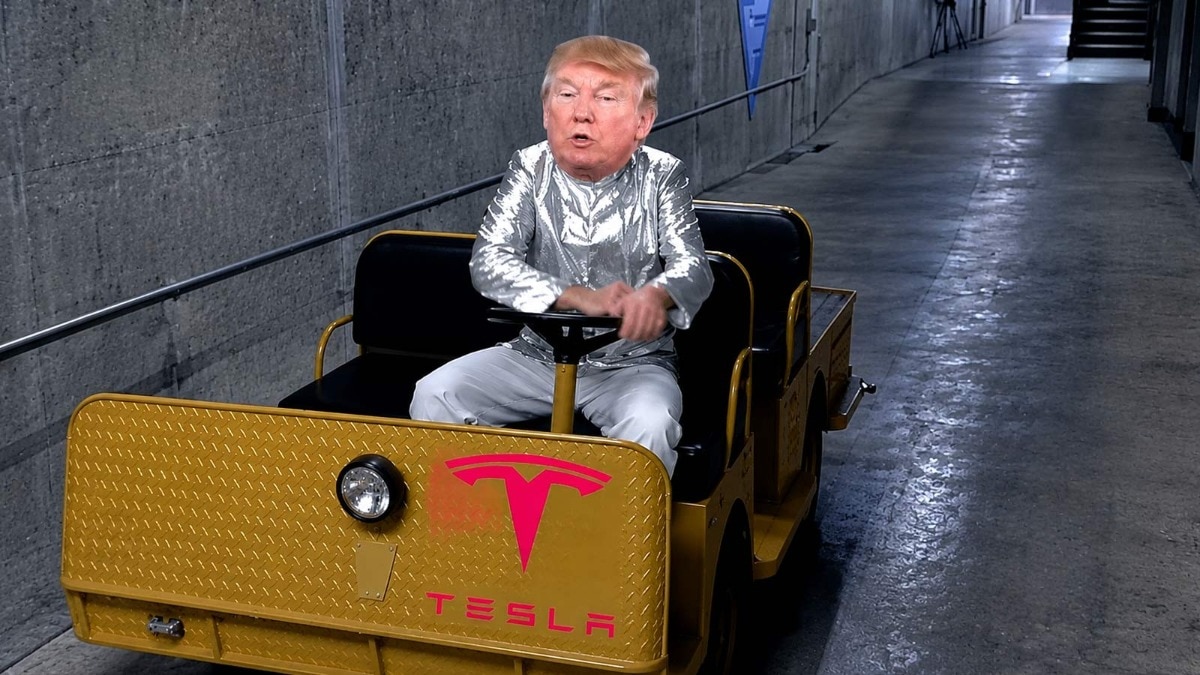
Iran Mocks Trump with AI Video: A Satirical Take on Tensions in West Asia
In an unexpected twist of international diplomacy, the Iranian embassy in Hungary has taken to social media to share a parody video featuring former U.S. President Donald Trump. The AI-generated clip depicts Trump humorously trapped in a truck adorned with the Tesla logo, navigating a narrow passage reminiscent of the strategic Strait of Hormuz. This satirical portrayal not only showcases the evolving nature of diplomatic communication but also highlights the ongoing tensions in West Asia.
The Clip that Caught Attention
The video has quickly gone viral, sparking discussions and reactions across social media platforms. With the backdrop of ongoing geopolitical challenges in the region, the clip serves as a comedic commentary on the serious issues that often dominate the news cycle. The visual humor and clever use of AI technology have made it a striking example of how nations can engage in digital diplomacy, albeit with a touch of mockery.
The Strategic Importance of the Strait of Hormuz
Before delving deeper into the implications of the video, it’s essential to understand the significance of the Strait of Hormuz. This narrow waterway is one of the world’s most crucial chokepoints for oil transportation, with a significant percentage of the globe's oil supply passing through it each year. Given this strategic importance, the region has been the focal point of international tensions, particularly between Iran and the United States.
A New Era of Digital Diplomacy
The use of social media and AI in international relations marks a shift in how countries communicate. Iran's decision to employ an AI-generated video to satirize Trump reflects a broader trend where humor is used as a tool for diplomacy. In an age where traditional forms of communication may not resonate as effectively, nations are exploring innovative ways to engage with global audiences.
This video serves as a playful reminder that, even amidst serious political discourse, humor can provide a necessary relief and a different perspective on ongoing conflicts. The Iranian embassy's choice to utilize a light-hearted approach may also be an attempt to soften its image, portraying the nation as one that can engage in playful banter rather than solely focusing on the adversarial nature of its foreign relations.
Reactions from the Public and Media
Social media users have responded with a mix of amusement and surprise at the video. Many have praised its creativity and the effective use of AI technology to create a humorous narrative. Critics, however, argue that this type of mockery can further escalate tensions rather than promote dialogue. The reactions highlight the polarizing nature of international relations, where humor can be both a unifying force and a point of contention.
Media outlets around the world have picked up on the story, analyzing its implications for U.S.-Iran relations and the role of digital media in modern diplomacy. Commentators have noted that while satire can serve as a distraction from serious issues, it can also offer a platform for more profound discussions about the state of global politics.
The Role of AI in International Communication
The incorporation of artificial intelligence in creating the video is particularly noteworthy. AI technology has advanced significantly, allowing for the production of high-quality content that can be easily shared and consumed by a global audience. This raises questions about the future of content creation in diplomacy—will more nations follow Iran's lead in using AI for political satire?
As AI continues to evolve, it is likely that we will see an increase in its use for various forms of communication, including political messaging and public diplomacy. The ability to craft engaging narratives through AI could redefine how nations interact with one another and their citizens.
The Bigger Picture: U.S.-Iran Relations
While the parody video may seem like a lighthearted jab at Trump, it is essential to consider the broader context of U.S.-Iran relations. The tension between the two nations has a long history, marked by conflict, sanctions, and diplomatic standoffs. The Strait of Hormuz has been a flashpoint for these tensions, with incidents involving naval forces and oil tankers adding to the complexity of the situation.
Iran’s decision to share the video could be interpreted as a strategic move to assert its position in the ongoing discourse surrounding its nuclear program and regional influence. By utilizing humor, Iran may aim to shift the narrative and engage with audiences in a way that traditional diplomatic statements cannot.
The Impact of Social Media on Global Politics
Social media has transformed the landscape of global communication, allowing messages to spread rapidly and reach vast audiences. The Iranian embassy's video is a prime example of how social media can be harnessed to influence public perception and shape narratives. In an era where attention spans are short, engaging content can leave a lasting impression.
The implications of this shift are significant. As countries become more adept at using social media for political purposes, we may witness a rise in online trolling and satire as tools of international diplomacy. This could lead to more playful interactions between countries but also risk escalating tensions if humor is misinterpreted or taken too far.
Conclusion: The Future of Diplomatic Satire
The AI-generated video shared by the Iranian embassy is a fascinating case of how humor and technology intersect in the realm of international relations. While it may serve as a lighthearted commentary on the serious issues facing West Asia, it also reflects the evolving nature of diplomacy in the digital age. As nations continue to navigate complex relationships, the use of satire and innovative communication methods will likely become more prevalent.
In a world where tensions often dominate headlines, perhaps a touch of humor can remind us of our shared humanity. Whether through satire, AI, or social media, the potential for connection, dialogue, and understanding remains. The challenge will be to ensure that humor fosters goodwill rather than exacerbating existing divides. As we look to the future, it will be interesting to see how countries continue to balance the serious and the playful in their diplomatic efforts.