Iran submits new proposal, says U.S. open to sanctions relief
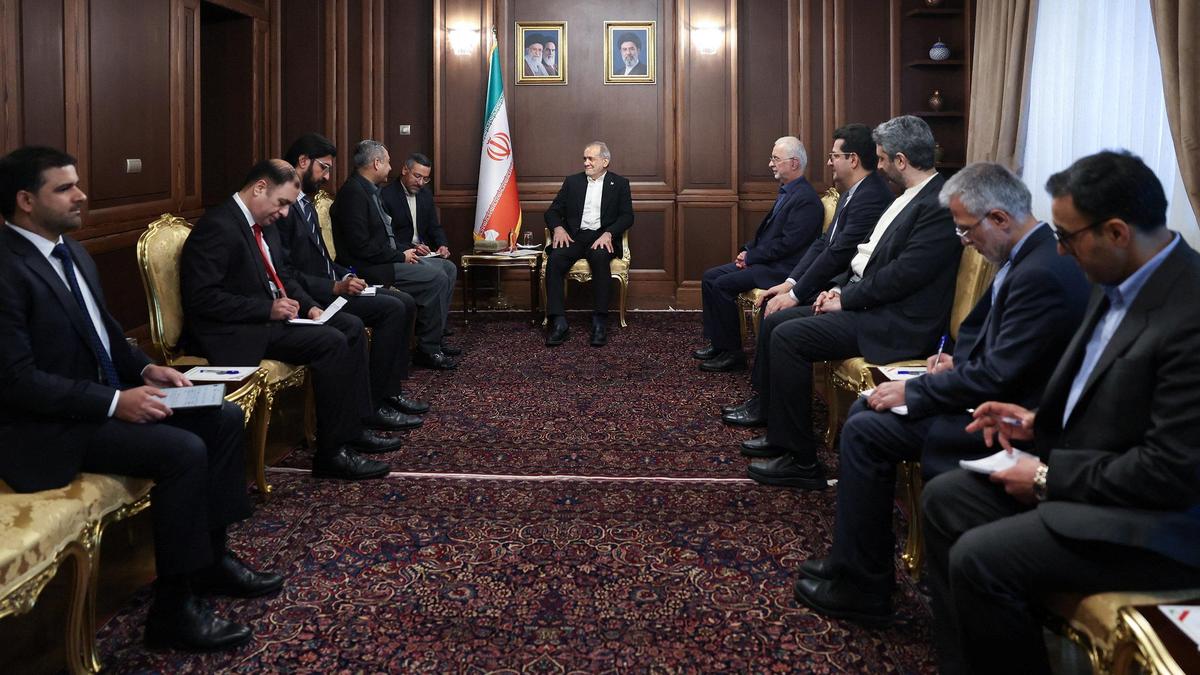
# Iran Submits New 14-Point Proposal in Diplomatic Push for Sanctions Relief
In a significant development in international diplomacy, Iran has presented a new 14-point proposal to the United States. This move, which is seen as a crucial step towards easing tensions, suggests that the U.S. may be open to discussions surrounding sanctions relief. As negotiations continue, both countries appear to be exploring pathways to restore a sense of stability in a region long affected by conflict and economic strife.
## The Context of the Proposal
The recent proposal from Iran comes in the wake of prolonged discussions surrounding its nuclear program, a central issue in U.S.-Iran relations. Sanctions imposed by the U.S. and its allies have crippled Iran's economy, leading to widespread social unrest and diminishing public support for the government. As the Iranian leadership seeks to stabilize the economy and improve living conditions for its citizens, this new proposal indicates a willingness to engage in dialogue and explore compromises.
Understanding the 14-Point Plan
While specific details of the 14-point plan have yet to be fully disclosed, sources indicate that it encompasses various aspects of the nuclear deal originally established in 2015. The plan aims to address key concerns regarding Iran's nuclear activities while also laying the groundwork for potential sanctions relief.
Among the critical components of the proposal are measures aimed at increasing transparency in Iran's nuclear program and steps towards compliance with international monitoring standards. Additionally, the proposal suggests a phased approach to sanctions relief, which would be contingent upon Iran's adherence to its commitments under the agreement.
## U.S. Response: A Willingness to Negotiate
In response to Iran's proposal, U.S. officials have expressed a cautious optimism regarding the potential for renewed negotiations. While no formal commitments have been made, the acknowledgment of the proposal signifies a willingness to engage in discussions that could lead to a resolution of key issues.
The Role of International Players
The involvement of international players, including European allies and regional partners, is crucial in the ongoing negotiations. These stakeholders have a vested interest in ensuring stability in the region and may serve as mediators to facilitate dialogue between the U.S. and Iran. Furthermore, the European Union has reiterated its commitment to reviving the Joint Comprehensive Plan of Action (JCPOA) and has encouraged both parties to approach negotiations with an open mind.
## The Path Forward: Challenges and Opportunities
While the submission of the 14-point proposal is a positive development, numerous challenges remain. The complex history of U.S.-Iran relations, marked by mistrust and conflict, poses significant obstacles to successful negotiations. Both sides will need to navigate these historical tensions while finding common ground.
Trust-Building Measures
Building trust will be essential for the success of any potential agreement. This could involve incremental steps, such as the release of prisoners or easing restrictions on humanitarian aid, which could foster goodwill and create a conducive environment for further discussions.
## The Economic Implications of Sanctions Relief
Should negotiations lead to sanctions relief, the economic implications for Iran could be profound. The lifting of restrictions on oil exports and access to international markets would provide a much-needed boost to the economy. Analysts predict that such relief could significantly improve living conditions for ordinary Iranians, potentially mitigating some of the social unrest that has plagued the country in recent years.
The Global Economic Landscape
Moreover, sanctions relief could have wider implications for the global economy. With Iran re-entering the oil market, fluctuations in oil prices could occur, impacting economies worldwide. This interconnectedness highlights the importance of resolving the U.S.-Iran stalemate, not just for the two nations, but for the international community as a whole.
## The Humanitarian Angle
Beyond the economic benefits, sanctions relief carries significant humanitarian implications. The Iranian population has faced severe hardships due to the crippling effects of sanctions, including shortages of essential goods and medical supplies. A successful negotiation could pave the way for improved living conditions, healthcare access, and overall quality of life for millions of Iranians.
Human Rights Considerations
As discussions progress, it will be essential for both parties to address human rights concerns. Ensuring that the benefits of sanctions relief reach the Iranian populace is crucial in fostering a sense of trust and goodwill. International organizations and human rights advocates will likely play an essential role in monitoring the situation and advocating for the rights of ordinary citizens.
## Conclusion: A Crucial Moment for U.S.-Iran Relations
The submission of Iran's 14-point proposal marks a pivotal moment in the ongoing saga of U.S.-Iran relations. While the road ahead is fraught with challenges, the willingness of both parties to engage in dialogue represents a glimmer of hope for a resolution. As negotiations unfold, the global community will be watching closely, recognizing that the stakes extend far beyond the borders of Iran and the United States.
In an era where international diplomacy is more critical than ever, the potential for sanctions relief could usher in a new chapter for both nations. With a focus on building trust and addressing humanitarian concerns, there is a chance to not only stabilize the region but also to create a lasting peace that benefits all parties involved. As the world awaits further developments, one thing is clear: the opportunity for a brighter future is within reach, but it will require commitment, compromise, and collaboration from all sides.