
Is United States on verge of a Maduro-like military intervention in Cuba?
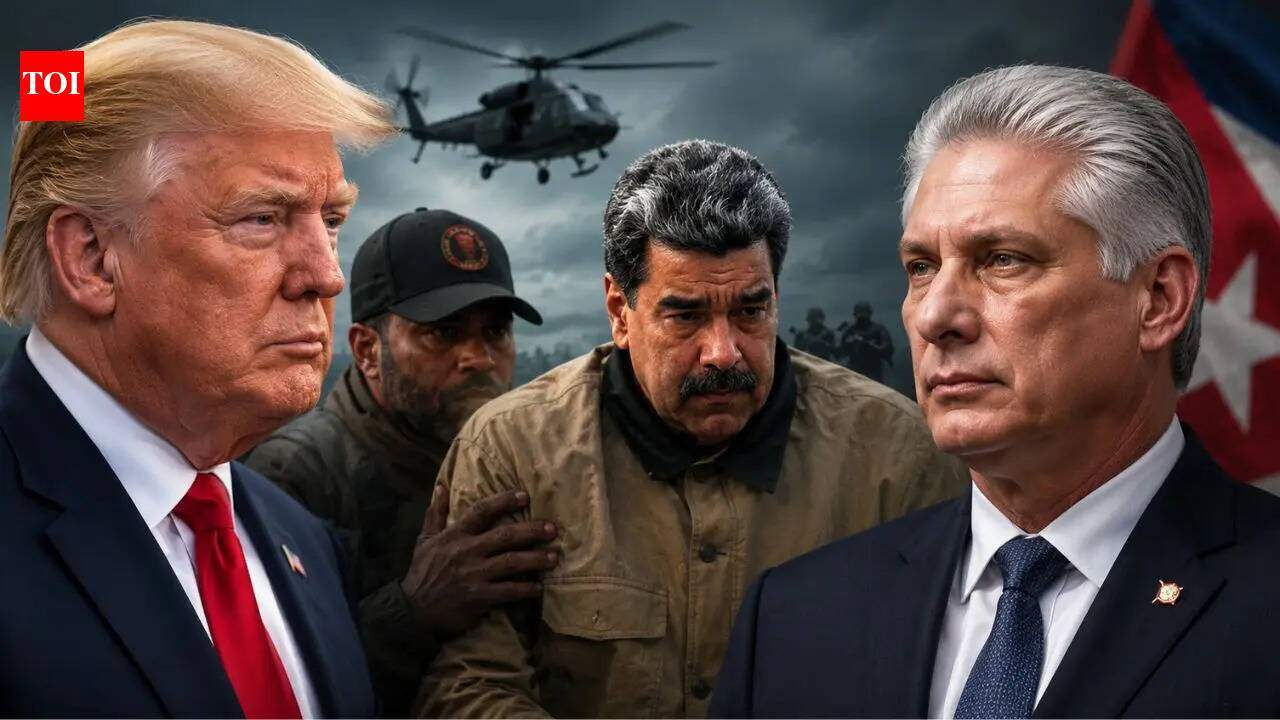
Is the United States on the Verge of a Maduro-Like Military Intervention in Cuba?
In recent months, the political landscape surrounding Cuba has become increasingly turbulent, with analysts drawing comparisons to historical military interventions in the region. Under the administration of former President Donald Trump, the United States has escalated its stance toward Cuba, prompting concerns about a potential military intervention reminiscent of the actions taken by Venezuela’s Nicolás Maduro. As tensions rise, this article delves into the factors influencing U.S.-Cuba relations, the historical context, and the implications of a possible military intervention.
The Current State of U.S.-Cuba Relations
The relationship between the United States and Cuba has a long and complex history, characterized by periods of hostility and attempts at rapprochement. The Trump administration adopted a hardline approach to Cuba, reversing many of the diplomatic initiatives established during the Obama presidency. This shift has included tightening economic sanctions, restricting travel to the island, and publicly supporting dissident movements within Cuba.
As the Biden administration takes the reins, the question arises: will the U.S. continue along this aggressive path toward Cuba, or will it seek to restore diplomatic relations? The answer to this question could have far-reaching implications for both countries, as well as for the broader geopolitical landscape in Latin America.
Historical Context: Military Interventions in Latin America
To understand the potential for a military intervention in Cuba, it is essential to look at the history of U.S. involvement in Latin America. The United States has a long track record of military interventions in the region, often justified by the need to combat perceived threats to democracy and stability. From the Bay of Pigs invasion in 1961 to the military overthrow of Chilean President Salvador Allende in 1973, the U.S. has frequently intervened in Latin America, sometimes with disastrous consequences.
The current situation in Cuba bears some resemblance to these historical precedents. With the Cuban government facing significant domestic unrest and economic challenges, some analysts fear that the U.S. may be tempted to intervene militarily to support opposition forces, echoing the tactics employed in Venezuela under Maduro's regime.
The Impact of Economic Sanctions
One of the primary tools employed by the U.S. in its efforts to exert pressure on Cuba is economic sanctions. These sanctions have been designed to cripple the Cuban economy, with the hope that the resulting hardship will lead to political change. However, critics argue that such measures often backfire, causing suffering for ordinary citizens while failing to achieve their intended political goals.
The economic situation in Cuba is dire, with food and medicine shortages exacerbated by the ongoing COVID-19 pandemic. The U.S. sanctions, coupled with a lack of foreign investment, have contributed to widespread discontent among the Cuban population. This unrest has prompted calls for greater U.S. involvement, as some advocate for a more interventionist approach to support the Cuban people in their quest for change.
The Role of Social Media and Activism
In the digital age, social media has become a powerful tool for activists seeking change. The recent protests in Cuba, which erupted in July 2021, were fueled in part by the widespread sharing of information through platforms like Twitter and Facebook. Activists used these tools to mobilize support and draw international attention to the dire conditions facing the Cuban populace.
The U.S. government's response to these protests has been mixed. While some officials have expressed solidarity with the Cuban people, others have called for a more robust interventionist approach. This divergence in opinion reflects a broader debate within U.S. foreign policy circles about the best way to support democracy in the region.
Lessons from Venezuela: A Cautionary Tale
The situation in Venezuela serves as a cautionary tale for those advocating for military intervention in Cuba. Nicolás Maduro's regime has faced significant internal dissent and economic turmoil, leading to calls for U.S. intervention. However, such actions have often resulted in protracted conflicts, further destabilizing the region and causing humanitarian crises.
Military intervention in Venezuela has not only failed to achieve its intended goals but has also deepened divisions within the country and across Latin America. Observers caution that a similar approach in Cuba could lead to unintended consequences, exacerbating the very problems it seeks to resolve.
The International Community's Response
The prospect of a U.S. military intervention in Cuba has sparked debate within the international community. Many countries in Latin America, particularly those with left-leaning governments, have expressed opposition to U.S. interventionist policies, arguing that they undermine national sovereignty and exacerbate regional tensions.
Organizations such as the United Nations have also called for a diplomatic resolution to the crisis in Cuba, emphasizing the need for dialogue and cooperation rather than military action. The international community's response will play a crucial role in shaping the future of U.S.-Cuba relations and determining the likelihood of military intervention.
Conclusion: A Path Forward
As the situation in Cuba continues to evolve, the United States faces a critical juncture in its foreign policy. While there are compelling arguments for supporting the Cuban people in their struggle for democracy, history has shown that military intervention is fraught with risks and uncertainties. The lessons learned from past interventions in Latin America highlight the importance of pursuing diplomatic solutions and fostering dialogue.
In the coming months, the Biden administration will need to carefully consider its approach to Cuba, weighing the potential benefits of intervention against the risks of further destabilization. A more nuanced strategy that emphasizes diplomacy, engagement, and support for civil society may prove to be the most effective way to promote positive change in Cuba without repeating the mistakes of the past.
As the world watches, the question remains: will the United States choose a path of intervention reminiscent of Maduro's Venezuela, or will it opt for a more measured approach that prioritizes diplomacy and collaboration? Only time will tell, but the stakes are undeniably high for both Cuba and the United States.