
Jaishankar to host Quad Foreign Ministers meet on May 26: MEA
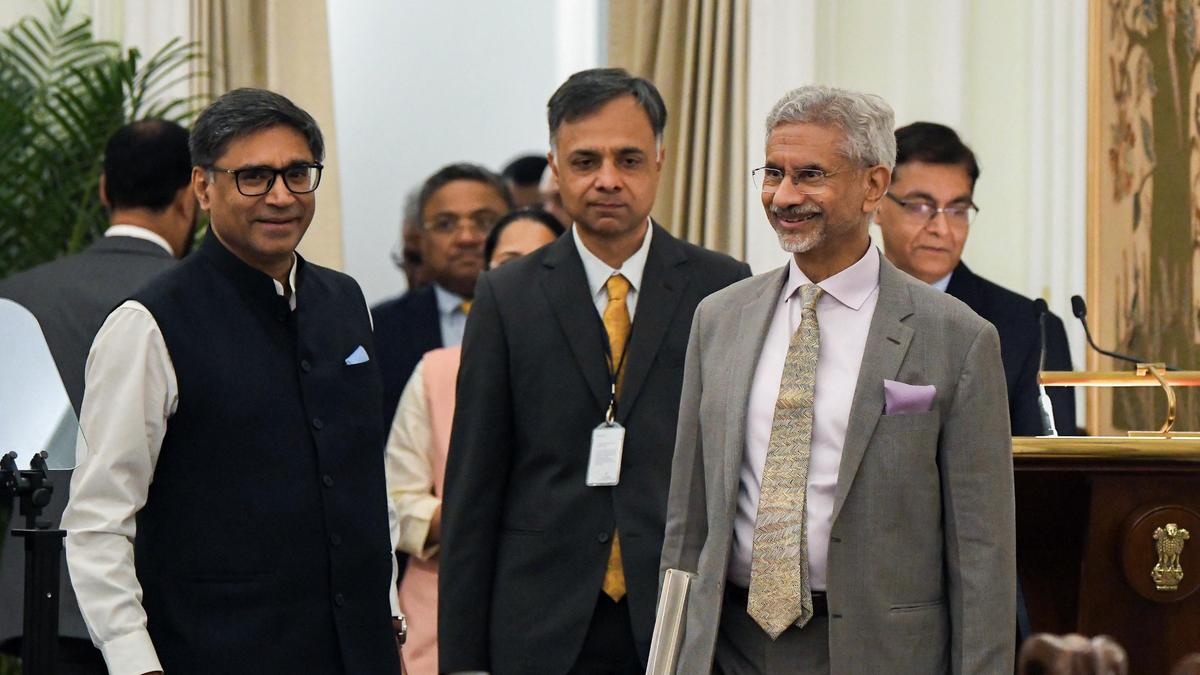
# Jaishankar to Host Quad Foreign Ministers Meeting on May 26: A Focus on Indo-Pacific Cooperation
In an era where geopolitical challenges and regional partnerships are more critical than ever, India's External Affairs Minister, S. Jaishankar, is set to host a pivotal meeting of the Quad Foreign Ministers on May 26. This significant gathering, which brings together the foreign ministers of Australia, Japan, and the United States, aims to strengthen cooperation in the Indo-Pacific region and address pressing global issues. As the world watches, the outcomes of this meeting could shape international relations and security in the coming years.
## The Quad: A Collaborative Framework
The Quadrilateral Security Dialogue, commonly known as the Quad, is a strategic alliance formed between four major democracies: the United States, India, Japan, and Australia. Established in response to rising regional threats and the need for a coordinated approach to security, the Quad has evolved into a forum for discussing various issues, including trade, climate change, cybersecurity, and maritime security.
The upcoming meeting hosted by Jaishankar is expected to build on previous discussions and enhance collaboration among member countries in the Indo-Pacific region. Given the strategic importance of this area, characterized by vital shipping lanes and economic hubs, the Quad's role in promoting stability and security cannot be overstated.
## Key Topics on the Agenda
Indo-Pacific Cooperation
One of the primary objectives of the Quad Foreign Ministers meeting will be to solidify cooperation in the Indo-Pacific. The region has become increasingly complex, with rising tensions and competing interests from various nations. The Quad aims to foster a free, open, and inclusive Indo-Pacific, ensuring that all nations can thrive in a secure environment.
The ministers will likely discuss initiatives to enhance maritime security, countering illegal fishing, and protecting vital sea lanes. By fostering collaboration in these areas, the Quad seeks to reinforce the principles of rule-based maritime order and uphold international law.
Addressing Regional Security Challenges
The Quad countries recognize the various security challenges that threaten peace and stability in the Indo-Pacific. These challenges include territorial disputes in the South China Sea, North Korea's nuclear ambitions, and the increasing assertiveness of regional powers.
During the meeting, the foreign ministers will explore strategies to address these challenges collectively. By sharing intelligence, conducting joint exercises, and enhancing capabilities, the Quad aims to create a united front against any aggression that could destabilize the region.
Climate Change and Sustainable Development
Climate change is another critical issue that the Quad countries will address during their discussions. The impact of climate change on the Indo-Pacific region is profound, affecting food security, natural disasters, and biodiversity. The ministers are expected to launch initiatives aimed at promoting sustainable development and climate resilience.
By leveraging their combined resources and expertise, the Quad can play a significant role in addressing climate-related challenges and supporting vulnerable countries in their adaptation and mitigation efforts.
Health Security and Pandemic Preparedness
In light of the ongoing COVID-19 pandemic, health security will also be a focal point of the meeting. The Quad has already taken steps to address vaccine distribution and public health preparedness in the region. The upcoming discussions will likely focus on enhancing cooperation in health infrastructure, research, and the sharing of best practices to ensure that nations are better prepared for future pandemics.
## The Significance of the Quad Foreign Ministers Meeting
This meeting comes at a crucial time in global politics, as the international community grapples with the implications of shifting power dynamics. The Quad Foreign Ministers meeting will not only reinforce the commitment of member countries to a rules-based international order but also send a strong message of solidarity in the face of growing authoritarianism.
Furthermore, the meeting underscores India's rising role as a key player in global affairs. As a founding member of the Quad, India has been at the forefront of fostering regional cooperation and dialogue. Jaishankar's leadership in hosting this meeting exemplifies India's commitment to a stable and prosperous Indo-Pacific.
## The Role of the United States, Japan, and Australia
The participation of the United States, Japan, and Australia in this meeting highlights the importance of a united approach to addressing global challenges. The U.S. remains committed to a free and open Indo-Pacific, emphasizing its role as a security partner in the region. Japan, with its strong economic ties and technological expertise, brings valuable perspectives on regional development and security. Meanwhile, Australia’s geographic proximity and strategic interests make it a vital player in the Indo-Pacific landscape.
Together, the Quad countries can leverage their strengths to tackle complex issues and promote peace and stability in the region.
## Implications for Global Geopolitics
The outcomes of the Quad Foreign Ministers meeting will have far-reaching implications for global geopolitics. As member countries discuss their strategies and frameworks for cooperation, other nations will be closely observing the dynamics at play. The Quad's emphasis on a collaborative approach may inspire similar alliances and partnerships in other regions, fostering a more interconnected global community.
Additionally, the meeting could influence the position of other major powers, particularly China, which has been increasingly assertive in the Indo-Pacific. The Quad's united stance on security and cooperation may serve as a counterbalance to China's growing influence and assertiveness in the region.
## Conclusion
As S. Jaishankar prepares to host the Quad Foreign Ministers meeting on May 26, the eyes of the world are upon him and his counterparts from the United States, Japan, and Australia. This meeting represents a crucial opportunity to strengthen cooperation in the Indo-Pacific and address key geopolitical challenges. With an agenda focused on security, climate change, and health preparedness, the Quad aims to foster a stable and prosperous region.
The outcomes of this meeting could define the future of international relations in the Indo-Pacific, reinforcing the importance of strategic partnerships and collaborative frameworks in an increasingly interconnected world. As the Quad continues to evolve, it is clear that its influence will be felt far beyond the confines of the Indo-Pacific, shaping the contours of global geopolitics for years to come.