
Karnataka’s Dubare Elephant Camp tragedy: 5 rules to follow in the presence of wildlife
# Tragedy at Dubare Elephant Camp: Lessons on Wildlife Safety
In a heartbreaking incident at Karnataka's Dubare Elephant Camp, a tourist lost their life after being caught in a dangerous situation involving two elephants during a bathing session. This tragic event has sent shockwaves through the wildlife tourism community and highlights the pressing need for awareness and adherence to safety protocols when interacting with wildlife. While encounters with these magnificent creatures can be exhilarating, it is crucial to recognize the inherent risks involved.
In this article, we delve into the recent incident at Dubare Elephant Camp and outline essential safety rules that every wildlife enthusiast should follow to ensure their safety and the well-being of the animals involved.
## The Incident at Dubare Elephant Camp
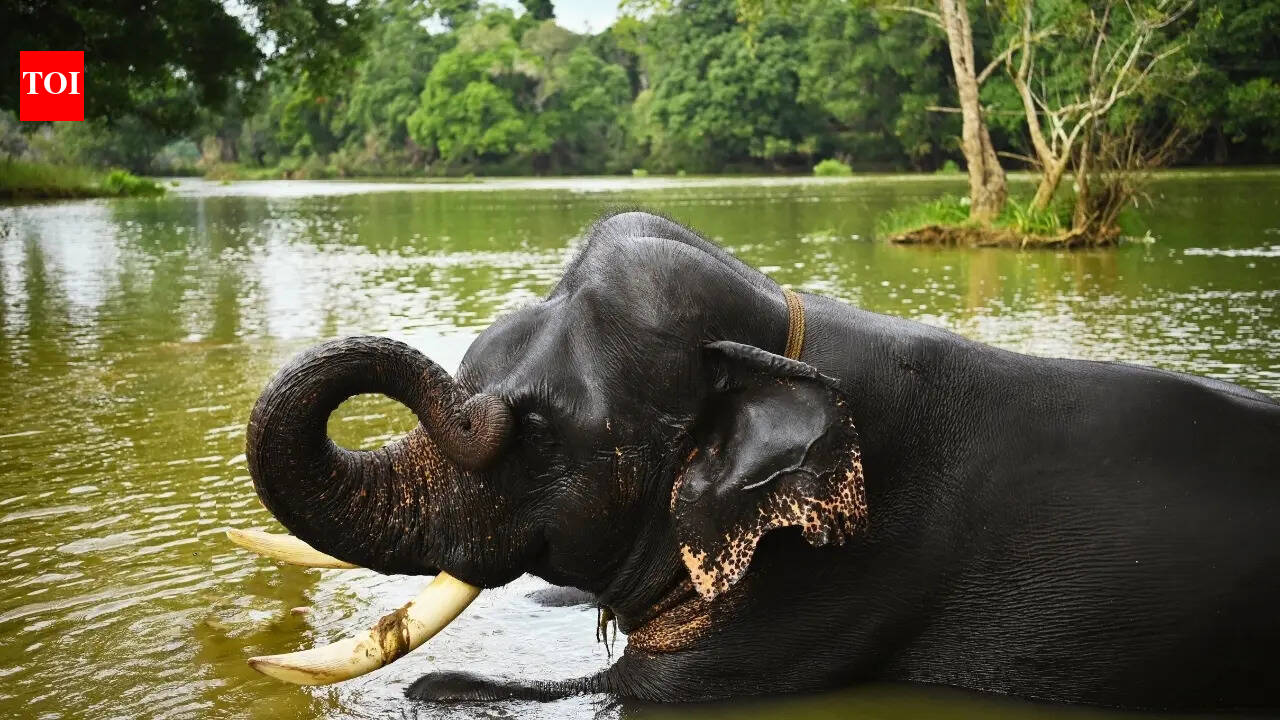
Dubare Elephant Camp, located along the banks of the River Kaveri in Karnataka, has long been a popular destination for tourists looking to engage with elephants in a natural setting. Visitors have the opportunity to bathe, feed, and learn about these gentle giants in a controlled environment. However, this idyllic experience took a tragic turn when two elephants began fighting, leading to the unfortunate death of a tourist who was caught in the chaos.
Eyewitnesses reported that the incident occurred during a routine bathing session, where visitors were allowed to get close to the elephants. As the elephants clashed, the tourist was unable to escape the dangerous situation. This incident serves as a stark reminder that even well-trained animals can exhibit unpredictable behavior, especially in stressful situations.
## Understanding the Risks of Wildlife Encounters
Wildlife tourism offers unique opportunities to connect with nature and learn about animal behavior. However, it is essential to recognize that these encounters carry inherent risks. Wild animals, regardless of their training or habitat, can react unpredictably, particularly when they feel threatened or provoked. Factors such as environmental stress, competition for resources, and even seasonal behaviors can influence an animal's temperament.
Moreover, elephants are social creatures with complex hierarchies. Fights between elephants can occur for various reasons, including dominance disputes or mating competition. When tourists are in close proximity, the potential for danger increases dramatically. The tragic event at Dubare Elephant Camp underscores the importance of safety measures and personal responsibility when engaging with wildlife.
## Five Essential Rules for Safety Around Wildlife
To prevent tragedies like the one at Dubare Elephant Camp, it is imperative for tourists and wildlife enthusiasts to follow established safety guidelines. Below are five essential rules to keep in mind when encountering wildlife:
1. **Maintain a Safe Distance**
One of the most crucial rules to follow when observing wildlife is to maintain a safe distance. Regardless of how friendly or docile an animal may appear, it is essential to respect their space. Animals can become agitated or defensive if they feel threatened, leading to unpredictable behavior.
When visiting wildlife camps or reserves, adhere to the guidelines provided by the staff regarding safe distances. Use binoculars or zoom lenses for a closer look without encroaching on the animals' space.
2. **Follow Expert Guidance**
Wildlife experts and trained guides possess valuable knowledge about animal behavior and safety protocols. Always listen to their instructions, as they are designed to protect both you and the animals. Guides are trained to assess situations and can provide insight into how to behave in the presence of wildlife.
When participating in activities such as feeding or bathing elephants, ensure you are under the supervision of trained staff who can manage the interaction safely.
3. **Avoid Feeding Wildlife**
While it may be tempting to feed animals to get a closer look or capture an Instagram-worthy photo, this practice can have harmful consequences. Feeding wildlife can lead to dependency on human food, disrupt natural foraging behaviors, and increase the risk of aggressive interactions.
Always respect the guidelines set by wildlife camps regarding feeding practices. If you are unsure, ask the staff for clarification.
4. **Stay Calm and Avoid Sudden Movements**
In the event of an unexpected encounter with wildlife, it is essential to remain calm and avoid sudden movements. Animals can sense fear and may react defensively if they perceive a threat.
If you find yourself in a potentially dangerous situation, try to back away slowly without turning your back on the animal. Speak softly and avoid making loud noises that could startle them further.
5. **Educate Yourself About Animal Behavior**
Understanding animal behavior can significantly enhance your experience and safety while interacting with wildlife. Before visiting a wildlife camp, take the time to research the species you may encounter. Familiarize yourself with their social structures, common behaviors, and signs of agitation.
Knowledge is a powerful tool that can help you navigate wildlife encounters with respect and safety.
## Conclusion: Prioritizing Safety in Wildlife Tourism
The tragic incident at Dubare Elephant Camp serves as a poignant reminder of the importance of safety when interacting with wildlife. While the thrill of close encounters with majestic animals like elephants can be alluring, it is crucial to prioritize safety for both yourself and the animals.
By adhering to established safety guidelines, maintaining a respectful distance, and educating yourself about wildlife behavior, you can contribute to a safer and more enjoyable wildlife tourism experience. These measures not only protect you but also ensure the well-being of the animals that captivate us with their beauty and grace.
As we reflect on the events at Dubare Elephant Camp, let us honor the memory of the tourist who lost their life by committing to responsible wildlife tourism practices. Together, we can create a safer environment that fosters appreciation for wildlife while safeguarding both human and animal lives.