
Learn About The Interesting History Of The Term "Once In A Blue Moon" And What It Means Today
# Discover the Fascinating History of "Once in a Blue Moon" and Its Meaning Today
The phrase "once in a blue moon" is often used in casual conversation to describe something that happens very rarely. But how did this intriguing expression come to be, and what does it signify in our modern lexicon? In this article, we’ll delve into the origins of the term, explore its evolution over time, and uncover its current implications in today's culture.
## What Does "Once in a Blue Moon" Mean?
At its core, the phrase "once in a blue moon" refers to an event that occurs infrequently. It conveys a sense of rarity and uniqueness, suggesting that when something happens "once in a blue moon," it is not likely to happen again anytime soon. This expression is often used in everyday speech, such as when someone mentions they only go to the gym once in a blue moon or that they treat themselves to dessert very rarely.
## The Origins of the Phrase
The term "blue moon" has a history that dates back centuries, with its first known usage appearing in the 16th century. However, the exact origin of the phrase remains somewhat murky. The earliest recorded use of "blue moon" can be traced to a 1528 poem by the Englishman John Frith, where he commented on the rarity of certain events.
Interestingly, the original definition of a blue moon had nothing to do with frequency. In the Maine Farmer’s Almanac, published in 1819, the term was used to describe the third full moon in a season that has four full moons, which is an uncommon occurrence. This definition contrasts with the contemporary understanding of the phrase, which emphasizes rarity rather than the specific lunar cycle.
## The Evolution of "Blue Moon"
Over time, the definition of "blue moon" evolved further. By the 1940s, the term began to be popularly associated with the idea of rarity. This shift can be attributed to a misunderstanding of the term in a 1946 article published in *Sky & Telescope* magazine. The author mistakenly equated the blue moon with an event that occurs only once in a while, thus cementing its current meaning in popular culture.
In modern usage, a blue moon typically refers to the second full moon that occurs within a single calendar month. This phenomenon happens approximately once every two to three years, which is why the phrase has become synonymous with infrequency.
## Cultural References to "Once in a Blue Moon"
The phrase "once in a blue moon" has permeated various aspects of popular culture. From music to literature, it serves to evoke a sense of nostalgia and the extraordinary. For instance, in the song "Blue Moon" by Richard Rodgers and Lorenz Hart, the lyrics capture the essence of longing and rarity, turning the phrase into a romantic metaphor.
Additionally, the term has been referenced in numerous films and television shows, further embedding it into the fabric of our language. Its widespread usage illustrates how language evolves and adapts over time, often taking on new meanings as it integrates into different contexts.
## The Significance of Rarity in Our Lives
Understanding the meaning of "once in a blue moon" goes beyond just the phrase itself; it reflects a deeper appreciation for rarity in our lives. In a world where we are constantly bombarded with information and experiences, moments that are truly special stand out. These rare occurrences often hold significant emotional weight, making them memorable and cherished.
For example, many people reserve special occasions for significant milestones, such as weddings, anniversaries, or family reunions, recognizing that these moments are few and far between. The phrase serves as a reminder to savor these experiences and recognize their importance in our lives.
## "Once in a Blue Moon" in Today's Context
In today's fast-paced world, the phrase "once in a blue moon" resonates even more strongly. With the rise of social media and instant gratification, people are increasingly aware of the need to disconnect and appreciate the fleeting moments that life offers. Whether it's a long-awaited vacation, a surprise visit from a friend, or simply a day spent without obligations, these rare moments contribute to our overall happiness and well-being.
Moreover, the term has found its way into discussions about environmental awareness and sustainable living. As society grapples with the consequences of climate change and the depletion of resources, the idea of rarity takes on new significance. Events that were once commonplace, such as witnessing a diverse array of wildlife or enjoying clean air and water, are becoming increasingly rare. This realization prompts a collective call to action, encouraging individuals to cherish and protect the natural world around them.
## The Blue Moon: A Celestial Wonder
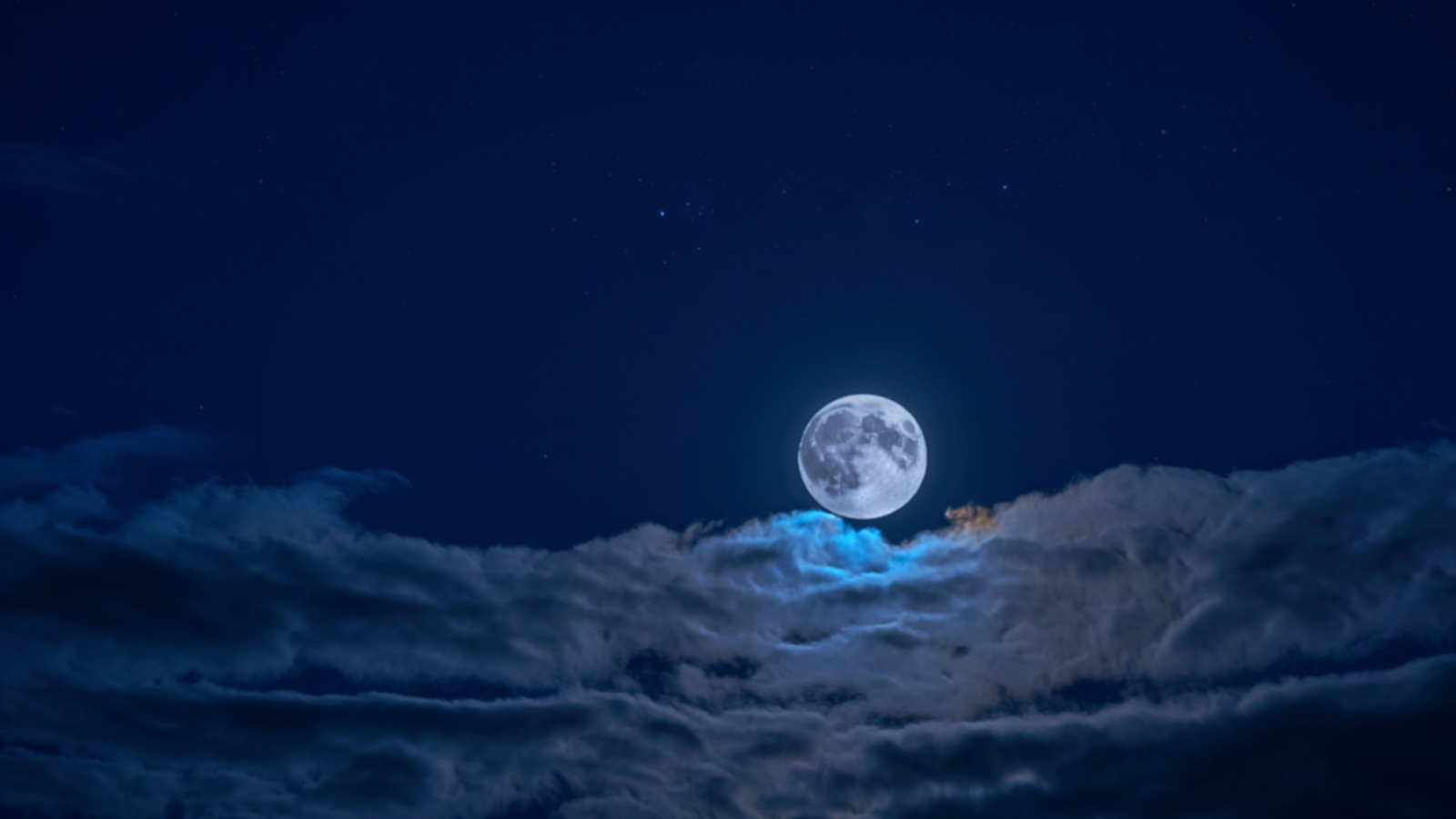
While the phrase "once in a blue moon" is commonly used in everyday language, it’s also worth noting the actual astronomical phenomenon of a blue moon. As previously mentioned, a blue moon occurs when there are two full moons in a single calendar month. This celestial event is not only a remarkable sight but also an opportunity for stargazers and enthusiasts to engage with the night sky.
The occurrence of a blue moon can serve as a reminder to appreciate the beauty and wonder of the universe. Many people take the time to observe the moon during this event, often celebrating with gatherings and festivities. Such practices foster a sense of community and connection, reinforcing the idea that while rare moments may be fleeting, they are also a source of joy and togetherness.
## Conclusion
The phrase "once in a blue moon" carries a rich history and cultural significance that transcends time. From its origins in the 16th century to its current usage as a metaphor for rarity, the term encapsulates the beauty of infrequent moments in our lives. Whether in personal experiences or broader societal issues, recognizing and cherishing these rare occasions can contribute to a deeper appreciation for life.
As we navigate the complexities of modern living, let us remember the importance of savoring those "once in a blue moon" experiences. They remind us to embrace the extraordinary amid the ordinary, encouraging us to find joy in the moments that truly matter. So the next time you hear the phrase, take a moment to reflect on the rarity and significance of the experiences it represents.