
Lyrid meteor shower peaks this week: UK skies set for bright spring display
Lyrid Meteor Shower Peaks This Week: UK Skies Set for Bright Spring Display
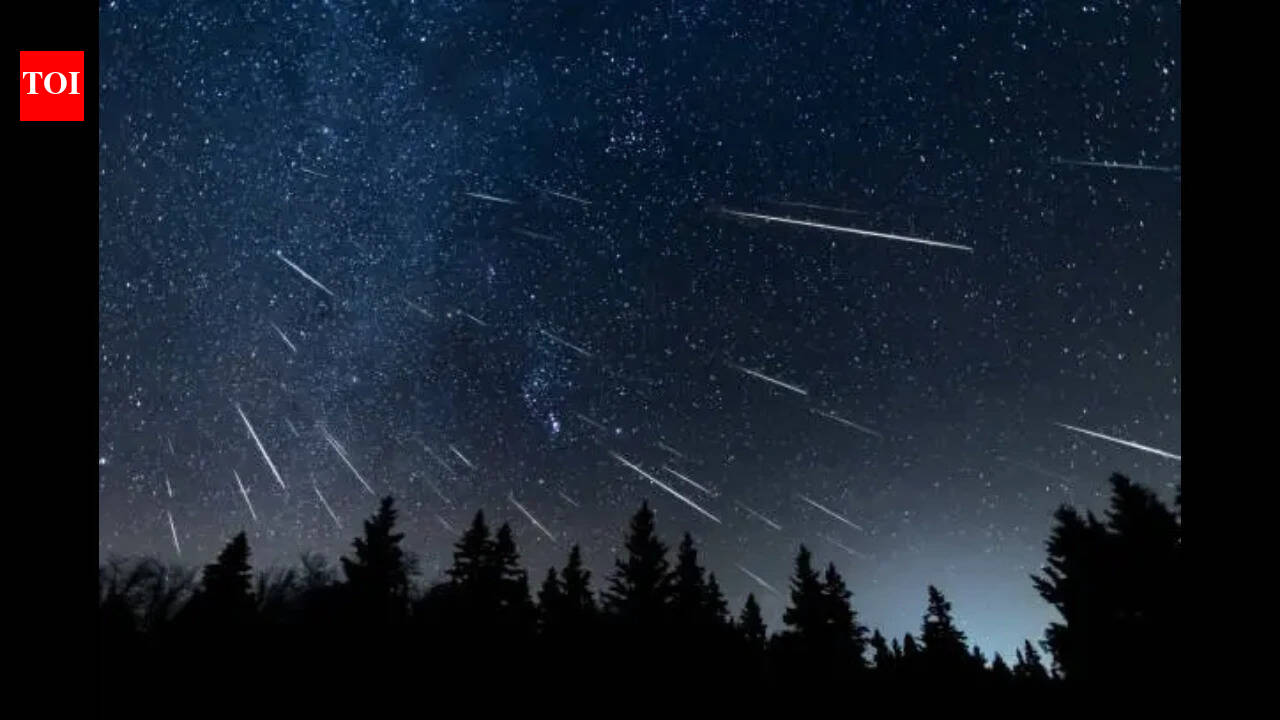
As spring unfolds and the nights grow warmer, stargazers across the UK are preparing for a celestial event that has captivated humanity for centuries. The annual Lyrid meteor shower is set to peak this week, providing an extraordinary opportunity for both seasoned astronomers and casual skywatchers alike to witness nature’s dazzling display. This year, the Lyrids promise to deliver a vibrant spectacle, illuminating the night sky with shooting stars that have inspired awe and wonder through the ages.
A Timeless Spectacle
The Lyrid meteor shower, one of the oldest recorded meteor showers in history, has been observed for over 2,600 years. Its name derives from the constellation Lyra, from which the meteors appear to originate. The shower typically peaks around April 16 to April 25, but this year, the most spectacular activity is expected to occur between April 20 and April 23. During this peak, viewers may catch a glimpse of up to 20 meteors per hour under optimal conditions.
The Lyrids are known for their bright and fast meteors, often leaving behind glowing trails in their wake. This year’s display is particularly promising, with a new moon on April 20, which will provide darker skies and enhance visibility. For those hoping to catch a glimpse of the meteors, the combination of a new moon and the Lyrids’ characteristic brilliance makes for an exceptional viewing opportunity.
Viewing Conditions: Tips for Stargazers
To make the most of this natural phenomenon, it’s essential to choose the right location and time for optimal viewing. Here are a few tips to enhance your meteor-watching experience:
1. **Find a Dark Location**: Light pollution from urban areas can diminish visibility. To observe the Lyrids in all their glory, seek out a rural area or a local park away from city lights.
2. **Check the Weather**: Clear skies are crucial for meteor watching. Before heading out, check local weather forecasts to ensure you have the best chance of seeing the meteors.
3. **Give Yourself Time**: Allow at least 30 minutes for your eyes to adjust to the dark. This will enhance your ability to spot the meteors as your eyes acclimate to lower light levels.
4. **Look Up**: While the meteors may appear to radiate from the Lyra constellation, they can be seen across the sky. Lay back comfortably and take in the entire expanse above you.
5. **Be Patient**: Meteor showers can be unpredictable. Some may come in bursts, while others may be sparse. It’s important to remain patient and enjoy the experience of stargazing.
The Science Behind the Lyrids
The Lyrid meteor shower originates from the debris left behind by Comet C/1861 G1 Thatcher. As the Earth passes through this trail of particles, small bits of dust enter our atmosphere at speeds reaching up to 110,000 miles per hour. This friction causes the meteors to ignite, creating the stunning streaks of light that we see in the night sky.
The Lyrids are unique in that they have been known to produce fireballs—bright, exploding meteors that can be visible for several seconds, often leaving a lasting impression on those fortunate enough to witness them. While they are typically less active than some of their counterparts, such as the Perseids or Geminids, their historical significance and the potential for stunning displays make them a beloved event among skywatchers.
Join the Celestial Celebration
This week’s Lyrid meteor shower offers not just a spectacle but also a chance to connect with the universe. For families, friends, and individuals looking to spend time outdoors, it’s an excellent opportunity to bond under the vastness of the night sky. Local astronomy clubs and organizations often host events during meteor showers, providing guided viewing sessions and educational talks about the science behind these celestial events.
As you prepare for your night of stargazing, consider bringing along a blanket, some snacks, and perhaps a telescope or binoculars if you have them. While you may not need them for the meteor shower itself, they can enhance your overall experience by allowing you to observe other celestial bodies, such as planets and stars.
Conclusion: A Night to Remember
With the Lyrid meteor shower set to peak this week, the skies above the UK are poised for a breathtaking display that shouldn’t be missed. Whether you’re a seasoned astronomer or new to stargazing, the opportunity to witness shooting stars against the backdrop of a darkened sky is a magical experience that can inspire wonder and curiosity about the universe.
So gather your loved ones, find a quiet spot, and prepare to be amazed by the beauty of the cosmos. The Lyrids, with their rich history and scintillating brilliance, remind us of the wonders that lie beyond our planet, inviting us to look up and dream.