Mission Unaccomplished: Trump’s Gulf gamble runs aground as Iran survives American assault
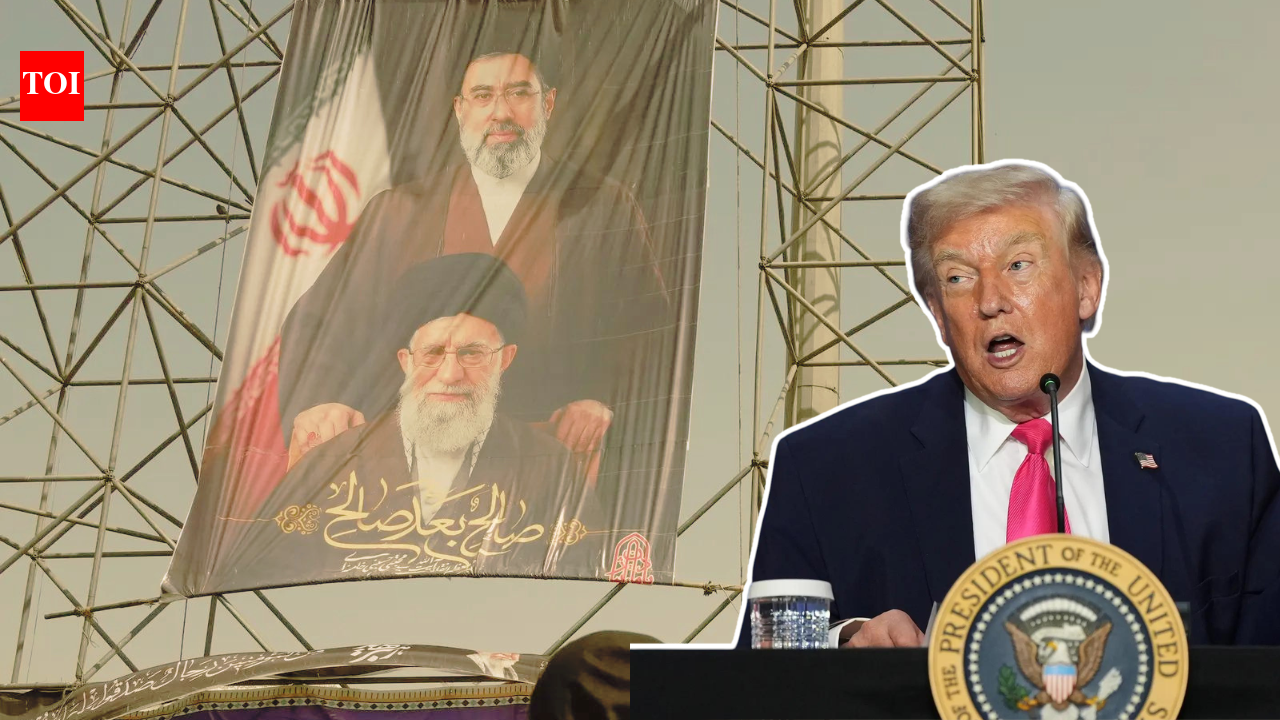
# Mission Unaccomplished: Trump’s Gulf Gamble Runs Aground as Iran Survives American Assault
## Introduction
In the complex landscape of international relations, few dynamics are as intricate as those between the United States and Iran. The recent developments surrounding the U.S.-Iran negotiations have sent ripples through the geopolitical fabric of the Middle East, raising questions about the effectiveness of American foreign policy in the region. As President Trump’s administration sought to exert pressure on Iran, the unexpected resilience of the Iranian regime has left many analysts re-evaluating the effectiveness of these strategies. This article explores the evolving U.S.-Iran relationship, the implications of a potential deal, and the reactions from various stakeholders, shedding light on a situation that continues to evolve.
## The U.S.-Iran Relationship: A Historical Overview
The relationship between the United States and Iran has been fraught with tension since the 1979 Iranian Revolution, which resulted in the overthrow of the U.S.-backed Shah and the establishment of the Islamic Republic. Over the years, this strained relationship has led to a series of confrontations, including the Iran Hostage Crisis, economic sanctions, and military confrontations in the Gulf region.
In recent years, the Trump administration adopted a more aggressive stance towards Iran, culminating in the withdrawal from the Joint Comprehensive Plan of Action (JCPOA) in 2018. This decision aimed to curb Iran's nuclear ambitions, but it also led to heightened tensions and a cycle of retaliatory measures. As the administration's strategies began to unfold, it became clear that the path to a tangible resolution was fraught with challenges.
## The Current State of U.S.-Iran Negotiations
As of late 2023, discussions regarding a potential deal between the U.S. and Iran have gained momentum, although no formal agreement has been announced. Reports suggest that both sides are exploring avenues for dialogue, with the possibility of easing sanctions in exchange for Iran's compliance with nuclear regulations. However, the details remain murky, and the political landscape is as volatile as ever.
The emergence of these negotiations has generated a wave of concern among hawkish factions within U.S. political circles, particularly those who have long advocated for a hardline approach towards Iran. These groups fear that any concessions made to Tehran could undermine U.S. interests in the region and embolden Iran's influence.
## The Iranian Perspective
From Tehran's standpoint, the potential for a U.S.-Iran deal presents an opportunity to alleviate the crippling economic sanctions that have severely impacted the Iranian economy. The Iranian leadership has historically portrayed itself as a resilient entity, capable of weathering external pressures. As negotiations progress, officials in Iran have indicated a willingness to engage in dialogue, provided that their core interests are respected.
Iran's survival of U.S. pressure tactics is a testament to its complex political landscape and the determination of its leadership. While the Iranian public has faced significant hardship due to sanctions, the government has managed to maintain a degree of control, leveraging nationalism and anti-Western sentiment to rally support.
## Reactions from the International Community
The prospect of a U.S.-Iran deal has elicited mixed reactions from the international community. European allies, who played a crucial role in the original JCPOA negotiations, have expressed cautious optimism. They view renewed discussions as a chance to stabilize the region and prevent a nuclear escalation.
Conversely, regional powers such as Saudi Arabia and Israel have voiced strong opposition to any agreement perceived as favorable to Iran. Both nations have long viewed Iran as a strategic threat, and they fear that easing sanctions could embolden Tehran's regional ambitions. The delicate balance of power in the Gulf region hangs in the balance, with various nations closely monitoring the negotiations.
## The Domestic Political Landscape in the U.S.
In the United States, the political implications of a potential U.S.-Iran deal are profound. The Biden administration's approach to Iran marks a stark departure from that of Trump, emphasizing diplomacy over confrontation. However, this strategy is not without its critics. Republican lawmakers and some Democrats have expressed skepticism regarding the administration's ability to secure a robust deal that adequately addresses Iran's nuclear ambitions and regional activities.
The polarization surrounding Iran policy reflects broader ideological divides within U.S. politics. For some, any engagement with Tehran is seen as a betrayal of American interests, while others argue that diplomacy is the only viable path forward in a region characterized by instability and conflict.
## The Economic Implications
The economic ramifications of U.S.-Iran negotiations extend beyond the immediate parties involved. A successful deal could lead to a significant shift in the global oil market, as Iranian oil exports could resume. This development would have far-reaching implications for oil prices and energy security, particularly in a world grappling with the impacts of climate change and the transition to renewable energy sources.
Furthermore, the Iranian economy, which has struggled under the weight of sanctions, could experience a revival, impacting regional trade dynamics and potentially fostering greater cooperation among Middle Eastern countries.
## The Role of Public Opinion
Public opinion plays a pivotal role in shaping foreign policy, and the U.S.-Iran negotiations are no exception. Surveys indicate that American attitudes towards Iran remain divided, with a significant portion of the population advocating for a diplomatic resolution to the longstanding conflict. However, fear of potential nuclear proliferation and regional instability continues to drive skepticism.
Engaging the American public in discussions about U.S.-Iran relations is crucial for fostering a more informed dialogue. As the negotiations unfold, transparency and clear communication from the government will be essential in navigating public sentiment and ensuring support for any potential agreement.
## Conclusion
As the U.S.-Iran negotiations continue to evolve, the future of this long-standing conflict remains uncertain. The resilience of the Iranian regime in the face of American pressure has raised questions about the effectiveness of traditional foreign policy approaches. While the prospect of a deal offers hope for a resolution, the complexities of the geopolitical landscape, domestic political dynamics, and regional rivalries present significant challenges.
In this ever-changing environment, it is imperative for stakeholders on both sides to engage in constructive dialogue, prioritizing diplomacy over escalation. The outcome of these negotiations could shape the Middle East for years to come, making it essential for all parties to approach the situation with a commitment to peace and stability. As the world watches closely, the unfolding narrative of U.S.-Iran relations will undoubtedly remain a focal point of international attention.