
Months after snubbing Trump’s ‘Operation Epic Fury’, Nato weighs Hormuz mission to protect ships
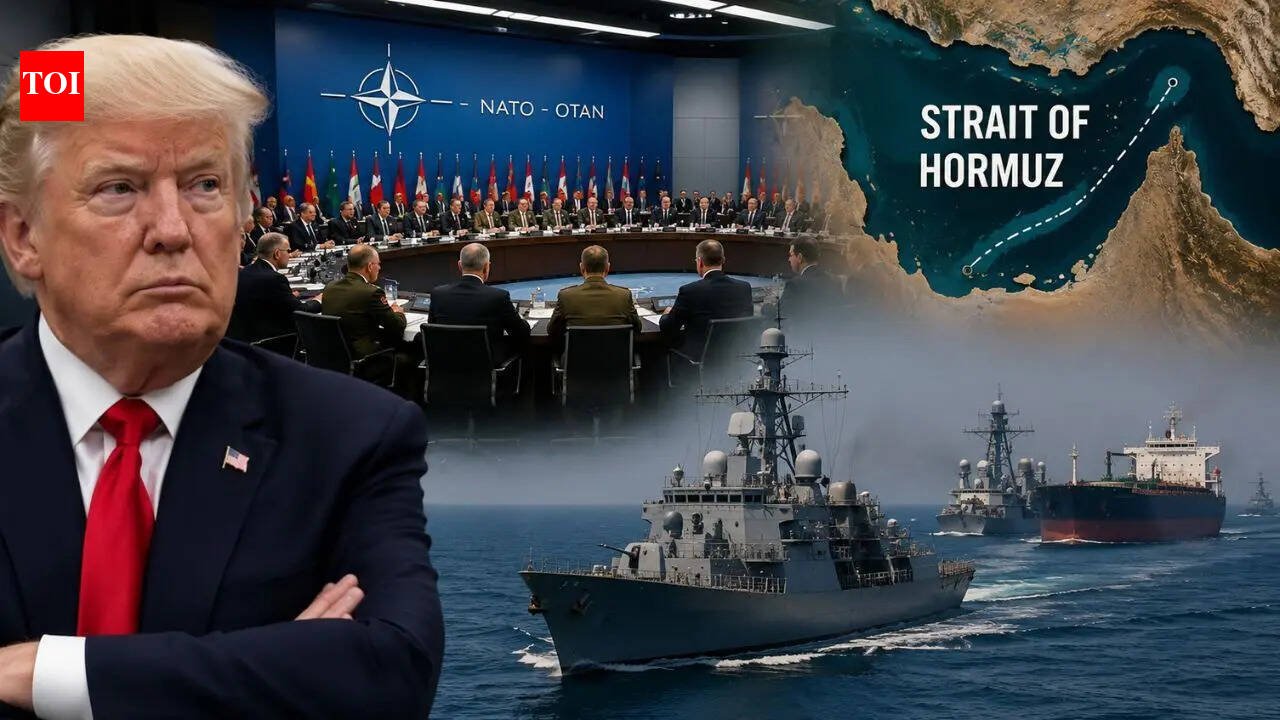
# NATO Considers Mission to Protect Commercial Shipping in Hormuz Amid Rising Tensions
In a world where geopolitical tensions often threaten global trade, the North Atlantic Treaty Organization (NATO) is now contemplating a significant mission to safeguard commercial shipping in the Strait of Hormuz. This critical waterway, which connects the Persian Gulf with the Gulf of Oman, is a vital artery for global oil supplies and other commercial goods. The discussions come months after NATO's dismissal of former President Donald Trump’s proposed initiative, dubbed "Operation Epic Fury," which aimed to enhance maritime security in the region. As threats to shipping lanes increase, NATO’s renewed focus on the Hormuz mission underscores the alliance's commitment to stability in an increasingly volatile landscape.
## The Strategic Importance of the Strait of Hormuz
The Strait of Hormuz is one of the most crucial maritime chokepoints in the world. Approximately 20% of the global oil trade passes through this narrow passage, making it a focal point for international shipping and energy security. The region has witnessed heightened tensions in recent years, particularly between Iran and several Western nations, leading to concerns over the safety of vessels traversing these waters. With the potential for conflict escalating, the need for a robust maritime security presence has become paramount.
## NATO's Shift in Focus
NATO's recent discussions regarding a potential mission in the Strait of Hormuz signify a shift in the alliance's focus on global maritime security. Previously, NATO had been hesitant to engage directly in the region, particularly after the Trump administration's proposal for "Operation Epic Fury" was met with skepticism from several member states. The operation aimed to establish a coalition to protect ships in the region but was ultimately sidelined due to differing priorities among member nations.
However, the current geopolitical landscape has prompted NATO to reevaluate its stance. Recent incidents, including attacks on commercial vessels and rising tensions with Iran, have highlighted the vulnerabilities in the region. As global energy supplies remain precarious, NATO's consideration of a maritime mission reflects an urgent need to ensure safe passage for commercial shipping.
## The Role of Member Nations
As NATO weighs its options, the involvement of various member nations will be crucial in shaping the mission's parameters. Countries with significant naval capabilities, such as the United States, the United Kingdom, and France, are likely to play pivotal roles in any potential deployment. However, the alliance must also navigate the complexities of international relations, especially with nations that may view NATO's presence in the region with suspicion.
U.S. Involvement and Global Implications
The United States has historically been a key player in maintaining maritime security in the Strait of Hormuz. Following the Trump administration's withdrawal from the Joint Comprehensive Plan of Action (JCPOA) and subsequent sanctions on Iran, tensions have escalated, leading to an increase in hostile encounters in the region. As NATO considers a potential mission, the U.S. will likely be instrumental in providing logistical support and intelligence-sharing.
Moreover, NATO's involvement could have broader implications for global energy markets. A secure shipping route through the Strait of Hormuz would not only stabilize oil prices but also reassure global markets of the reliability of energy supplies. This is particularly critical as countries worldwide transition towards renewable energy sources and seek to minimize their dependence on fossil fuels.
## Potential Challenges and Considerations
While NATO's discussions regarding a Hormuz mission present an opportunity to enhance maritime security, several challenges must be addressed. One significant concern is the potential for escalating tensions with Iran. The country has a vested interest in maintaining control over the Strait of Hormuz and has previously threatened to disrupt shipping lanes in response to perceived provocations.
In addition, navigating the diverse political landscape of NATO member countries will be essential. Differences in national priorities and military capabilities could complicate the alliance's unified response. Consensus-building will be crucial to ensure that any mission is well-coordinated and effective.
International Cooperation
To bolster the effectiveness of a NATO mission, cooperation with regional partners will be vital. Countries such as the United Arab Emirates, Saudi Arabia, and Oman have a vested interest in maintaining stability in the Strait of Hormuz. Collaborative efforts with these nations can enhance operational capabilities and provide valuable local insights into the region's dynamics.
Furthermore, engaging with other international organizations, such as the United Nations, could lend legitimacy to NATO's efforts and facilitate a broader coalition to address maritime security concerns. A multilateral approach may help mitigate tensions and foster an environment conducive to diplomatic solutions.
## The Future of NATO's Maritime Security Strategy
As NATO continues to deliberate on its potential mission in the Strait of Hormuz, the alliance must consider the long-term implications of its maritime security strategy. In an era of increasing globalization, the security of shipping routes is critical not only for economic stability but also for international relations.
NATO's renewed focus on the Hormuz mission could signal a broader commitment to addressing maritime security challenges, not just in the Persian Gulf but across other strategic waterways worldwide. As competition for resources intensifies and geopolitical rivalries evolve, the alliance's adaptability will be crucial in maintaining peace and stability.
## Conclusion
The prospect of NATO deploying forces to protect commercial shipping in the Strait of Hormuz reflects the alliance's responsiveness to emerging global threats. As the world grapples with increasing uncertainty and geopolitical tensions, ensuring the safety of vital maritime routes has never been more critical. While challenges remain, NATO's considerations offer a path toward enhanced security and stability in a region that is pivotal for global trade. As discussions progress, the alliance's actions in the coming months will have far-reaching implications for international maritime security, economic resilience, and geopolitical dynamics in the 21st century.