
Nearly 100 Huts Demolished In Mumbai's Bandra, Drive To Continue Tomorrow
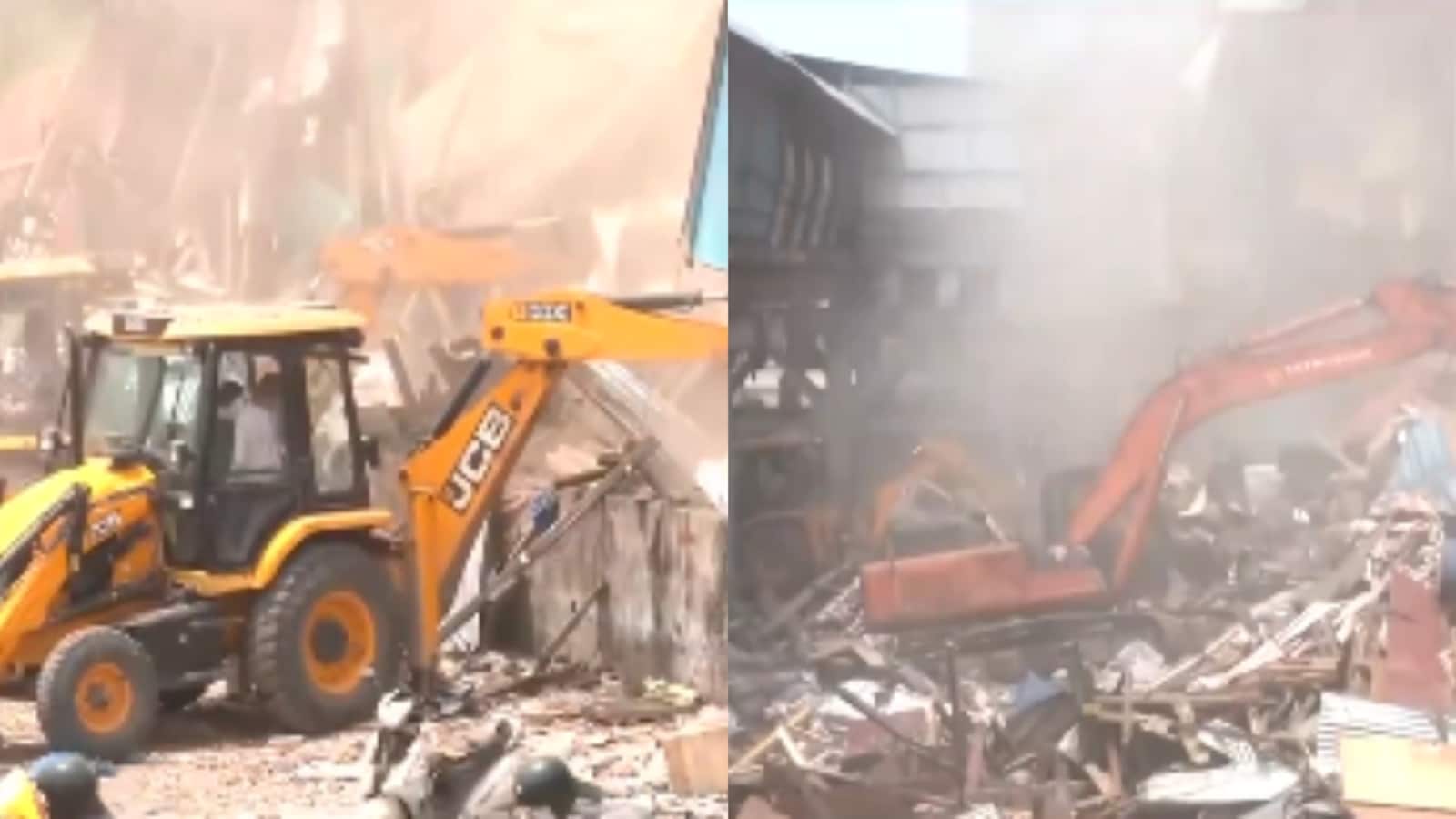
# Nearly 100 Huts Demolished in Mumbai's Bandra: Drive Set to Continue Tomorrow
In a significant move aimed at enhancing urban infrastructure and ensuring safety standards, authorities in Mumbai have initiated a demolition drive in Bandra, resulting in the dismantling of nearly 100 huts. This operation is part of a broader initiative focused on reclaiming land within the railway safety zone, a critical aspect for the city's future capacity augmentation projects. With the drive expected to continue tomorrow, local residents and stakeholders are closely monitoring developments as the city grapples with the challenges of urbanization.
## The Context Behind the Demolition Drive
Chief Public Relations Officer Vineet Abhishek confirmed to PTI that the demolition exercise is part of a five-day initiative aimed at freeing up approximately 5,300 square meters of land. This area is deemed essential for ensuring safety around railway operations and facilitating future infrastructure projects that are crucial for Mumbai's burgeoning population.
As one of India's most populous cities, Mumbai is continually facing the dual challenges of maintaining safety standards while accommodating rapid urban growth. The railway network, a lifeline for millions of commuters, requires ongoing enhancements to meet increasing demand. This drive is a proactive step towards achieving that goal.
## Impact on Local Residents
The demolition of nearly 100 huts in Bandra has raised concerns among local residents, many of whom have lived in these structures for years. The huts, often home to low-income families, serve as a testament to the city's complex socio-economic landscape. The sudden removal has left many residents anxious about their future housing situation and the lack of alternative accommodation.
Local community leaders have voiced their frustrations, expressing the need for a more comprehensive approach to urban development that considers the needs of vulnerable populations. They argue that while safety and infrastructure are paramount, the displacement of residents should be handled with empathy and a focus on providing viable alternatives.
## The Role of Urban Planning in Mumbai’s Growth
Mumbai's urban planning challenges are not new. The city, known for its vibrant culture and economic opportunities, has long struggled with issues stemming from inadequate infrastructure and unregulated construction. As the population continues to swell, the need for effective urban policies becomes increasingly pressing.
The current demolition drive highlights the critical intersection of safety and urban planning. By reclaiming land within the railway safety zone, authorities aim to create room for future developments that could enhance the overall transportation network. However, this raises questions about how urban planners can balance safety with the housing needs of the city's diverse population.
## Future Plans for Bandra’s Railway Zone
The land being cleared in Bandra is envisioned as a key component of upcoming capacity augmentation projects. These projects aim to not only improve the efficiency of the railway network but also enhance the overall commuting experience for millions of residents.
As part of this broader initiative, officials are exploring various upgrades, including the expansion of existing railway lines, the introduction of new services, and enhancements to station infrastructure. These improvements are designed to alleviate congestion, reduce travel times, and ultimately foster a more reliable transportation system.
## Community Response and Ongoing Developments
As news of the demolition spreads, community organizations and activists are mobilizing to advocate for the rights of displaced residents. Many are calling for a transparent dialogue with local authorities to ensure that the voices of affected individuals are heard in the planning process.
Local leaders are also emphasizing the importance of providing support services for those impacted by the demolitions. Initiatives could include temporary housing solutions, job placement programs, and access to social services. By addressing these issues head-on, the city can work towards a more inclusive approach to urban development.
## The Bigger Picture: Urbanization in Mumbai
Mumbai's current situation is emblematic of broader trends in urbanization across India. As cities expand rapidly, the demand for land, housing, and infrastructure is intensifying. The challenge lies in developing effective policies that address safety, sustainability, and social equity.
In recent years, several Indian cities have experienced similar conflicts between urban development and the rights of residents in informal settlements. As authorities navigate these complex landscapes, the lessons learned from Mumbai's ongoing developments could serve as valuable insights for other urban centers facing parallel challenges.
## Conclusion: A Call for Balanced Urban Development
The demolition drive in Bandra is a critical step towards enhancing railway safety and expanding Mumbai's infrastructure capabilities. However, it also underscores the urgent need for a balanced approach to urban development—one that considers the needs of all residents, particularly those in vulnerable situations.
As the drive continues, it is essential for local authorities to engage with the community, ensuring that adequate support systems are in place for those affected. By fostering a dialogue between residents and officials, Mumbai can pave the way for a more inclusive urban landscape that prioritizes both safety and the well-being of its diverse population.
In the coming days, all eyes will be on Bandra as the demolition drive progresses. Stakeholders will be hoping for a resolution that not only addresses immediate safety concerns but also sets a precedent for future urban development initiatives in this bustling metropolis.