
NEET-UG paper leak: Doctors’ body moves Supreme Court to make NTA a statutory body accountable to Parliament
# NEET-UG Paper Leak: United Doctors Front Appeals to Supreme Court for NTA Accountability
In a significant development shaking the foundation of medical education in India, the United Doctors Front (UDF) has taken a bold step by appealing to the Supreme Court. The organization seeks to hold the National Testing Agency (NTA) accountable for its role in the recent NEET-UG paper leak incident. This move highlights not only the serious implications of such systemic failures but also calls for urgent reforms to ensure the integrity of the examination process that serves as a gateway for aspiring medical students across the nation.
## Understanding the NEET-UG Examination and Its Importance
The National Eligibility cum Entrance Test for Undergraduate courses, commonly known as NEET-UG, is a pivotal examination for students seeking admission to medical colleges in India. Conducted by the NTA, the exam is crucial as it determines the future of countless aspiring doctors. Given its significance, the integrity of the examination process is paramount.
However, recent events have raised serious concerns about the security and credibility of the NEET-UG examination. The leak of the question paper not only undermines the trust of students and parents but also casts a shadow over the entire medical education system in the country.
## The Paper Leak Incident: A Wake-Up Call
In the wake of the paper leak, the United Doctors Front has voiced its discontent regarding the NTA's operational transparency. The UDF argues that the incident is indicative of systemic failures within the agency, which is responsible for conducting several high-stakes examinations in India. The leak has prompted questions about the effectiveness of the current safeguards in place to protect the integrity of the examination process.
Medical professionals and students alike have expressed outrage over the incident, fearing that it could lead to a compromised selection process for future doctors. The UDF's decision to approach the Supreme Court aims to address these concerns head-on by advocating for the NTA to be made a statutory body, thereby holding it accountable to Parliament.
## The Call for NTA to Be Statutory
The UDF's appeal to the Supreme Court is centered around the idea that the NTA should be established as a statutory authority. This would mean that the agency would operate under specific legal frameworks, ensuring greater accountability and transparency. By coming under the purview of parliamentary oversight, the NTA would be obligated to adhere to stringent guidelines, thereby enhancing the credibility of the examination process.
In its petition, the UDF has highlighted the need for a robust framework that addresses the vulnerabilities in the examination system. The organization points out that making the NTA a statutory body would not only help restore public confidence but also ensure that such incidents of malpractice do not occur in the future.
## The Implications of the NEET-UG Paper Leak
The implications of the NEET-UG paper leak extend far beyond the immediate scandal. For students, the leak raises questions about fairness and meritocracy in the medical admissions process. Many aspiring medical students invest years of hard work and dedication to prepare for the NEET-UG, and incidents like these can severely undermine their efforts.
Moreover, the leak also poses a threat to the integrity of the medical profession as a whole. If the admission process is perceived as flawed or corrupt, it could lead to a decline in public trust in medical professionals. This erosion of trust could have long-lasting repercussions on the healthcare system, affecting patient care and outcomes.
## A Wider Call for Reforms in Medical Education
The UDF's petition is not just about addressing the immediate fallout from the NEET-UG paper leak; it also serves as a call for broader reforms in medical education. The organization emphasizes the need for a comprehensive review of the testing and admissions process in India. This includes enhancing security protocols, improving technology used in examinations, and ensuring that there are stringent consequences for those involved in malpractices.
By advocating for these reforms, the UDF aims to create a more equitable and reliable system that prioritizes merit and integrity. The medical profession holds a crucial position in society, and it is essential that the pathways to becoming a doctor reflect the highest standards of excellence.
## Public Reaction and Support for UDF's Appeal
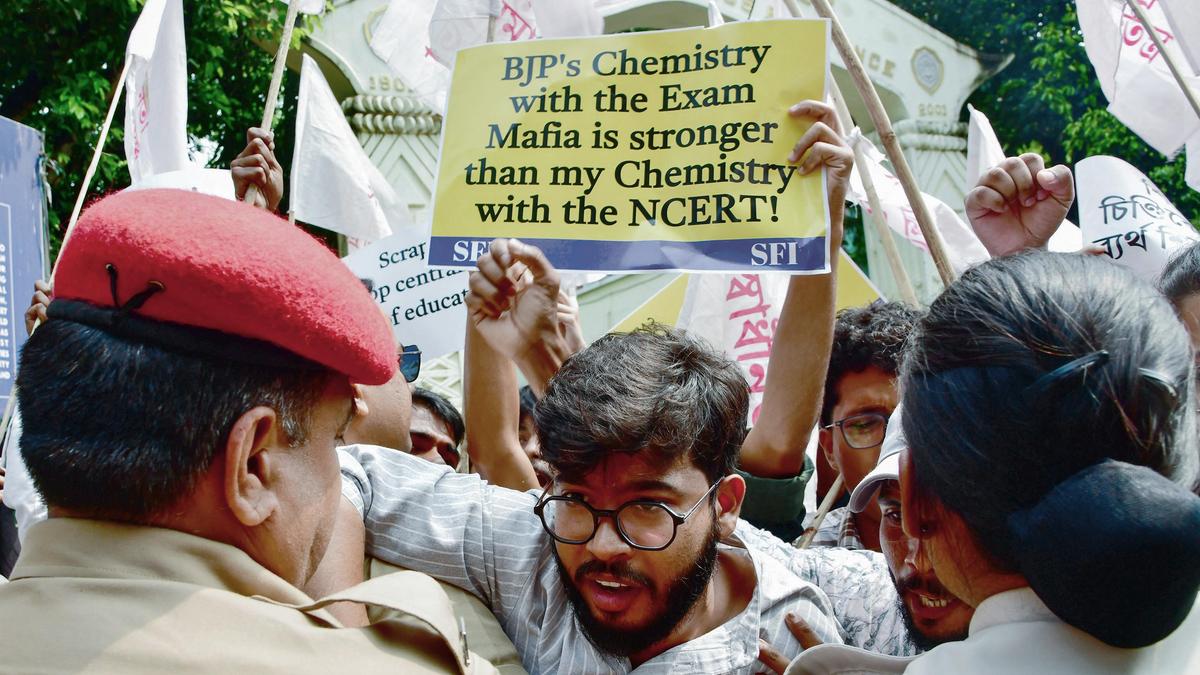
The UDF's appeal to the Supreme Court has garnered significant support from various segments of society. Many medical professionals, students, and parents have rallied behind the cause, recognizing the importance of accountability in the examination process. Social media platforms have been flooded with discussions about the need for reform, and petitions calling for a thorough investigation into the paper leak have gained traction.
The public support underscores a collective demand for change in the medical education landscape. People are increasingly vocal about their expectations for a transparent and fair examination system, and the UDF's actions resonate with a broader desire for accountability across all sectors.
## Conclusion: A Crucial Moment for Medical Education in India
The NEET-UG paper leak incident has sparked a critical dialogue about accountability and integrity within the medical education system in India. The United Doctors Front's appeal to the Supreme Court serves as a pivotal moment, emphasizing the urgent need for reforms to safeguard the examination process.
As the case unfolds, it is essential for all stakeholders—students, educators, and policymakers—to come together to address the issues at hand. The future of countless aspiring doctors hangs in the balance, and it is imperative that the system is fortified against corruption and malpractice.
In conclusion, the call for the NTA to be established as a statutory body is not merely a reaction to a scandal; it is a necessary step toward ensuring that the values of fairness, transparency, and integrity are upheld in the medical education system. As the UDF continues its fight for accountability, the hope remains that this incident will lead to lasting changes that benefit future generations of medical professionals.