
‘Pay or risk attack’: Inside Iran’s strict new ‘pay-to-pass’ Hormuz shipping protocol
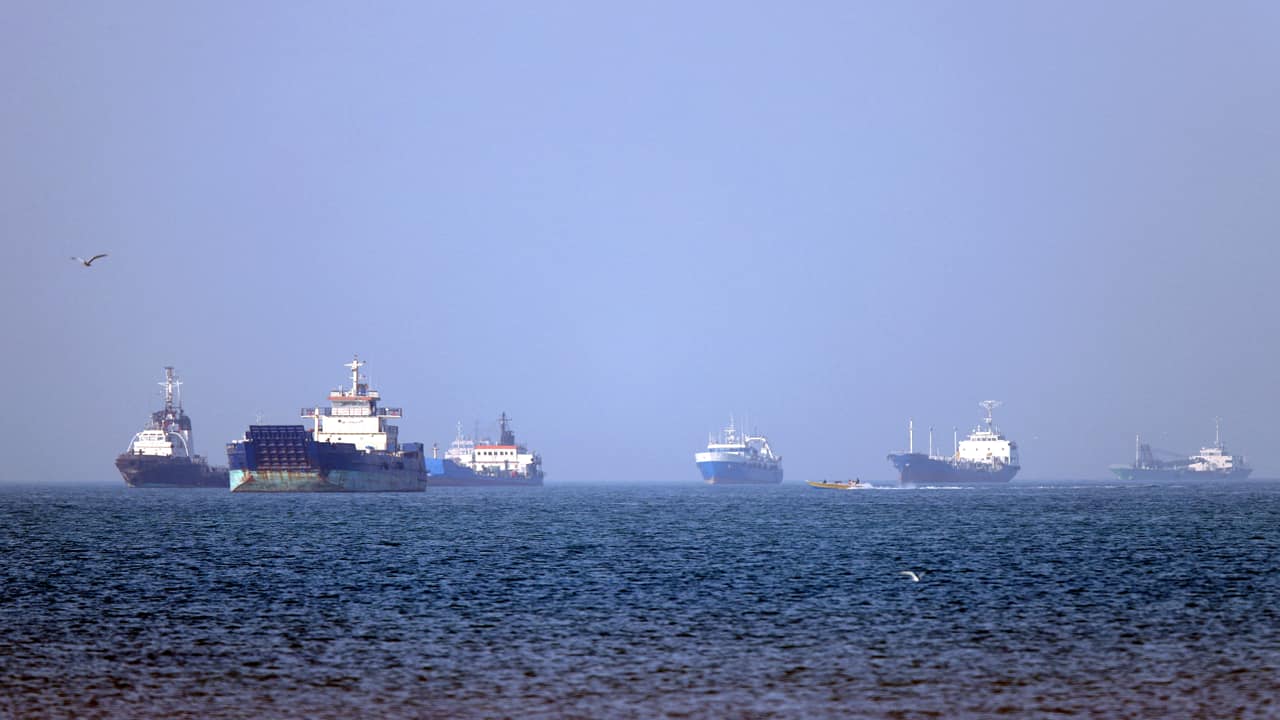
# ‘Pay or Risk Attack’: Inside Iran’s Strict New ‘Pay-to-Pass’ Hormuz Shipping Protocol
## Introduction: A New Era of Maritime Tension
As the global oil market continues to grapple with supply chain uncertainties, Iran has unveiled a controversial new shipping protocol in the Strait of Hormuz that has sent shockwaves through international trade. Dubbed the "pay-to-pass" system, these stringent regulations require vessels transiting the busy waterway to pay Iran for safe passage, sparking fears of heightened tensions and potential disruptions to global oil supply. This development comes at a time when relations between Iran and the United States remain fraught, leading to speculation about the implications for maritime security and global oil prices.
In this article, we will delve into the details of Iran's new shipping protocol, its potential impact on the global oil market, and the broader geopolitical context in which these changes are taking place.
## Iran's New Shipping Protocol Explained
The Strait of Hormuz is one of the most strategically significant waterways in the world, with approximately 20% of the global oil trade passing through its narrow channels. In recent weeks, Iran has implemented a series of new transit rules that require vessels to pay a fee to ensure safe passage through this vital corridor. This new policy has raised alarms among shipping companies and countries reliant on oil imports, leading to concerns over the potential for increased piracy and maritime confrontations.
According to Iranian officials, the new protocol is intended to enhance security in the region and protect Iranian territorial waters from foreign interference. However, critics argue that this rule is a thinly veiled attempt by the Iranian government to exert control over a critical global trade route and generate revenue amid increasing economic sanctions.
The Implications for Global Oil Trade
The introduction of the "pay-to-pass" system could have significant repercussions for the global oil market. Analysts are already warning that the added costs associated with this new protocol could lead to higher shipping rates, driving up oil prices worldwide. Given that many nations rely heavily on oil imports to fuel their economies, any disruption in supply or increase in costs could have a cascading effect on global markets.
Furthermore, the potential for harassment or attacks on vessels that refuse to comply with Iran's new regulations raises the specter of increased maritime conflict in the region. With tensions already high between the U.S. and Iran, the possibility of military confrontations at sea could exacerbate an already volatile situation, potentially impacting the safety of shipping routes and the stability of oil prices.
Geopolitical Context: Rising Tensions between Iran and the U.S.
To fully understand the implications of Iran's new shipping protocol, it is essential to consider the broader geopolitical landscape. The U.S. has been engaged in a long-standing campaign of sanctions against Iran, aimed at curbing its nuclear program and reducing its influence in the Middle East. These sanctions have significantly impacted Iran's economy, leading to increased desperation and aggressive posturing from the Iranian government.
In response to U.S. sanctions, Iran has frequently threatened to block the Strait of Hormuz, a move that would have dire consequences for global oil supply. This latest development in shipping regulations can be seen as part of Iran's strategy to assert its dominance in the region and challenge U.S. influence. As nations grapple with the implications of these new rules, it is crucial to keep a close eye on how this situation unfolds.
The Response from the International Community
In light of Iran's new "pay-to-pass" shipping protocol, the international community has begun to voice its concerns. Several countries that rely on oil imports have issued statements condemning Iran's actions and calling for a unified response to ensure the continued free flow of maritime trade. Shipping companies are also taking steps to assess the risks associated with transiting through the Strait of Hormuz, with some considering alternative routes to avoid potential confrontations.
Additionally, the U.S. has reiterated its commitment to ensuring the security of maritime trade in the region. American military forces have been conducting operations in the Gulf to deter Iranian aggression, signaling that the U.S. will not tolerate any threats to international shipping. However, the effectiveness of these measures remains to be seen, as Iran has demonstrated a willingness to push back against perceived foreign encroachments.
Navigating Uncertainty: What Lies Ahead?
The introduction of Iran's new shipping protocol has created a climate of uncertainty for maritime trade in the Strait of Hormuz. As shipping companies weigh the risks associated with compliance versus non-compliance, the potential for increased costs and disruptions looms large. Moreover, the ongoing geopolitical tensions between the U.S. and Iran complicate the situation, with both sides seemingly poised for confrontation.
In the coming months, it will be important for industry stakeholders, governments, and analysts to monitor the situation closely. The implications of Iran's actions extend far beyond the Strait of Hormuz, with potential ramifications for global oil prices, shipping costs, and international relations.
Conclusion: The Future of Maritime Trade in the Gulf
Iran's new "pay-to-pass" shipping protocol marks a significant escalation in the ongoing tensions in the Strait of Hormuz. As the world watches closely, the potential for heightened conflict and disruption to global oil trade remains a pressing concern. The international community must come together to address these challenges, ensuring that the free flow of maritime trade continues while maintaining regional stability.
In an era of increasing geopolitical uncertainty, it is essential for stakeholders to remain vigilant and proactive in navigating these complex waters. The future of maritime trade in the Gulf hangs in the balance, and how nations respond to Iran's new regulations will shape the dynamics of the global oil market for years to come.