
Piracy, state terrorism: Iran's big charges against US as ceasefire nears end
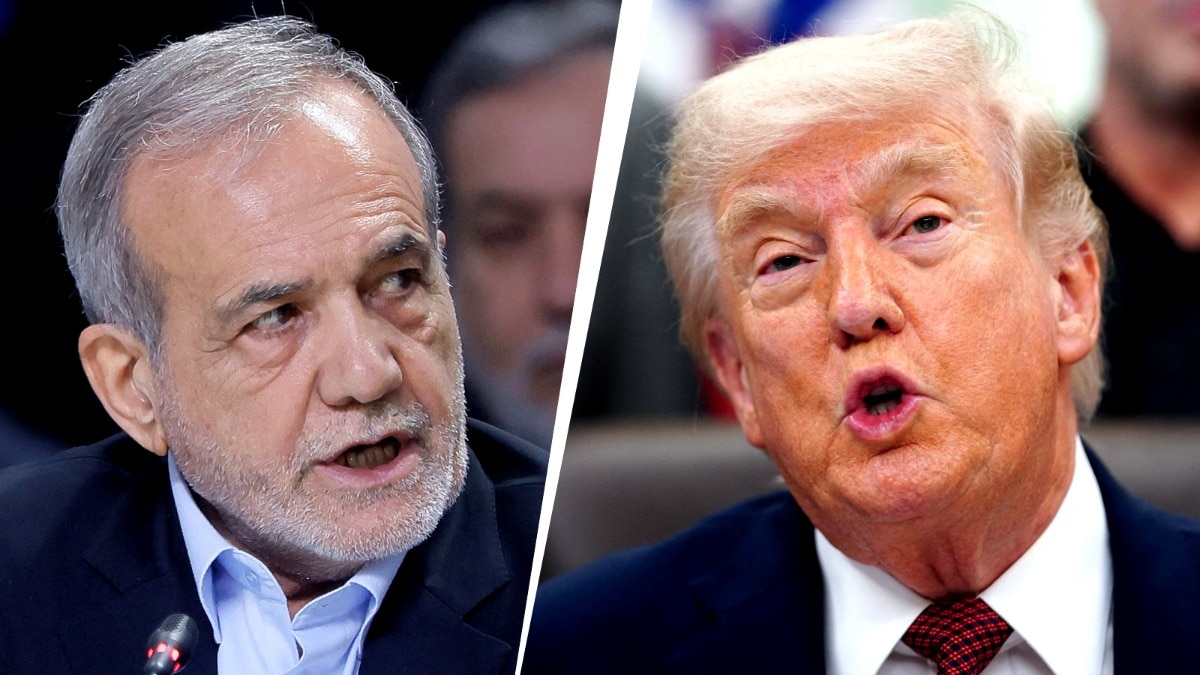
Piracy, State Terrorism: Iran's Big Charges Against US as Ceasefire Nears End
As tensions rise in the Middle East, Iran has leveled serious accusations against the United States, describing Washington's recent actions in the Strait of Hormuz as "piracy at sea and state terrorism." This declaration comes as a two-week ceasefire is set to expire tonight, leaving the international community on edge regarding the potential for renewed conflict in the region. With Iran contemplating its participation in crucial peace talks in Pakistan, the stakes have never been higher.
The Context of Rising Tensions
The Strait of Hormuz is a vital waterway through which approximately 20% of the world's oil passes, making it a hotspot for geopolitical tensions. The recent U.S. seizure of Iranian vessels has rekindled fears of conflict, with Iran asserting that such actions violate international law and threaten regional stability. Iranian officials have expressed their outrage, claiming that these maneuvers serve as a stark reminder of the U.S.’s aggressive foreign policy and its implications for peace in the Middle East.
The ongoing ceasefire, which was brokered to allow for negotiations and humanitarian aid, has provided a temporary reprieve from escalated hostilities. However, as the deadline approaches, Iran's leadership faces mounting pressure to respond decisively to U.S. actions. The Iranian government has indicated that it may use this moment to reevaluate its participation in the peace talks scheduled to take place in Pakistan, which are aimed at fostering dialogue and reducing tensions in the region.
Iran's Position and Potential Consequences
Iran's characterization of the U.S. actions as "piracy" reflects a broader narrative of victimization that the Iranian government has cultivated, both domestically and internationally. By framing the U.S. as an aggressor, Iran seeks to rally support from its allies and create a unified front against perceived Western imperialism. This rhetoric is particularly potent in a region where many nations are wary of U.S. influence and intervention.
The prospect of Iran stepping back from the peace talks raises critical questions about the future of diplomatic efforts in the region. Experts suggest that a failure to engage in dialogue could lead to a resurgence of military confrontations, potentially destabilizing not only Iran but also its neighboring countries. The ramifications of such a scenario would be felt far beyond the Middle East, affecting global oil prices and international relations.
The Global Response and Implications for Peace
As Iran weighs its options, the international community is closely monitoring the situation. Countries with vested interests in the region, including allies of both Iran and the U.S., are urging restraint and a commitment to dialogue. The United Nations has emphasized the importance of diplomacy in resolving disputes and has called for both sides to adhere to the terms of the ceasefire to avoid further escalation.
The U.S. has maintained that its actions in the Strait of Hormuz are necessary to ensure maritime security and protect against threats to international shipping. However, the Iranian response underscores the complex dynamics at play, where each action is viewed through a lens of historical grievances and power struggles. The potential for miscalculations or provocations remains high, especially as both nations navigate a landscape marked by deep mistrust.
Conclusion: A Critical Juncture for Diplomacy
As the ceasefire nears its conclusion, the decision by Iran regarding its participation in the peace talks could have far-reaching implications. With accusations of piracy and state terrorism flying between the U.S. and Iran, the pathway to a sustainable peace appears fraught with challenges. The international community must act swiftly to encourage dialogue and prevent the situation from spiraling into renewed conflict.
In this critical juncture, the focus should remain on diplomacy and the importance of constructive engagement. A sustained commitment to peace talks may yet provide a framework for addressing the underlying issues that fuel tensions in the region. Without such efforts, the specter of conflict looms large, threatening not only the stability of the Middle East but also the broader global order. As we await Iran's decision, the world watches closely, hopeful for a commitment to dialogue amidst the rising tide of rhetoric and confrontation.