
PM Modi’s UAE visit: How India will benefit from agreements on strategic petroleum reserves, LPG - explained
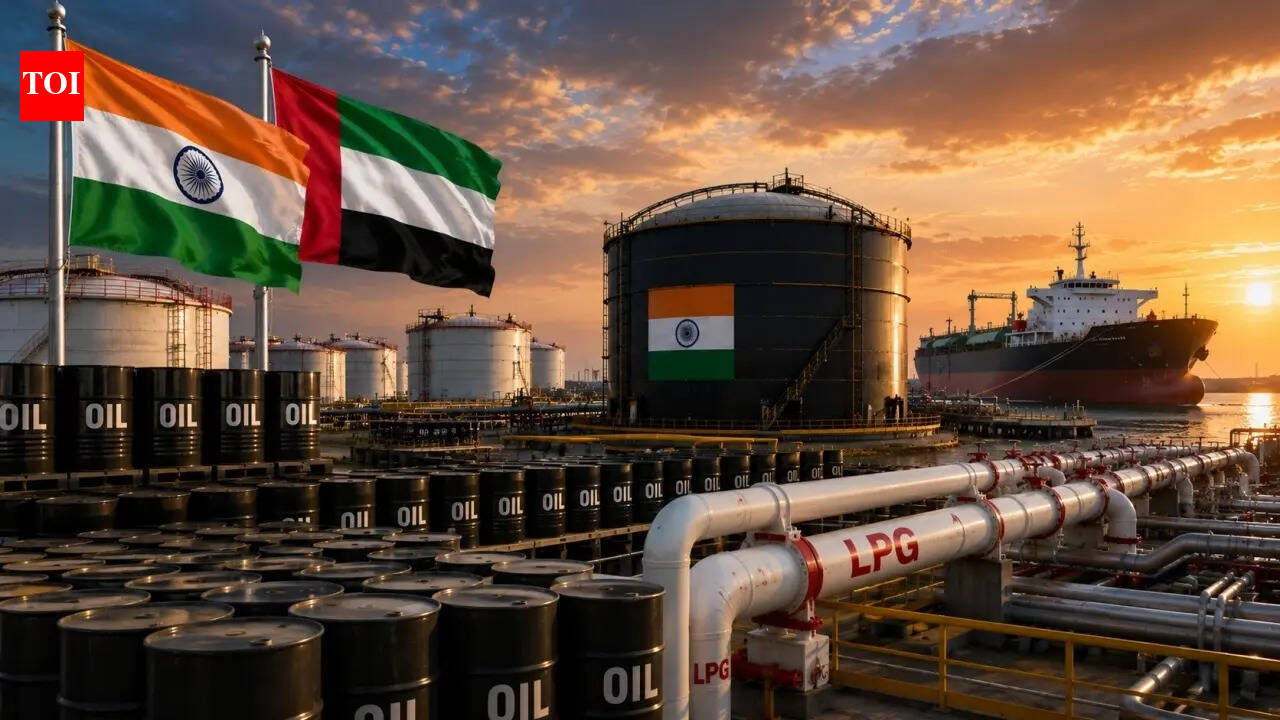
# PM Modi’s UAE Visit: How India Will Benefit from Strategic Petroleum Reserves and LPG Agreements
In an era where energy security is paramount to a nation's growth and stability, Prime Minister Narendra Modi's recent visit to the United Arab Emirates (UAE) has marked a significant milestone for India. On Friday, two critical Memorandum of Understanding (MOUs) were signed, heralding a new chapter in India’s energy partnerships. These agreements are not just diplomatic gestures; they promise to enhance India's energy security and facilitate a more robust energy supply chain. This article delves into the implications of these agreements and how they can shape India’s energy landscape.
## Understanding the Context: India’s Energy Needs
India, as one of the fastest-growing economies in the world, faces pressing energy demands. The nation is heavily reliant on imports for its energy needs, with crude oil being one of the largest components. As global energy dynamics shift and the world moves toward greener alternatives, ensuring a stable and secure energy supply has become a strategic priority for the Indian government.
The agreements signed during PM Modi's visit to the UAE focus on two crucial aspects: strategic petroleum reserves and liquefied petroleum gas (LPG). By leveraging these partnerships, India stands to gain significantly in terms of energy security, price stability, and diversification of energy sources.
## Key Highlights of the Agreements
Strategic Petroleum Reserves
The first MOU pertains to the establishment of strategic petroleum reserves. These reserves are essential for a country like India, which imports approximately 85% of its crude oil requirements. Strategic petroleum reserves serve as a buffer against supply disruptions caused by geopolitical tensions, natural disasters, or other unforeseen events.
1. **Strengthening Supply Security**: The collaboration with the UAE allows India to store crude oil and petroleum products in strategic reserves, ensuring that the country has access to essential resources during emergencies.
2. **Price Stabilization**: By maintaining strategic reserves, India can manage price volatility in the global oil market. In scenarios where prices spike due to geopolitical tensions, having a reserve can help stabilize domestic prices, protecting consumers and businesses alike.
3. **Enhanced Bilateral Relations**: The agreement further solidifies India’s relationship with the UAE, a key player in the global oil market. This partnership can lead to favorable trade terms and increased investments in the energy sector.
Liquefied Petroleum Gas (LPG) Agreement
The second MOU focuses on the supply and distribution of liquefied petroleum gas (LPG), a critical energy source for cooking and heating in millions of Indian households.
1. **Boosting Domestic Supply**: The agreement ensures a steady supply of LPG from the UAE, which is vital for meeting the demands of the growing population in India. The UAE is a significant exporter of LPG, and this collaboration will help India enhance its domestic supply chain.
2. **Sustainability Goals**: LPG is considered a cleaner alternative to traditional fuels like coal and wood. By enhancing access to LPG, India can progress towards its sustainability goals, reducing air pollution and promoting healthier living conditions for its citizens.
3. **Economic Growth and Job Creation**: Increased LPG availability can stimulate local economies and create jobs in distribution, retail, and related sectors. This aligns with the Indian government's vision of inclusive growth and development.
## Strategic Implications of the Agreements
The agreements signed during PM Modi's visit are not merely transactional but represent a strategic alignment between India and the UAE.
Energy Diversification
By entering into these agreements, India is taking decisive steps toward diversifying its energy sources. This is essential in reducing dependency on any single supplier, thereby enhancing national security. The UAE, as a leading global oil supplier, offers India an opportunity to tap into a reliable source of energy, complementing other partnerships it has established with countries in Africa, the US, and Russia.
Geopolitical Considerations
The geopolitical landscape is constantly evolving, especially in the Middle East. Strengthening ties with the UAE, a crucial ally in the region, allows India to enhance its influence in Middle Eastern politics and economics. This partnership can also serve as a counterbalance to other regional players, ensuring that India has a voice in energy discussions on a global platform.
Technological Collaboration
In addition to securing energy supplies, the agreements open avenues for technological collaboration in energy production and distribution. The UAE has invested heavily in renewable energy technologies, and India can benefit from knowledge transfer and investment in cleaner energy alternatives. This aligns with India’s commitment to achieving its renewable energy targets and addressing climate change.
## What This Means for Indian Consumers
The impact of these agreements will ultimately trickle down to Indian consumers. With enhanced energy security and a stable supply of LPG, households can expect fewer disruptions in their energy supply. Additionally, price stabilization measures can help shield consumers from the volatility often seen in global oil markets.
Moreover, as India continues to transition towards cleaner energy sources, the increased availability of LPG can lead to better air quality in urban areas, positively affecting public health. This is particularly important given the rising concerns about pollution and its impact on quality of life.
## Conclusion: A Step Towards a Sustainable Energy Future
PM Modi's recent visit to the UAE and the signing of these crucial agreements represent a proactive approach to enhancing India’s energy security. By focusing on strategic petroleum reserves and the supply of LPG, India is not only securing its energy future but also taking significant strides towards sustainability and economic growth.
As the world continues to grapple with energy challenges and climate change, these partnerships will play a pivotal role in shaping a resilient and sustainable energy landscape for India. The agreements reflect a forward-thinking strategy that prioritizes energy security, economic stability, and environmental responsibility. In an increasingly interconnected world, such collaborations will be essential for nations striving to secure a prosperous future for their citizens.