
Protest erupts in Nepal against taxation on imports above 100 rupees from India
Protest Erupts in Nepal Against Taxation on Imports Above 100 Rupees from India
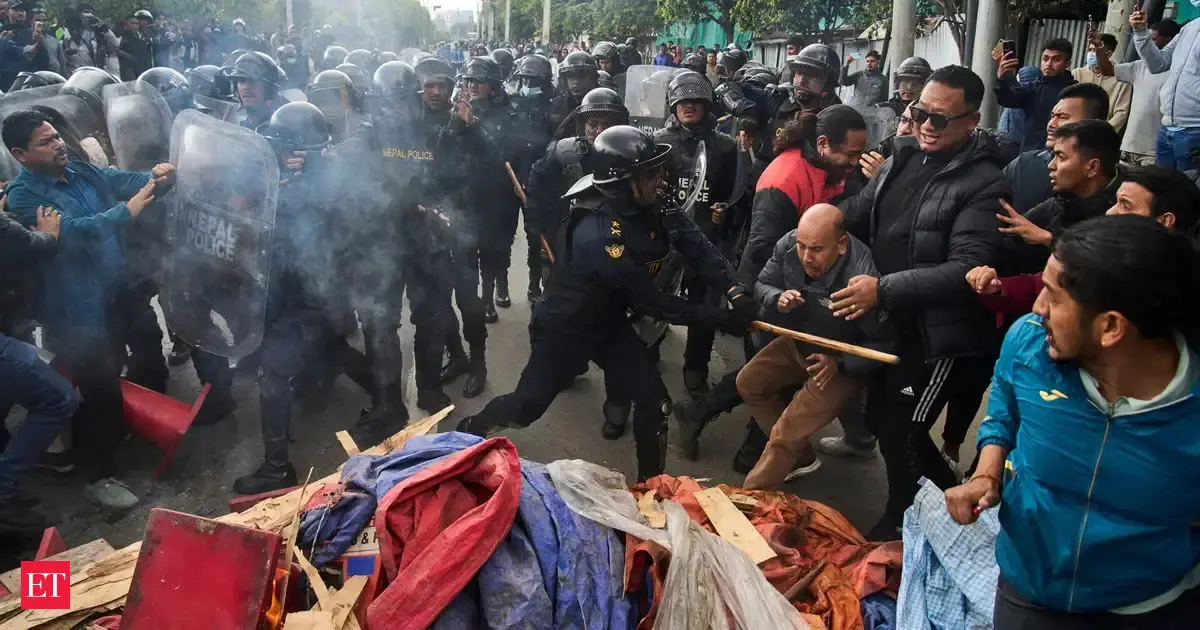
In a dramatic turn of events, the streets of Birgunj, a major border town in Nepal, have become a hotbed of dissent as thousands of residents rally against a controversial new government directive. The directive imposes a tax on all imports from India exceeding 100 Nepalese Rupees (NRS), a move that has ignited anger and frustration among many who depend on affordable goods from across the border. With the government's crackdown on enforcement at border points, the implications of this policy are being felt far and wide, leading to a significant outcry from the local populace.
A Burgeoning Crisis at the Border
The new taxation policy, introduced as part of the government's efforts to bolster local industries and curtail revenue leakage, has faced immediate backlash. For many residents of Birgunj and surrounding areas, cross-border trade is not just a matter of convenience; it is a vital source of affordable products ranging from food items to household goods. The imposition of a tax on imports exceeding 100 NRS threatens to disrupt these essential supply lines, pushing prices up and leaving many scrambling for alternatives.
Protesters have taken to the streets, waving banners and chanting slogans against the government. "We want affordable goods, not taxes!" shouted one demonstrator, echoing the sentiments of many who feel that the new tax will only serve to hurt low-income families already struggling to make ends meet. The frustration is palpable, as people express concern that the policy will disproportionately affect those who rely on less expensive imports to manage their daily expenses.
Economic Implications of the New Tax
The government's decision to enforce this tax stems from a broader economic strategy aimed at promoting local manufacturing and reducing the trade deficit with India, a country that has traditionally been one of Nepal's largest trading partners. However, the immediate consequences of this policy have led to significant unrest, with many fearing that it may lead to a rise in smuggling and illegal trade as consumers seek to circumvent the tax.
Local business leaders have also expressed concern about the potential ripple effects of this directive. While the government aims to support local markets, many small businesses that rely on imported goods to compete may find themselves at a disadvantage. "If we can't import products affordably, it will soon become impossible to compete," lamented a local shop owner. The worry is that this policy could stifle economic growth and lead to job losses in an already precarious market.
Government Response Amidst Rising Tensions
In response to the mounting protests, government officials have attempted to assuage public concerns by emphasizing the long-term benefits of the policy. "We understand the frustration, but this step is necessary to protect our economy and promote self-sufficiency," said a spokesperson for the Ministry of Finance during a press conference. However, as protests continue to swell, the government's stance appears increasingly untenable.
Authorities have ramped up crackdowns at border points, intensifying inspections and enforcing the new tax with little regard for the chaos it has unleashed. This heavy-handed approach has only served to fuel further dissent, as protesters argue that the government is prioritizing revenue collection over the welfare of its citizens. The situation has created a tense atmosphere, with clashes reported between demonstrators and law enforcement in some areas.
The Community's Outcry and the Way Forward
As the protests gain momentum, community leaders are calling for dialogue with the government to seek a more balanced approach that considers the needs of the people. "We are not against supporting local markets, but this tax is not the solution," said a representative from the Birgunj Chamber of Commerce. The group is advocating for a more gradual implementation of policies that would allow local industries to adapt without punishing consumers.
With the situation evolving rapidly, it remains to be seen how the government will respond to the growing discontent. Many residents are demanding that officials reconsider the policy or provide exemptions for essential goods, arguing that a more nuanced approach could achieve the desired economic goals without putting undue strain on the population.
Conclusion: Navigating a Path Forward
The protests in Birgunj against the new taxation on imports from India highlight the complex interplay between economic policy and the realities of everyday life for citizens. As the government grapples with the challenge of supporting local industries while ensuring access to affordable goods, it is clear that communication and collaboration will be essential moving forward. The voices of the people must be heard, and a balanced approach is crucial to avoid further unrest and foster a thriving economic environment that benefits all stakeholders involved. As the situation unfolds, it is imperative that the government listens to the concerns of its citizens and seeks solutions that promote both local growth and consumer welfare.