
Rupee under strain! Will the Indian currency continue its free fall against US dollar or recover?
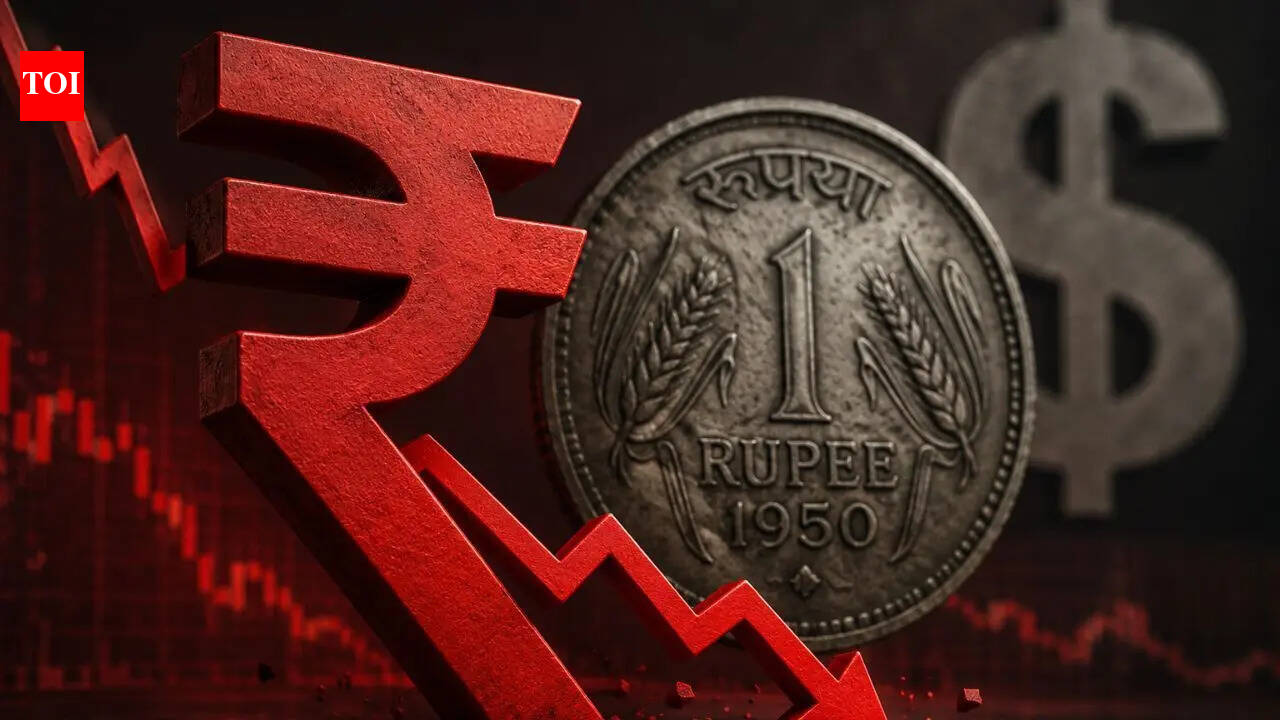
# Rupee Under Strain: Will the Indian Currency Continue Its Free Fall Against the US Dollar or Recover?
## Introduction
In the ever-evolving landscape of global finance, the Indian rupee finds itself navigating turbulent waters. As the Indian currency continues to grapple with depreciation against the US dollar, many are left wondering: what does the future hold for the rupee? Once a symbol of strength, the rupee's recent performance resembles an uphill marathon, raising critical questions about the economic factors influencing its value. In this article, we will delve into the current state of the rupee, explore the reasons behind its decline, and discuss potential recovery paths.
## The Current State of the Rupee
Over the past few years, the Indian rupee has faced significant challenges. As of late 2023, the currency has seen a marked decline against the US dollar, with rates fluctuating around 83 rupees to a dollar. This decline has not only sparked concerns among economists but has also affected everyday consumers, businesses, and investors alike. The rupee's depreciation is a topic of vital importance, as it impacts trade, inflation, and the overall economic health of the nation.
## Factors Contributing to the Rupee's Decline
1. Global Economic Uncertainty
The global economic landscape has been anything but stable in recent times. Factors such as rising interest rates, geopolitical tensions, and ongoing supply chain disruptions have led to increased uncertainty. Investors often turn to the US dollar as a safe-haven asset during these tumultuous times, resulting in higher demand for the dollar and putting additional pressure on the rupee.
2. Trade Deficits
India's trade deficit has widened significantly in recent months. The country imports a substantial amount of crude oil and other essential goods, leading to an imbalance between exports and imports. As the demand for foreign currency rises to pay for these imports, the rupee faces downward pressure.
3. Inflationary Pressures
Inflation has emerged as a critical concern for the Indian economy. Rising prices of essential commodities, coupled with supply chain constraints, have eroded purchasing power. The Reserve Bank of India (RBI) has been tasked with managing inflation while supporting growth, creating a challenging balancing act that influences currency valuation.
4. Foreign Investment Trends
Foreign direct investment (FDI) plays a pivotal role in determining the strength of a currency. While India remains an attractive destination for foreign investors, recent volatility in the market has led some investors to adopt a cautious approach. A decline in FDI inflows can further exacerbate the rupee's depreciation as demand for the currency decreases.
## The Impact of a Weak Rupee
1. Increased Import Costs
A depreciating rupee leads to higher import costs, particularly for crude oil and other essential goods. This, in turn, can drive inflation even higher, impacting consumers' daily lives. As businesses face increased costs, they may pass these expenses onto consumers, creating a cycle of rising prices.
2. Strain on the Economy
The weakening rupee can strain the overall economy. With rising import costs and inflationary pressures, the government may face challenges in maintaining economic stability. Policymakers must respond effectively to mitigate any adverse effects on growth and employment.
3. Effect on External Debt
For countries like India with external debt denominated in foreign currencies, a weak rupee can increase the burden of repayments. This situation may prompt the government to reassess its fiscal strategies and consider measures to stabilize the currency.
## Potential Recovery Paths for the Rupee
1. Strengthening Economic Fundamentals
For the rupee to regain its strength, India must focus on strengthening its economic fundamentals. This includes addressing trade deficits, promoting exports, and enhancing domestic production capabilities. A robust economic framework can instill confidence among investors and stabilize the currency.
2. Policy Interventions
The Reserve Bank of India (RBI) plays a crucial role in managing the currency's value. By employing appropriate monetary policy tools, such as interest rate adjustments and foreign exchange interventions, the RBI can influence the rupee's performance. Clear communication from the central bank regarding its strategies can also help restore investor confidence.
3. Promoting Foreign Investment
To bolster the rupee, India must continue to attract foreign direct investment. Implementing investor-friendly policies, enhancing ease of doing business, and fostering a stable regulatory environment will encourage foreign investors to consider India as a viable investment destination.
4. Diversifying Trade Partnerships
Diversifying trade partnerships can mitigate the impact of global economic uncertainties. By establishing relationships with various countries, India can reduce its dependence on specific markets, helping to stabilize trade balances and strengthen the rupee.
## Conclusion
As the Indian rupee grapples with significant challenges in the global financial arena, the potential for recovery remains. While the current state of the currency may evoke concerns, proactive measures aimed at strengthening economic fundamentals, employing sound monetary policies, and fostering foreign investment could pave the way for a more resilient rupee. The journey ahead may be rocky, but with strategic planning and concerted efforts, the Indian currency can once again regain its footing in the international arena, ensuring economic stability for the nation and its citizens.