
Scientists unearth Southeast Asia's largest dinosaur
# Scientists Unearth Southeast Asia's Largest Dinosaur: The Nagatitan Chaiyaphumensis
In a groundbreaking discovery that has captivated the scientific community and dinosaur enthusiasts alike, researchers have unveiled the Nagatitan Chaiyaphumensis, identified as the largest dinosaur ever found in Southeast Asia. This remarkable finding not only sheds light on the prehistoric giants that once roamed the Earth but also provides valuable insights into the climate and environmental conditions of the region during the Late Cretaceous period. Let’s delve deeper into this fascinating discovery, its implications for our understanding of dinosaur evolution, and what it reveals about the ancient world.
## A Historic Discovery in Paleontology
The Nagatitan Chaiyaphumensis was unearthed in the Chaiyaphum Province of Thailand, an area rich in paleontological history. The excavation, led by a team of international researchers, has unearthed fossils that date back approximately 70 million years. The sheer size of the Nagatitan, estimated to be about 25 meters in length and weighing over 10 tons, is a testament to the diversity of life that once existed in this region.
This discovery marks a significant milestone not only for Thailand but for Southeast Asia as a whole, which has historically been overlooked in the study of dinosaurs. The research team, composed of paleontologists from Thailand and various international institutions, is excited to bring Southeast Asia into the spotlight of paleontological research.
## Understanding the Nagatitan Chaiyaphumensis
Characteristics and Classification
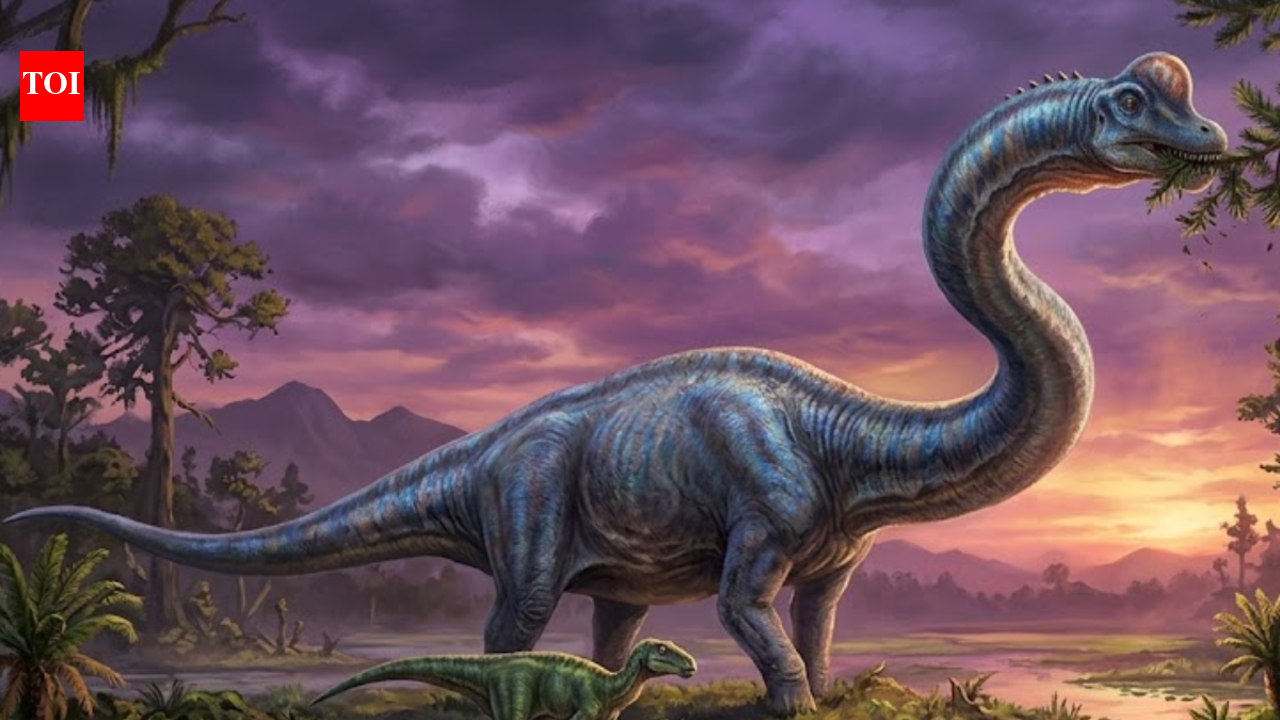
The Nagatitan Chaiyaphumensis is classified as a sauropod, a group of long-necked dinosaurs known for their massive size and herbivorous diet. The name "Nagatitan" derives from the Nagat Plateau in Thailand, where the fossils were discovered, while "Chaiyaphumensis" pays homage to the Chaiyaphum Province.
Key characteristics of the Nagatitan include:
- **Size**: At approximately 25 meters long, it rivals other well-known sauropods, making it one of the largest dinosaurs identified in the region.
- **Diet**: As a herbivore, the Nagatitan likely fed on a variety of vegetation, utilizing its long neck to reach high foliage.
- **Physical Features**: Preliminary studies suggest that it had a long tail, robust limbs, and a small head relative to its body, typical of sauropods.
These features not only highlight the dinosaur's adaptations for survival but also provide insight into the ecosystem of the Late Cretaceous period.
Fossil Evidence and Excavation Process
The excavation of the Nagatitan Chaiyaphumensis was a meticulous process that involved the careful extraction of fossils from rocky sediment layers. The team employed advanced techniques in paleontology, including 3D imaging and fossil reconstruction, to piece together the dinosaur's anatomy.
Fossils of various bones, including vertebrae and limb bones, were discovered at the site, indicating the presence of a large sauropod that had once inhabited the lush landscapes of ancient Southeast Asia. The discovery site, rich in sedimentary deposits, suggests that the region was once a fertile area with abundant vegetation, providing crucial insights into the climate and environmental conditions of the time.
## Implications for Climate Change Research
The discovery of the Nagatitan Chaiyaphumensis extends beyond paleontology, as it opens up new avenues for understanding climate change and its effects on prehistoric life.
Insights into the Late Cretaceous Climate
The Late Cretaceous period, which lasted from approximately 100 to 66 million years ago, was characterized by a warm climate that supported a diverse array of flora and fauna. The fossils unearthed alongside the Nagatitan suggest that Southeast Asia was home to a variety of ecosystems, ranging from coastal wetlands to dense forests.
Researchers believe that understanding the climate conditions during this period can offer valuable insights into how ancient ecosystems responded to climate shifts. By studying the fossilized remains and the surrounding geological context, scientists can draw parallels to contemporary climate change and its potential impacts on modern ecosystems.
Lessons for Modern Conservation Efforts
As the world grapples with the consequences of climate change, the lessons learned from the Nagatitan Chaiyaphumensis and its contemporaries can inform conservation strategies today. By understanding how prehistoric creatures adapted (or failed to adapt) to changes in their environment, scientists can better predict how current species may respond to ongoing environmental changes.
This research underscores the importance of preserving biodiversity and habitats, as these ecosystems have historically been resilient yet vulnerable to dramatic shifts in climate. The Nagatitan's discovery serves as a reminder of the delicate balance that has existed throughout Earth's history.
## The Significance of Southeast Asia in Paleontology
A New Frontier for Dinosaur Research
The unveiling of the Nagatitan Chaiyaphumensis is a pivotal moment for the field of paleontology in Southeast Asia. For years, this region has remained underrepresented in dinosaur research, overshadowed by more prominent fossil sites in North America and Europe.
The discovery of such a significant dinosaur not only enriches our understanding of dinosaur diversity but also encourages further exploration in the region. Researchers are hopeful that this finding will inspire additional excavations and studies, leading to the unearthing of more fossils that could unveil the secrets of Southeast Asia's prehistoric past.
Building Local Scientific Communities
Moreover, this discovery has the potential to foster collaboration between local and international scientists, building a robust scientific community in Thailand. By involving local researchers and institutions, the study of the Nagatitan Chaiyaphumensis can contribute to the growth of paleontological knowledge in the region, enhancing education and research opportunities for aspiring paleontologists.
## Conclusion
The discovery of the Nagatitan Chaiyaphumensis stands as a landmark achievement in paleontological research, offering a glimpse into the rich tapestry of life that once flourished in Southeast Asia. This remarkable dinosaur not only expands our understanding of the diversity of prehistoric creatures but also provides essential insights into the climate and ecosystems of the Late Cretaceous period.
As scientists continue to study this incredible find, it serves as a reminder of the importance of preserving our planet's biodiversity and understanding the complex interactions between climate and life. The Nagatitan Chaiyaphumensis is more than just a fossil; it is a key to unlocking the mysteries of our planet's past and an inspiration for future generations of scientists and conservationists.
With ongoing research and exploration, the story of the Nagatitan and its world is far from over, promising to unveil more astonishing discoveries that will deepen our understanding of Earth's history and its ever-evolving ecosystems.