
Stalin urges new Tamil Nadu government to continue DMK regime’s schemes
# Stalin Urges New Tamil Nadu Government to Uphold DMK Welfare Schemes for Continued Development
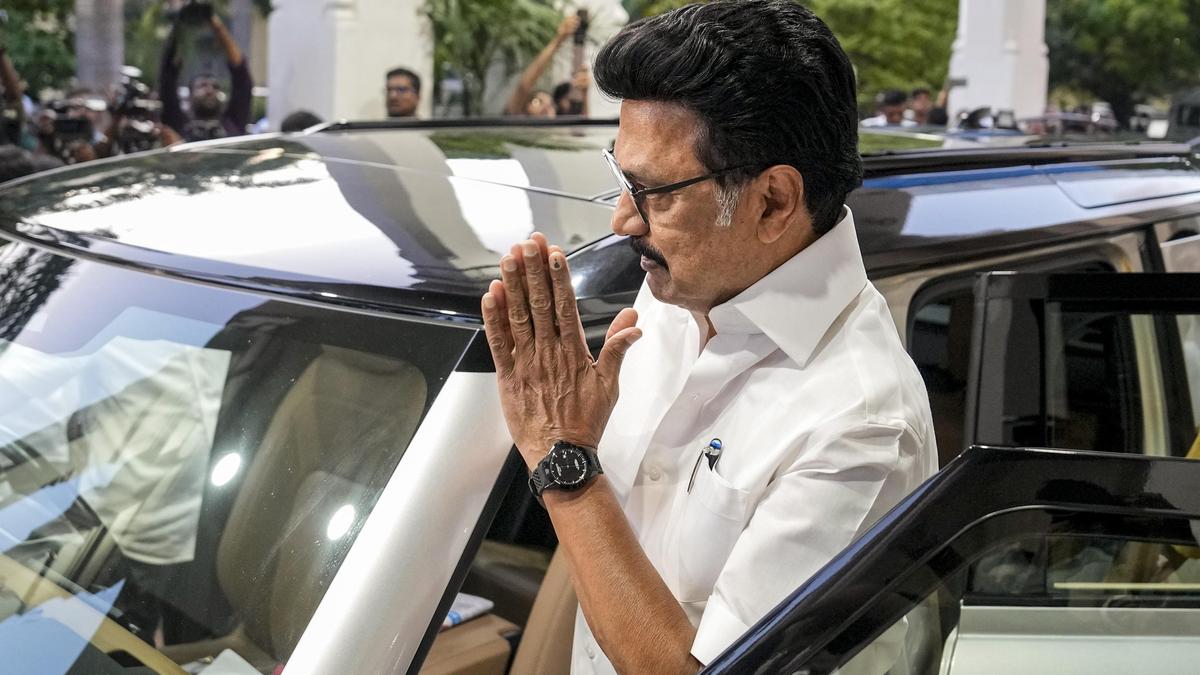
In a pivotal moment for Tamil Nadu’s political landscape, Chief Minister M.K. Stalin has called upon the newly formed government to maintain the welfare schemes initiated by the Dravida Munnetra Kazhagam (DMK) party. With the state’s development at stake, Stalin emphasized the importance of continuity in policies that have historically benefitted the citizens, thereby ensuring sustained support from alliance partners and fostering a collaborative governance model.
## The Significance of DMK Welfare Schemes
Since its ascent to power, the DMK has rolled out a series of welfare schemes designed to uplift various segments of society, particularly marginalized communities. These initiatives range from financial aid for the economically disadvantaged to comprehensive healthcare programs, education reforms, and infrastructure development projects. As the political climate shifts, the continuation of these programs is crucial not only for the well-being of Tamil Nadu’s residents but also for the stability of the new government.
## A Call for Unity and Progress
During a recent address, Stalin underscored the necessity for unity among political factions in Tamil Nadu, urging the new government to embrace the welfare schemes that have brought tangible improvements to the lives of many. "Our focus should remain on the progress of Tamil Nadu," Stalin stated. "Continuing these initiatives will not only enhance the quality of life for our citizens but also reaffirm our commitment to inclusive governance."
Stalin’s message resonates with many constituents who have come to rely on these welfare schemes for their daily sustenance and overall well-being. By advocating for the preservation of these programs, Stalin is not only protecting the legacy of the DMK but also ensuring that the new government does not lose sight of the needs of the people.
## The Political Landscape in Tamil Nadu
Tamil Nadu has long been a political battleground, characterized by a vibrant tapestry of parties and ideologies. The DMK, one of the two major political parties in the state, has historically positioned itself as a champion of social justice and welfare. The party’s commitment to addressing the needs of the underprivileged has garnered significant support, making it essential for any governing body to consider the implications of discontinuing existing welfare programs.
The new government, regardless of its political affiliations, must recognize the value of these initiatives. As political alliances shift, maintaining the welfare schemes established under the DMK regime could serve as a bridge to foster cooperation among various factions, ultimately benefiting the citizens of Tamil Nadu.
## The Impact of Welfare Schemes on Society
The DMK’s welfare schemes have had a profound impact on various sectors, including healthcare, education, and employment. Programs aimed at providing free education, healthcare services, and financial assistance have lifted many families out of poverty, making it vital for the new government to acknowledge their significance.
1. **Healthcare Initiatives**: One of the flagship programs introduced by the DMK is the health insurance scheme, which provides coverage to millions of families. This initiative has not only increased access to healthcare but has also reduced the financial burden on families during medical emergencies.
2. **Educational Reforms**: The DMK has also prioritized education, implementing free and quality schooling for underprivileged children. This commitment to education is integral for the long-term development of the state, ensuring that future generations are equipped with the necessary skills to thrive.
3. **Employment Opportunities**: Through various skill development programs, the DMK government has aimed to enhance employability among youth, creating a more skilled workforce that can contribute to the state’s economic growth.
## The Role of Alliance Partners
Stalin’s appeal to the new Tamil Nadu government is also a strategic move to solidify relationships with alliance partners. In a coalition government, maintaining solidarity among various parties is essential for effective governance. By continuing the DMK welfare schemes, the new government can ensure that all parties within the coalition remain aligned with the common goal of serving the people.
Moreover, the continuation of these welfare initiatives can serve as a powerful testament to the government’s commitment to its constituents. As political analysts suggest, fostering a sense of unity and shared purpose among alliance partners will be crucial in navigating the challenges that lie ahead.
## Challenges Ahead for the New Government
While the call to continue welfare schemes is a step in the right direction, the new government will face numerous challenges. Economic constraints, rising inflation, and the need for infrastructural development are just a few of the hurdles that could impede progress.
To effectively address these challenges, the government will need to allocate resources wisely and prioritize initiatives that yield the highest benefit for the populace. Furthermore, engaging with citizens and understanding their needs will be paramount in creating policies that resonate with the wider community.
## The Future of Welfare in Tamil Nadu
As Tamil Nadu progresses into a new political era, the future of welfare schemes remains a pivotal issue. The ongoing debate surrounding the preservation of DMK initiatives will likely shape the political narrative in the coming months.
Stalin’s urging of the new government to uphold these programs could potentially set a precedent for future administrations. If the current government recognizes the importance of these welfare schemes, it could pave the way for a more collaborative and effective governance model—a model that prioritizes the needs of its citizens above all else.
## Conclusion
In conclusion, M.K. Stalin’s appeal to the new Tamil Nadu government to continue the welfare schemes initiated by the DMK stands as a testament to the importance of sustained social support in governance. As the political landscape evolves, the commitment to uphold these initiatives could play a critical role in shaping the future of Tamil Nadu. By prioritizing the welfare of its citizens and maintaining unity among political factions, the new government has the opportunity to foster an environment of progress and inclusivity. The road ahead may be fraught with challenges, but a steadfast dedication to welfare can help secure a brighter future for all residents of Tamil Nadu.