
Supreme Court refers UAPA bail curbs to larger Bench for ‘authoritative’ ruling
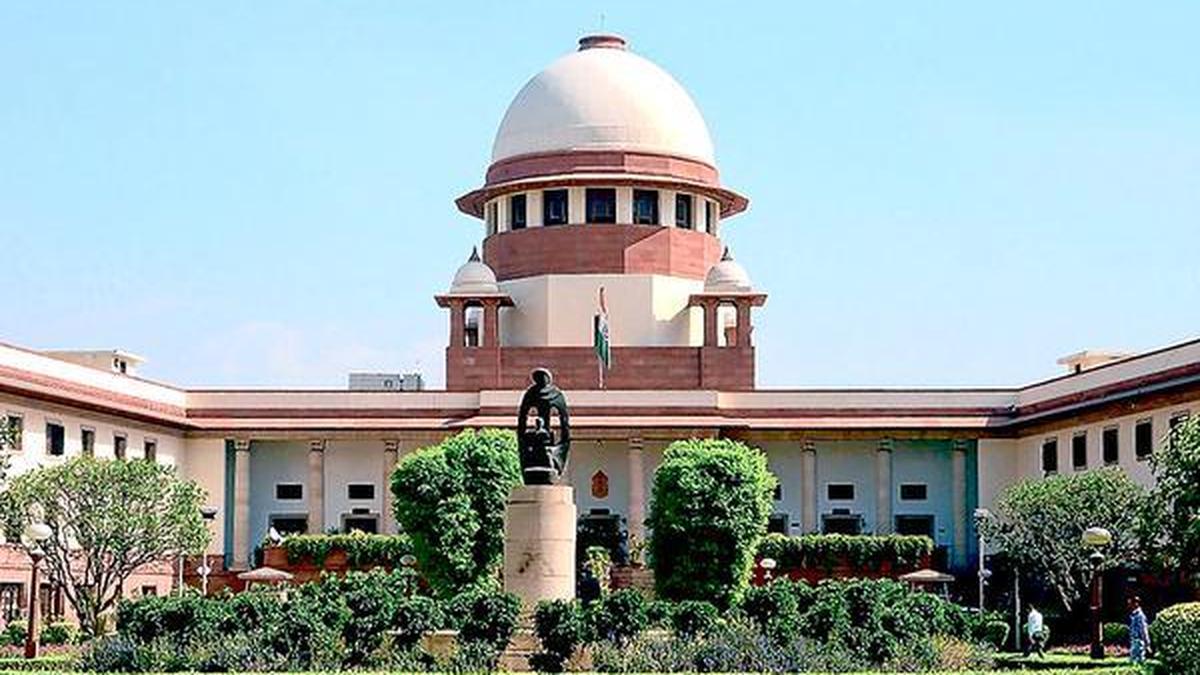
# Supreme Court Refers UAPA Bail Issues to Larger Bench for Authoritative Ruling
In a significant development for legal interpretation and the application of the Unlawful Activities (Prevention) Act (UAPA), the Supreme Court of India has referred critical issues regarding bail provisions under this contentious law to a larger bench. This move aims to provide an authoritative ruling that could reshape the landscape of UAPA-related cases, especially in light of public concern surrounding civil liberties and human rights. The apex court's decision comes amidst ongoing debates over the balance between national security and individual rights, and it also includes the granting of interim bail to two individuals accused in connection with the Delhi riots.
## Understanding the UAPA: A Brief Overview
The Unlawful Activities (Prevention) Act, enacted in 1967, is a law designed to prevent unlawful activities aimed at threatening the sovereignty and integrity of India. While its intent is to safeguard national security, critics argue that it has often been misused to stifle dissent and suppress civil rights. The provisions of UAPA allow for stringent measures, including the denial of bail in certain circumstances, which has raised concerns among civil rights advocates and legal experts.
## Supreme Court's Interim Bail Decision
In a recent hearing, the Supreme Court granted interim bail to two individuals accused in the violent riots that erupted in Delhi in February 2020. The case has garnered significant media attention and public scrutiny, highlighting the complexities involved in cases under UAPA. The court's decision to grant interim bail is particularly noteworthy as it underscores the need for due process and fair trial rights, even within the framework of stringent anti-terror laws.
The interim bail was granted after the accused argued that the evidence against them was circumstantial and that they had been subjected to undue harassment. The Supreme Court, in its ruling, emphasized that while the law aims to protect national interests, it must not compromise individual freedoms and rights guaranteed under the Constitution of India.
## The Referral to a Larger Bench
Recognizing the profound implications of its ruling, the Supreme Court has decided to refer the broader question of bail under UAPA to a larger bench. This decision reflects the court's acknowledgment of the varying interpretations and applications of the law across different jurisdictions and cases. The referral aims to establish a consistent legal framework that can guide lower courts in their handling of bail applications under UAPA.
Legal experts anticipate that the larger bench will address crucial issues, such as:
1. **The Definition of 'Unlawful Activities':** What constitutes 'unlawful activities' under the UAPA? This question is pivotal, as the interpretation of this term can significantly influence bail decisions.
2. **Standard of Proof Required for Bail:** What standard of proof should be required to deny bail in cases involving UAPA? The existing law does not clearly delineate the burden of proof, leading to inconsistencies in court rulings.
3. **Balancing National Security and Civil Liberties:** How can the need for national security be balanced against the fundamental rights of individuals? This is perhaps the most contentious issue, as it touches upon the core principles of democracy and justice.
## Implications for Future UAPA Cases
The Supreme Court's referral to a larger bench is expected to have far-reaching implications for future cases involving UAPA. Legal analysts suggest that a clearer framework on bail provisions could lead to fairer judicial outcomes, reducing the risk of wrongful detention and misuse of the law.
Moreover, this ruling may encourage individuals accused under UAPA to seek legal redress more confidently, knowing that there is potential for a more consistent and fair judicial approach. It may also prompt lawmakers to reconsider certain provisions of the law, aligning them more closely with international human rights standards.
## Public Reaction and Civil Society Concerns
The referral to a larger bench and the interim bail granted to the accused have sparked discussions across various sectors of society. Civil rights organizations and legal experts have welcomed the Supreme Court's decision, viewing it as a necessary step towards safeguarding individual rights against potential state overreach.
However, national security advocates have expressed concerns that any relaxation of bail provisions could hinder law enforcement's ability to act decisively against terrorism and other unlawful activities. This ongoing tension between civil liberties and national security will likely feature prominently in the debates surrounding the upcoming hearings.
## The Legal Landscape Moving Forward
As the Supreme Court prepares to deliberate on these critical issues, the legal landscape surrounding UAPA is poised for transformation. The larger bench's ruling could set vital precedents for how courts interpret not just UAPA, but also other laws that intersect with issues of national security.
Moreover, the outcome of this case could influence legislative action, prompting lawmakers to undertake a comprehensive review of UAPA and its application. Such changes may be necessary to address the concerns raised by civil society and ensure that the law is not misused as a tool for oppression.
## Conclusion: A Pivotal Moment for Justice and Human Rights
The Supreme Court's decision to refer UAPA bail curbs to a larger bench represents a pivotal moment in India's ongoing struggle to balance national security with civil liberties. As the court prepares to hear arguments on these critical issues, the nation watches closely, hopeful for a ruling that upholds the rule of law while respecting individual rights.
In an era where the implications of legal decisions extend far beyond the courtroom, this case underscores the importance of judicial oversight in matters that significantly affect the fabric of society. The upcoming deliberations could provide clarity to an area of law fraught with complexity and controversy, ultimately shaping the future of how justice is administered in the context of national security in India.