
Talks, threats, and turbulence: Trump sends team back to Pakistan as defiant Iran stares him down
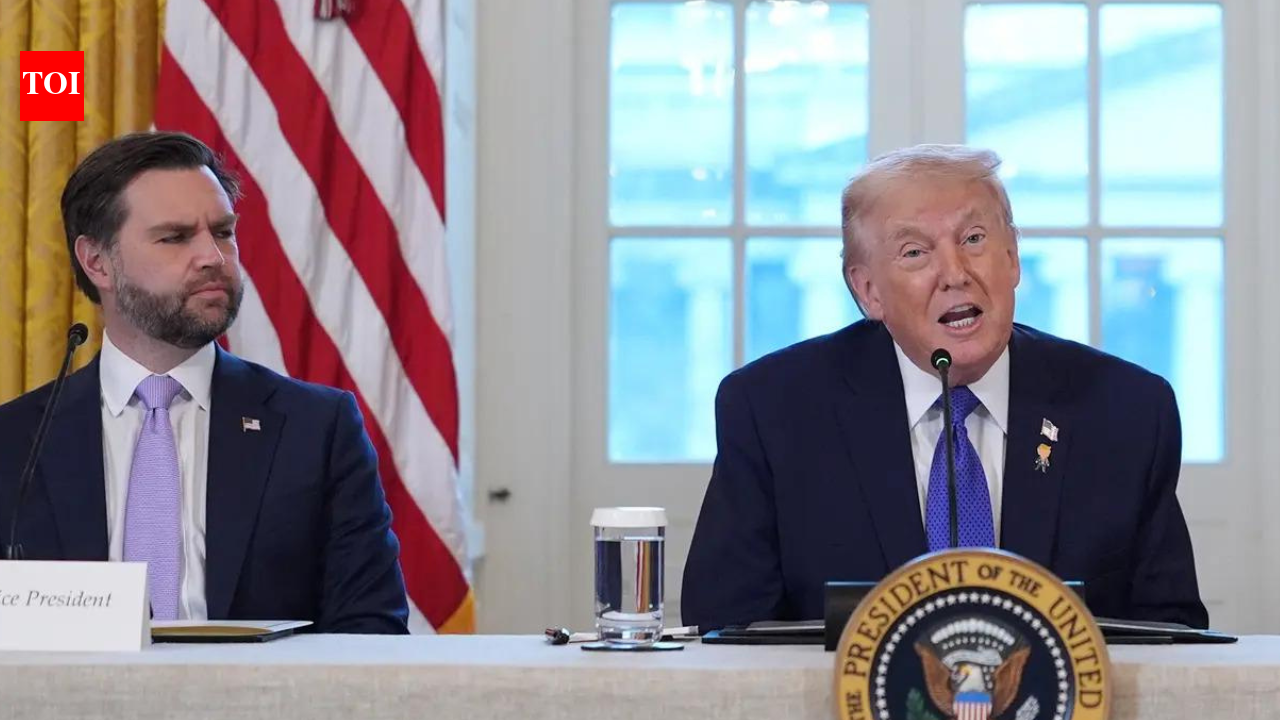
Title: Talks, Threats, and Turbulence: Trump Sends Team Back to Pakistan as Defiant Iran Stares Him Down
US News: A High-Level American Team Heads Back to Pakistan for Critical Talks with Iran
In a rapidly evolving geopolitical landscape, tensions between the United States and Iran remain a focal point of international relations. As the Trump administration intensifies its diplomatic efforts, a high-level American delegation is set to return to Pakistan on Monday for a pivotal second round of discussions aimed at addressing the ongoing turmoil with Tehran. The situation is further complicated by Iran's unwavering stance, raising questions about the potential outcomes of this engagement.
Understanding the Context of US-Iran Relations
The backdrop of this diplomatic initiative stems from years of fraught relations between the two nations. Following the withdrawal of the United States from the Joint Comprehensive Plan of Action (JCPOA) in 2018, Iran has faced a series of economic sanctions that have exacerbated tensions. The Trump administration's "maximum pressure" campaign aimed to curb Tehran's nuclear ambitions and its influence in the region. However, the policy has resulted in increased hostilities, leading to fears of military confrontation.
The upcoming talks in Pakistan are expected to focus on several critical issues, including Iran's nuclear program, its support for proxy groups across the Middle East, and the broader implications for regional stability. According to insiders, the American delegation aims to seek a diplomatic resolution that could pave the way for renewed negotiations, though the path forward remains fraught with uncertainty.
The Role of Pakistan in US-Iran Diplomacy
Pakistan's involvement in facilitating dialogue between the US and Iran is noteworthy. The country has historically maintained a neutral stance, positioning itself as a potential mediator in regional conflicts. With its unique geopolitical ties to both nations, Pakistan's role could prove instrumental in bridging the widening chasm between Washington and Tehran.
Experts suggest that Pakistan's influence could help soften Iran's hardline positions, particularly as both countries grapple with the implications of a nuclear-capable Iran. Moreover, the stability of Pakistan itself is at stake, as escalating tensions could spill over into its borders, affecting its national security and economic interests.
Iran's Defiant Posture: A Challenge for the US
As the American team prepares for talks in Islamabad, Iran's leadership has exhibited a defiant posture. Iranian officials have publicly dismissed the notion of renegotiating the JCPOA under the current US administration. Instead, they have doubled down on their commitment to enhancing their nuclear capabilities, showcasing a resolve that poses a significant challenge for US diplomats.
In recent statements, Iran's Foreign Minister has reiterated the country’s right to pursue its nuclear program, emphasizing that any negotiations must recognize Iran's sovereignty and its right to self-defense. This uncompromising stance adds layers of complexity to the upcoming discussions, as the US must navigate a diplomatic minefield while trying to secure concessions from a reluctant adversary.
Potential Outcomes of the Talks
As the American team heads to Pakistan, several potential outcomes could emerge from this round of talks. First and foremost, a breakthrough in negotiations could lead to a renewed dialogue on the nuclear issue, paving the way for a new framework that addresses both US concerns and Iranian interests. Should both sides demonstrate a willingness to compromise, a gradual thaw in relations could follow, potentially easing tensions in the region.
Conversely, if talks falter or lead to further entrenchment of positions, the likelihood of escalating confrontations increases. The possibility of military action remains a haunting specter, with Iran's enhanced military capabilities posing risks to US forces and allies in the region. Additionally, the geopolitical ramifications could ripple through global oil markets, further destabilizing an already volatile environment.
Conclusion: A Diplomatic Crossroads
As the high-level American team embarks on its mission to Pakistan, the stakes have never been higher. With Iran standing firm in its defiance and the Trump administration seeking a viable path forward, the coming days will be critical in determining the trajectory of US-Iran relations. The outcome of these talks could set the tone for future diplomatic engagements, impacting not just the two nations involved but the broader international community.
In this high-stakes game of diplomacy, every word spoken and decision made will resonate beyond the negotiating table. As the world watches, the hope remains that dialogue can prevail over discord, steering both the United States and Iran away from the brink of conflict and toward a more stable and peaceful future.