
Tamil Nadu CM Vijay writes to PM Modi, urges scrapping of 11% import duty on cotton to safeguard textile sector, jobs
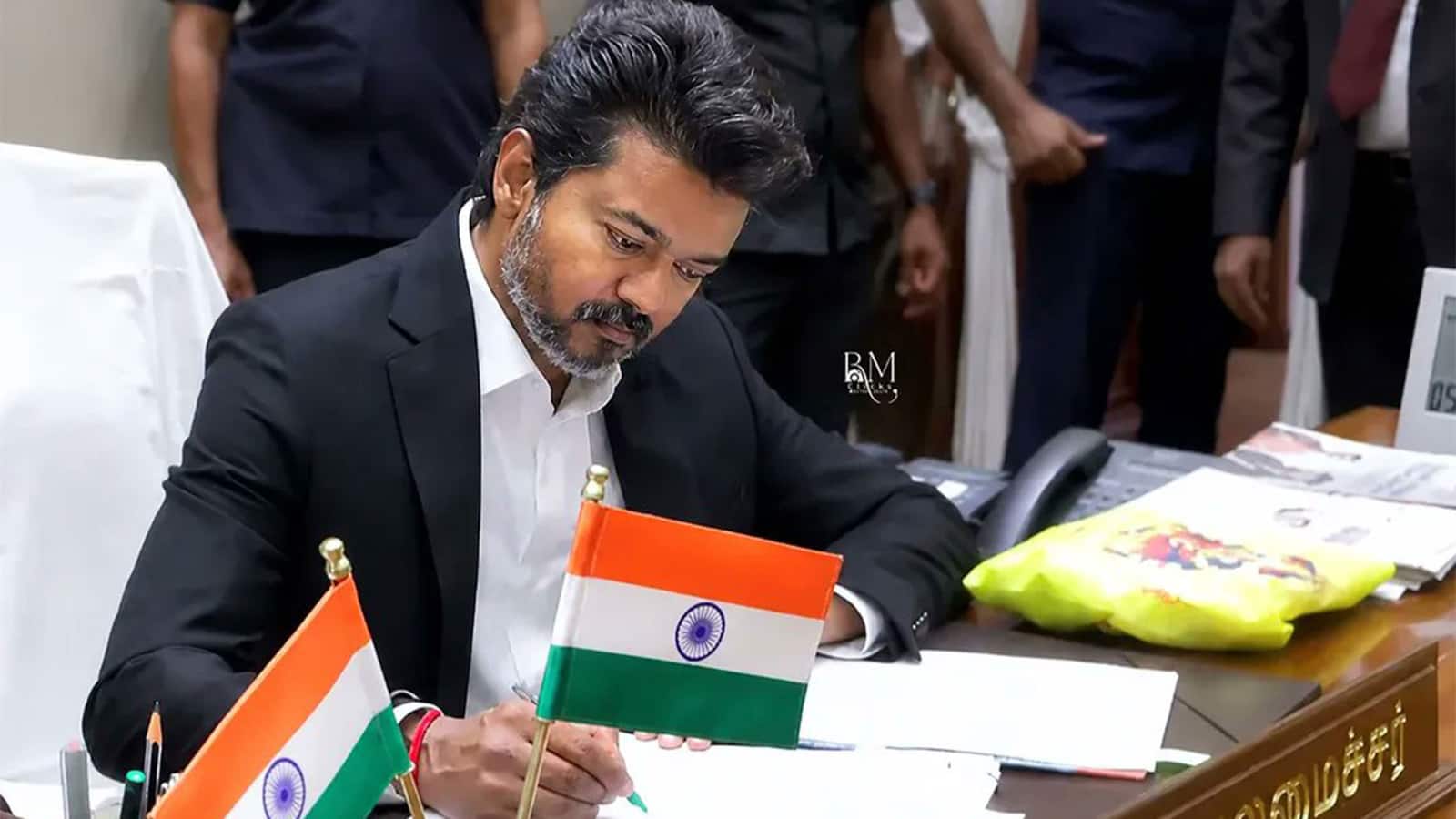
# Tamil Nadu Chief Minister Vijay Urges Prime Minister Modi to Scrap 11% Import Duty on Cotton
In a significant move aimed at protecting the textile sector and safeguarding jobs in Tamil Nadu, Chief Minister Vijay has reached out to Prime Minister Narendra Modi with a pressing request. The CM has urged the central government to reconsider the 11% import duty on cotton, citing alarming price increases that threaten the viability of the industry. With cotton prices soaring by 25% in a mere two months, the urgency of this appeal cannot be overstated.
## The Current Cotton Price Surge: A Cause for Alarm
In recent weeks, the textile industry in Tamil Nadu has been grappling with a dramatic increase in cotton prices. Over the past two months, the price of cotton has surged from Rs 54,700 to Rs 67,700 per candy, translating to a staggering increase that poses a severe risk to the livelihood of many workers in the sector. This price hike has been attributed to various factors, including supply chain disruptions and fluctuating demand, but the imposition of the import duty is compounding the problem for local manufacturers.
As the textile capital of India, Tamil Nadu has long relied on cotton as a primary raw material for its thriving garment and textile industries. The recent spike in prices has raised concerns about the sustainability of these industries and the potential loss of employment for thousands of workers.
## The Textile Industry’s Economic Importance
The textile industry is one of the cornerstones of Tamil Nadu’s economy, employing millions of people directly and indirectly. From weavers and spinners to tailors and retailers, the sector encompasses a diverse range of jobs that are crucial for the state's economic stability. As a major contributor to the state's Gross Domestic Product (GDP), any disruption in this industry could have far-reaching consequences, not just for the workers but for the entire economy of Tamil Nadu.
In light of these factors, CM Vijay's letter to PM Modi is not just a plea for immediate relief; it is an urgent call to action to safeguard the livelihoods of countless families who depend on this industry for their sustenance.
## The Implications of the 11% Import Duty
The 11% import duty on cotton has been a contentious issue among stakeholders in the textile industry. Many industry leaders argue that this tariff discourages imports of high-quality cotton, which are necessary for producing competitive textiles. By maintaining this import duty amidst rising domestic prices, the government may inadvertently be placing a heavier burden on local manufacturers, pushing them towards the brink of collapse.
In his communication with PM Modi, CM Vijay highlighted the adverse effects of this policy on the industry. He argued that scrapping the import duty would not only stabilize cotton prices but also enhance the competitiveness of Tamil Nadu's textile manufacturers in the global market. This, in turn, could lead to increased exports and job creation, thus benefiting the overall economy.
## The Need for Government Intervention
Government intervention is often crucial in times of crisis, and the current situation in Tamil Nadu’s textile sector is no exception. By abolishing the import duty on cotton, the central government can provide immediate relief to manufacturers facing skyrocketing costs. Such a move would enable textile producers to source quality raw materials at more competitive prices, thus allowing them to maintain production levels and protect jobs.
Furthermore, easing import restrictions could stimulate competition within the domestic market, encouraging manufacturers to innovate and improve efficiency. This could lead to a more resilient textile industry that is better equipped to handle future price fluctuations and supply chain challenges.
## The Broader Context: Global Cotton Markets
The surge in cotton prices is not an isolated issue; it reflects broader trends in global cotton markets. Factors such as climate change, geopolitical tensions, and trade policies have all contributed to fluctuations in cotton availability and prices. As a major player in the global textile industry, India is affected by these trends, making it imperative for policymakers to adopt a proactive approach to safeguard local industries.
By addressing the import duty on cotton, the Indian government can align its policies with the realities of the global market. This would not only benefit Tamil Nadu but could also serve as a model for other states facing similar challenges in their textile sectors.
## The Future of Tamil Nadu’s Textile Sector
As Tamil Nadu navigates this critical juncture, the future of its textile sector hangs in the balance. The state’s rich history in textile manufacturing has positioned it as a leader in the industry, but without timely interventions, that legacy could be at risk.
CM Vijay's appeal to PM Modi is a crucial step towards ensuring the sustainability of this vital sector. By fostering a collaborative approach between state and central governments, stakeholders can work together to develop policies that protect jobs, stimulate growth, and enhance the global competitiveness of Tamil Nadu's textile industry.
## Conclusion
The textile industry is an integral part of Tamil Nadu's identity and economy, providing livelihoods for millions and contributing significantly to the state's GDP. As cotton prices continue to soar, the need for government intervention becomes increasingly urgent. CM Vijay's request to scrap the 11% import duty on cotton is a timely and necessary step to safeguard the future of the textile sector and the jobs it supports.
As stakeholders await a response from Prime Minister Modi, the importance of collaboration between state and central authorities cannot be overstated. By working together, they can ensure that Tamil Nadu's textile industry not only survives but thrives in the face of global challenges, paving the way for a brighter economic future.