
The space junk problem threatening future missions
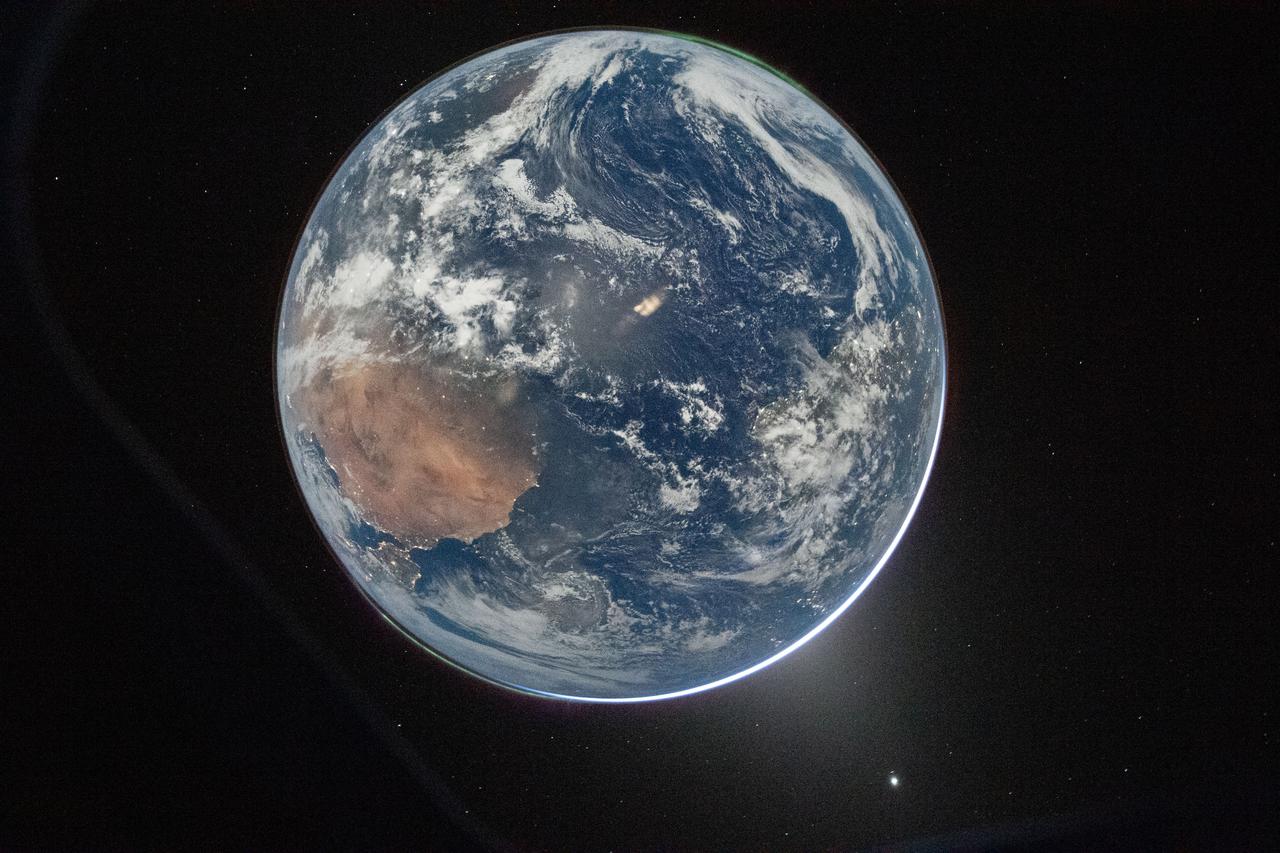
Title: The Growing Threat of Space Junk: Challenges for Future Space Missions
Introduction
As humanity ventures deeper into the cosmos, the burgeoning issue of space debris, commonly referred to as space junk, is emerging as a significant challenge for future missions. With a staggering 33,269 objects currently in orbit around Earth, nearly 47% of these are classified as space debris. This alarming statistic raises pressing concerns about the safety and sustainability of space exploration. As we stand on the brink of a new era in space travel, understanding the implications of this debris is crucial for the future of our explorations and technological advancements.
What is Space Junk?
Space junk encompasses a wide variety of debris, including defunct satellites, spent rocket stages, and fragments from collisions or disintegration of spacecraft. This debris varies in size from tiny paint flecks to large, non-functional satellites. The growing prevalence of space junk poses a unique challenge, not only to current space operations but also to future missions that aim to explore the Moon, Mars, and beyond.
The Current State of Space Debris
The European Space Agency (ESA) has been at the forefront of tracking space debris, and their data reveals that nearly 47% of the objects in low Earth orbit (LEO) are non-functional. This statistic is alarming, considering the exponential increase in satellite launches over the past decade. With the rise of mega-constellations like SpaceX's Starlink, the number of operational satellites will only increase, further complicating the situation.
The increasing density of objects in orbit raises the risk of collisions. A collision between two pieces of space debris can create thousands of additional fragments, contributing to a cascading effect known as the Kessler Syndrome. This phenomenon could potentially render certain orbits unusable, severely impacting satellite operations and future space missions.
The Implications for Future Missions
As space agencies and private companies plan ambitious missions, including crewed missions to Mars and lunar exploration, the risks posed by space debris cannot be overlooked. The potential for collision with space junk is a significant concern for spacecraft, satellites, and even the International Space Station (ISS), which has had to perform avoidance maneuvers on several occasions to dodge incoming debris.
The threat of space debris extends beyond immediate safety concerns. It also impacts the economic viability of future missions. Launching and maintaining satellites is already a costly endeavor, and the risk of collision can lead to increased insurance costs and potential losses for companies investing in space technologies.
Mitigation Strategies: Addressing the Space Junk Challenge
Given the escalating threat posed by space debris, several strategies are being proposed and implemented to mitigate this problem. Here are some of the most promising approaches:
1. **Active Debris Removal (ADR)**: The concept of actively removing space debris is gaining traction. Various initiatives are underway, including using robotic arms, nets, or harpoons to capture and deorbit defunct satellites. Companies like Astroscale are leading the charge in developing ADR technologies.
2. **End-of-Life Protocols**: Implementing strict end-of-life protocols for satellites can significantly reduce the amount of debris generated. By ensuring that defunct satellites are deorbited responsibly, space agencies can help maintain cleaner orbits.
3. **Tracking and Monitoring**: Enhanced tracking systems are essential for monitoring space debris. Improved sensors and tracking technology can help predict potential collisions and enable timely avoidance maneuvers.
4. **International Collaboration**: Space debris is a global issue that requires international cooperation. Organizations like the United Nations Office for Outer Space Affairs (UNOOSA) are working to establish guidelines and frameworks for responsible space activities.
5. **Public Awareness and Education**: Raising public awareness about the space debris issue is crucial. Educating the next generation of scientists and engineers about sustainable practices in space can foster a culture of responsibility.
The Role of Policy and Regulation
As the number of space missions increases, the need for comprehensive policies and regulations becomes paramount. Governments and international bodies must work together to establish frameworks that ensure the sustainable use of space. This includes setting guidelines for satellite design, launch practices, and end-of-life disposal methods.
Recent discussions at international forums have focused on creating binding agreements to limit the creation of space debris. By establishing norms and standards, the global community can work towards a more sustainable future in space.
Innovative Solutions and Technologies
In addition to traditional methods of debris mitigation, innovative technologies are emerging to tackle the space junk challenge. For instance, some organizations are exploring the use of lasers to nudge debris into lower orbits, where it will eventually burn up upon re-entry into the Earth's atmosphere. Others are investigating the potential of using small satellites to capture and deorbit larger pieces of debris.
These advancements demonstrate that, while the space junk problem is daunting, there are creative solutions on the horizon. The key lies in investing in research and development to bring these concepts to fruition.
Conclusion
The space junk problem is a pressing challenge that threatens the future of space exploration and satellite operations. With nearly 47% of tracked objects in orbit classified as space debris, the risks associated with collisions are significant. However, by implementing effective mitigation strategies, fostering international cooperation, and embracing innovative technologies, we can address this issue and ensure the sustainable use of space for generations to come.
As we look towards ambitious missions to the Moon, Mars, and beyond, it is imperative that we prioritize the health of our orbital environment. By taking proactive measures today, we can pave the way for a future where space remains accessible and safe for exploration, scientific discovery, and technological advancement. The time to act is now, as our aspirations in space depend on our ability to manage the growing challenge of space junk effectively.