
Two Indians aboard cruise ship hit by deadly Hantavirus outbreak
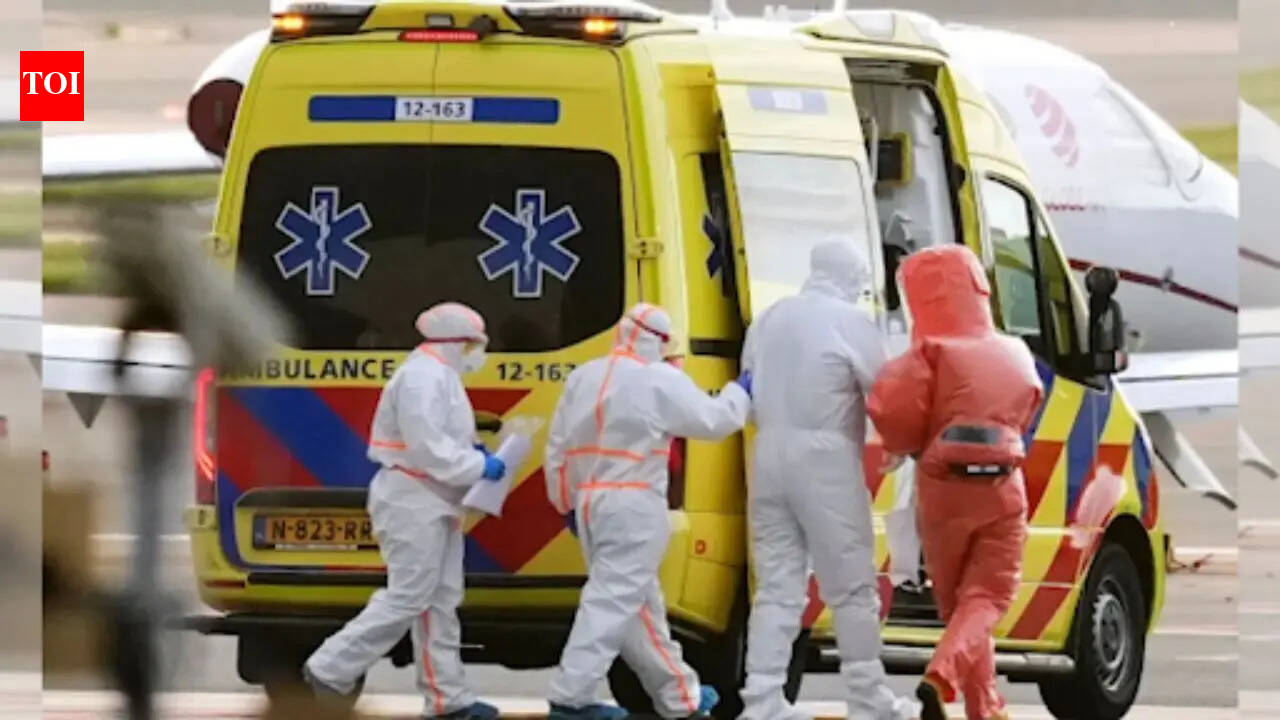
# Two Indians Aboard Luxury Expedition Cruise Ship Affected by Hantavirus Outbreak
## Introduction
In a troubling turn of events, two Indian nationals were among the 149 passengers and crew stranded aboard a luxury cruise ship in the Atlantic Ocean following a deadly outbreak of hantavirus. The incident, which has raised significant health concerns and garnered international attention, has left the stranded individuals in a precarious situation as authorities scramble to respond. This article delves into the details of the outbreak, its implications, and what the future holds for those affected.
## Understanding Hantavirus: A Silent Threat
Hantavirus is a potentially deadly viral infection primarily transmitted to humans through contact with rodent droppings, urine, or saliva. The symptoms can range from mild flu-like signs to severe respiratory distress. In severe cases, the infection can lead to hantavirus pulmonary syndrome (HPS), a condition that may require intensive medical intervention. While the virus is not transmissible from person to person, the recent outbreak aboard the cruise ship has raised alarms about the safety protocols in place for travelers.
According to health experts, the risk of hantavirus outbreaks is often heightened in environments where rodent populations are not adequately controlled. As cruise ships are often in close quarters, the possibility of outbreaks can become a reality if preventive measures are not strictly enforced.
## The Outbreak: Timeline of Events
The cruise ship, which had set sail from a popular port in the Caribbean, became a floating isolation zone when the first cases of hantavirus were reported. The outbreak began when three passengers exhibited symptoms consistent with the virus, prompting immediate medical evaluations. Health officials on board quickly initiated protocols for dealing with infectious diseases, isolating the affected individuals and monitoring the rest of the passengers for symptoms.
As the situation escalated, the ship was forced to halt its itinerary and remain anchored in the Atlantic as health authorities worked to contain the outbreak. This decision was made in collaboration with the cruise line’s medical team and local health authorities to ensure the safety of everyone on board.
## Response from Health Authorities
In response to the hantavirus outbreak, health authorities have been working diligently to assess the situation and ensure the safety of the remaining passengers and crew. The ship, which was reportedly equipped with medical facilities, has been providing regular updates to passengers while maintaining a level of transparency about the ongoing situation.
Dr. Anjali Kumar, a leading infectious disease specialist, commented on the outbreak, stating, “The rapid response from medical personnel on board is crucial in managing any potential spread of the virus. It’s essential to implement quarantine measures and conduct thorough health assessments for all individuals on the ship.”
The Centers for Disease Control and Prevention (CDC) has also been monitoring the situation closely, providing guidelines and recommendations to ensure proper health protocols are followed. These efforts are aimed at preventing further transmission and protecting the health of the passengers and crew.
## The Indian Nationals: Their Story
The two Indians aboard the cruise ship, identified as part of the affected group, have expressed their concern over the situation. Family members back home are anxiously awaiting news, hoping for a swift resolution to the crisis. Reports indicate that the Indian government is actively coordinating with relevant authorities to provide assistance and support for the stranded nationals.
“We are in touch with our embassy and are hopeful that they will facilitate our safe return,” said one of the Indian passengers, who wished to remain anonymous. “It’s a worrying time, but we are following all instructions from the ship’s medical team.”
## The Cruise Industry’s Response
The cruise industry as a whole is facing increased scrutiny in light of this outbreak. Incidents of infectious disease outbreaks on cruise ships are not new, but each occurrence raises questions about health regulations and safety measures. Experts emphasize the importance of regular inspections, staff training, and emergency preparedness to mitigate risks.
In a statement, a representative from the cruise line involved acknowledged the seriousness of the situation: “The health and safety of our passengers and crew are our top priorities. We are working closely with health authorities to ensure that all necessary precautions are taken and that we provide the best care possible.”
## What Lies Ahead for the Stranded Passengers
As the days go by, the fate of the stranded passengers remains uncertain. Health officials continue to monitor the situation closely, conducting regular health assessments and providing updates to passengers about the next steps. The cruise line is in discussions with port authorities to arrange for medical evacuations if necessary, particularly for those showing symptoms of the virus.
Travelers and health experts alike are watching this situation with bated breath, aware that the outcome could set a precedent for how the cruise industry handles infectious disease outbreaks in the future.
## Conclusion
The hantavirus outbreak aboard the luxury cruise ship has raised significant concerns for the health and safety of passengers, including two Indian nationals caught in the midst of this crisis. As health authorities work diligently to contain the situation and ensure the well-being of everyone on board, the incident serves as a reminder of the importance of stringent health measures in the travel industry.
The future remains uncertain for the stranded passengers, but with ongoing cooperation from health authorities, cruise lines, and governments, there is hope for a resolution. As the world watches, the situation is a stark reminder of the challenges posed by infectious diseases and the need for vigilance in protecting public health.