
Two wars, one arsenal: Ukraine or Israel - who gets America's missiles when supplies run short?
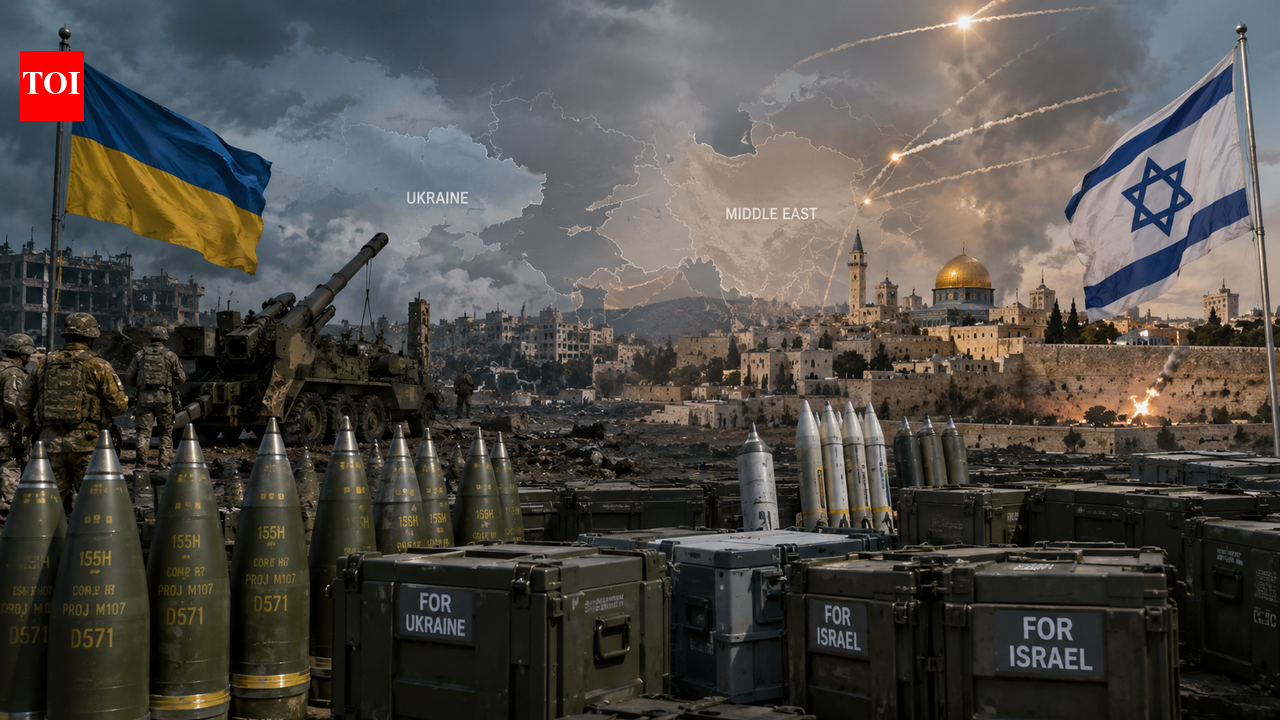
# Two Wars, One Arsenal: The Battle for America's Missiles Between Ukraine and Israel
Introduction
In an era marked by geopolitical tension and military conflict, the question of arms distribution has never been more critical. As the world watches the ongoing war in Ukraine and the escalating tensions in Israel, a pressing dilemma emerges: Who will receive America's military support when supplies run low? This dilemma has significant implications, not just for the nations involved but for the broader international community. As the United States navigates this complex landscape, the stakes are high, and the consequences could reverberate across the globe.
A Historical Perspective: The Cold War and Beyond
The onset of the conflict in Ukraine in February 2022, marked by the aggressive incursion of Russian forces, prompted a swift and unprecedented response from the West, reminiscent of the military urgency seen during the Cold War. The United States quickly mobilized its allies to impose economic sanctions on Russia and initiated a robust military support program for Ukraine. Advanced weaponry, intelligence sharing, and logistical assistance became the hallmarks of Western support.
At the same time, Israel has faced its own security challenges, notably the ongoing conflict with Hamas and other regional adversaries. The U.S. has historically positioned itself as a critical ally of Israel, providing substantial military aid and arms. As both nations vie for American support, the question arises: how will the U.S. manage its military resources amid two simultaneous crises?
The Current Landscape: Military Aid to Ukraine
Since the war began, the U.S. has committed billions of dollars in military aid to Ukraine, delivering sophisticated systems such as Javelin anti-tank missiles, HIMARS rocket systems, and advanced air defense systems. This support has been crucial in enabling Ukrainian forces to counter the Russian military's advances and has been met with widespread bipartisan support in Congress, emphasizing the importance of defending democratic values against authoritarian aggression.
However, as the conflict drags on, concerns about the sustainability of this support have begun to surface. The U.S. military stockpiles, once seen as robust, are now under increasing strain. The Pentagon has indicated that continued support for Ukraine could lead to shortages in key weapon systems, raising alarms about the potential impact on other global commitments, particularly regarding Israel.
Israel’s Defense Needs: A Complicated Situation
Israel’s security landscape is fraught with challenges, including threats from Hamas, Hezbollah, and the specter of Iranian aggression. The U.S. has long been Israel's primary arms supplier, providing cutting-edge technology and weaponry designed to maintain Israel's qualitative military edge in the region.
In recent months, the situation in Israel has escalated, with increased rocket fire from Gaza and heightened tensions on multiple fronts. The Israeli Defense Forces (IDF) are continually adapting to these threats, necessitating a steady supply of advanced munitions and defense systems. As the U.S. grapples with how to allocate its military resources, the urgency of Israel's needs cannot be underestimated.
A Balancing Act: U.S. Military Resource Allocation
The dilemma of resource allocation between Ukraine and Israel places the U.S. in a precarious position. On one hand, providing continued support to Ukraine is essential for countering Russian aggression and upholding global democratic norms. On the other hand, Israel's security is a cornerstone of U.S. foreign policy in the Middle East, and any perceived neglect could destabilize an already volatile region.
As U.S. military stockpiles dwindle, the Biden administration faces pressure to ensure that both allies receive adequate support. This balancing act is complicated by the potential for political repercussions at home. Congressional support for Ukraine has begun to wane, while bipartisan backing for Israel remains strong. The administration must navigate these dynamics carefully to maintain both military commitments without jeopardizing the safety of either nation.
The Role of American Missiles: Strategic Importance
American missiles play a crucial role in the defense strategies of both Ukraine and Israel. For Ukraine, systems like the HIMARS have proven instrumental in striking key Russian positions, altering the battlefield dynamics in favor of Ukrainian forces. Meanwhile, Israel's Iron Dome missile defense system, supported by U.S. technology and funding, has been vital in intercepting incoming threats and protecting civilian lives.
As the U.S. evaluates its missile supply, the strategic importance of these systems becomes even more pronounced. The potential for shortages raises critical questions about operational readiness and the ability of both countries to respond effectively to threats. The implications of a reduced arsenal could be dire, leading to vulnerabilities that could embolden adversaries.
Public Opinion and Political Pressures
Public opinion plays a significant role in shaping U.S. foreign policy, particularly regarding military aid. As the American public grapples with the realities of war, the narratives surrounding support for Ukraine and Israel have evolved. While initial support for aiding Ukraine was robust, concerns about the prolonged nature of the conflict and its impact on domestic issues have begun to surface.
At the same time, Israel's longstanding relationship with the U.S. continues to garner strong support, particularly from influential lobbying groups and political donors. The divergent public sentiments towards each conflict complicate the administration's ability to allocate resources effectively, as pressure mounts from various interest groups advocating for their preferred foreign policy outcomes.
The Way Forward: Navigating the Challenges
As the situation unfolds, the U.S. must adopt a strategic approach to navigate the complexities of military aid distribution. This involves not only assessing the immediate needs of Ukraine and Israel but also considering the long-term implications of its support.
One potential solution could involve a tiered approach to military aid, prioritizing immediate needs while developing a sustainable framework for ongoing support. Enhanced collaboration with NATO allies and regional partners could also help alleviate some of the burden on U.S. military resources, allowing for a more coordinated response to global threats.
Furthermore, investing in domestic defense production capabilities may prove essential in replenishing stockpiles and ensuring that both Ukraine and Israel receive the support they require. By fostering resilience within the U.S. defense industrial base, the country can better position itself to respond to future crises.
Conclusion
As the world watches the unfolding conflicts in Ukraine and Israel, the challenge of military resource allocation remains a pressing issue for the United States. Balancing the needs of both allies requires careful consideration of strategic priorities, public opinion, and long-term implications. The stakes are high, and the choices made today will shape the geopolitical landscape for years to come.
Ultimately, the U.S. must strive to ensure that both Ukraine and Israel receive the support needed to defend their sovereignty and security. In doing so, it reinforces its commitment to democratic values and stability in an increasingly uncertain world.