
UAE spooked? Fearing Gulf chaos, Abu Dhabi joins Saudis, Qatar in urging Trump against fresh Iran war
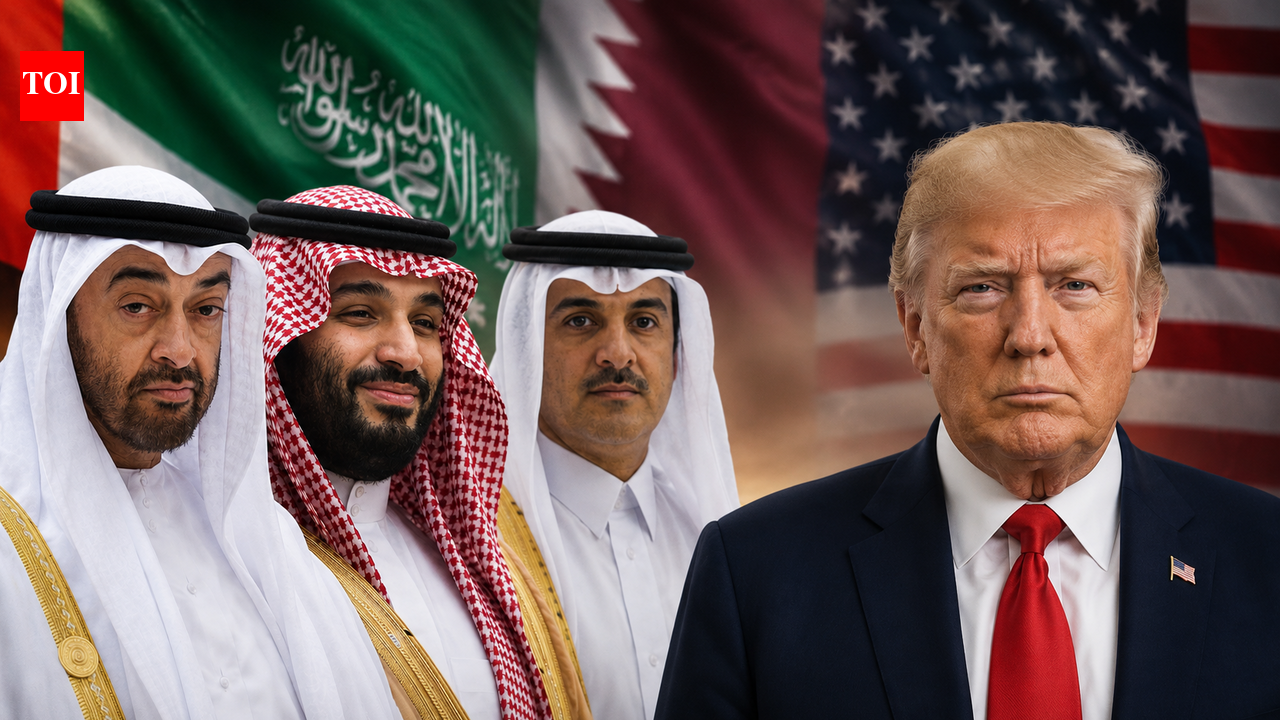
# UAE Joins Forces with Saudi Arabia and Qatar to Urge Against Military Action in Iran
## Introduction
In a significant diplomatic move, the United Arab Emirates (UAE) has aligned itself with Saudi Arabia and Qatar in a collective call to the United States to reconsider any plans for renewed military action against Iran. This urgent plea comes amid rising tensions in the Gulf region, prompting fears of potential chaos that could destabilize not only the UAE but the entire Middle East. As these nations navigate the complex geopolitical landscape, their united front reflects a broader desire for stability and peace in a region long fraught with conflict.
## Background on Gulf Tensions
The Gulf region has historically been a hotspot for geopolitical strife, particularly concerning Iran's nuclear ambitions and its influence over various militias and political groups throughout the Middle East. With the U.S. withdrawal from the Iran nuclear deal in 2018 and the subsequent reimposition of sanctions, tensions have escalated. Iran's aggressive posturing, including missile tests and support for proxy groups in Iraq, Syria, and Yemen, has raised alarms among its neighbors, particularly the Gulf monarchies, which fear the repercussions of an unchecked Iranian regime.
As the UAE, Saudi Arabia, and Qatar share borders and economic interests, the prospect of military conflict is not only a matter of international relations but also one that directly impacts their national security and economic stability. The recent developments have reignited conversations about the importance of diplomatic engagement over military intervention.
## The UAE's Strategic Position
The UAE has positioned itself as a key player in the Gulf Cooperation Council (GCC) and has maintained a pragmatic approach to its foreign policy. Historically, the UAE has balanced its relations with both the West and Iran, seeking to avoid direct confrontation while promoting regional stability. By joining Saudi Arabia and Qatar in their appeal to President Trump, the UAE signals a concerted effort to prevent further escalation that could lead to military conflict.
In recent months, the UAE has taken steps to enhance its defense capabilities and strengthen alliances with Western powers, particularly the United States. However, the leadership in Abu Dhabi recognizes that a war with Iran could have devastating consequences for the UAE, including economic fallout and security threats. The UAE's rich oil reserves and strategic ports make it a vital economic hub; thus, the prospect of war poses a significant risk to its interests.
## The Call for Diplomacy
The joint statement by the UAE, Saudi Arabia, and Qatar emphasizes the need for a diplomatic solution to the ongoing tensions with Iran. These nations advocate for dialogue and engagement, believing that a military confrontation would only exacerbate the existing problems. They urge the U.S. to prioritize negotiations that would lead to a comprehensive agreement addressing Iran's nuclear program, missile development, and regional activities.
This call for diplomacy aligns with a broader trend in international relations, where the emphasis is increasingly placed on conflict resolution through dialogue rather than military might. The leaders of these Gulf nations understand that engaging with Iran is essential for long-term stability in the region, particularly as they face shared challenges such as economic diversification, climate change, and security threats.
## The Role of the United States
The United States has historically played a significant role in Middle Eastern geopolitics, often acting as a stabilizing force in the region. However, the current administration's approach has been marked by a mix of assertiveness and unpredictability. While President Trump has signaled a desire to draw down U.S. military involvement in foreign conflicts, his administration's stance on Iran remains combative, particularly following attacks on U.S. interests attributed to Iranian-backed groups.
The UAE, Saudi Arabia, and Qatar's appeal to the U.S. is not only a reflection of their concerns about military action but also a bid to influence American policy. By presenting a united front, these countries aim to remind Washington of the importance of regional partnerships and the potential consequences of unilateral military decisions. Their collective voice underscores the reality that Middle Eastern nations are not merely passive recipients of foreign policy but active participants in shaping their destinies.
## Implications for Regional Stability
The potential for military conflict in the Gulf has far-reaching implications, not only for the UAE, Saudi Arabia, and Qatar but also for the broader Middle East and beyond. A war with Iran could trigger a regional arms race, destabilizing neighboring countries and leading to a humanitarian crisis. Moreover, such a conflict would likely draw in global powers, complicating an already intricate geopolitical landscape.
The UAE's involvement in this diplomatic initiative reflects a growing recognition that stability in the Gulf is intrinsically linked to the overall peace and prosperity of the region. With many countries still grappling with the aftermath of the Arab Spring and ongoing civil conflicts, the last thing the Middle East needs is another war. The leaders of the UAE, Saudi Arabia, and Qatar understand that the path to peace lies in collaboration, dialogue, and a commitment to addressing the root causes of conflict.
## Conclusion
As the UAE, Saudi Arabia, and Qatar unite in their call for the United States to avoid military action against Iran, the message is clear: diplomacy must take precedence over warfare. The Gulf nations are advocating for a strategic approach that prioritizes long-term stability and fosters an environment conducive to dialogue. With the complexities of the Middle East landscape in mind, the hope is that this collective stance will resonate with U.S. policymakers and encourage a shift toward peaceful negotiations.
In an era where the stakes are high and the consequences of conflict can be dire, the importance of finding common ground cannot be overstated. The UAE's proactive efforts, alongside its Gulf neighbors, represent a crucial step towards ensuring security and stability in a region that has seen too much turmoil. As the world watches, the outcome of this diplomatic endeavor could shape the future of the Middle East for years to come.