
US, Israel engaged in ‘most extensive operational planning’, strikes on Iran may resume this week: Report
# US and Israel Intensify Operational Planning: Potential Strikes on Iran Loom
In a significant escalation of military preparedness, the United States and Israel are reportedly engaged in what officials describe as the "most extensive operational planning" in recent years regarding potential strikes on Iran. This development comes amidst stalled diplomatic negotiations between Washington and Tehran, which have failed to make headway despite recent attempts to revive discussions surrounding Iran's nuclear program and sanctions relief. As tensions rise, the prospect of military action looms closer than ever.
## Background: The Stalemate in Diplomacy
The backdrop to this heightened military readiness is a protracted diplomatic impasse. Efforts to negotiate a new agreement on Iran's nuclear capabilities have repeatedly faltered, leaving both sides entrenched in their positions. The United States, under the Biden administration, has sought to engage Iran through renewed dialogue, aiming to address concerns over its nuclear ambitions and the associated regional security threats. However, Iran's continued uranium enrichment and its regional activities have complicated these discussions.
As of now, the diplomatic channels remain largely blocked. The absence of progress in negotiations has led to an increased sense of urgency among US and Israeli officials, who view Iran's nuclear advancements as a direct threat. The possibility of military intervention, once a last resort, is now being reconsidered as a viable option in the face of stagnant talks.
## Heightened Military Readiness
Sources indicate that the operational planning between the US and Israel has reached unprecedented levels, focusing on various strategies to counter Iran's nuclear program. This planning involves close collaboration between military leaders, intelligence agencies, and defense contractors, all of whom are working together to prepare for potential strikes.
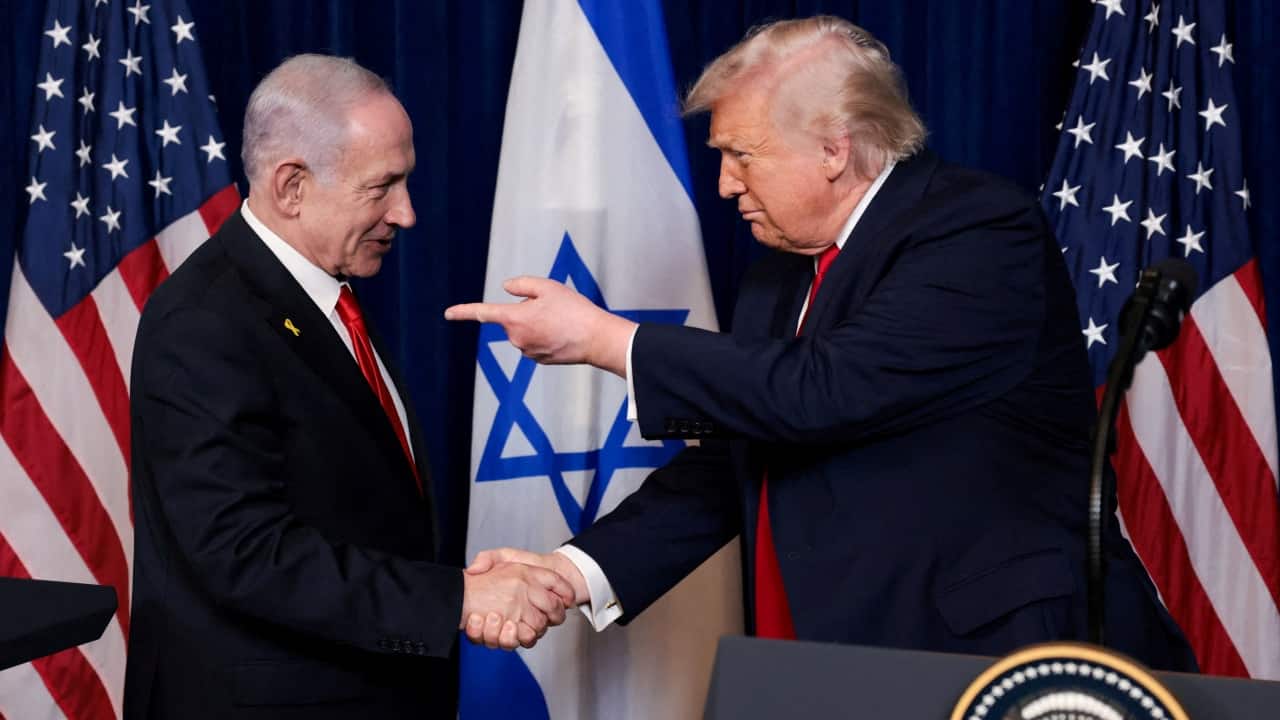
Israeli Prime Minister Benjamin Netanyahu has been vocal about the necessity of taking decisive action against Iran, emphasizing that the nation will not allow Tehran to achieve nuclear weapon capabilities. Concurrently, the US has reinforced its military presence in the region and has conducted joint exercises with Israeli forces, signaling a commitment to thwart any potential nuclear threats from Iran.
Joint Military Exercises: A Show of Force
In recent weeks, US and Israeli forces have participated in joint military exercises that simulate potential strike scenarios against Iranian nuclear facilities. These drills are designed not only to enhance operational readiness but also to send a clear message to Tehran: the international community will not tolerate the perpetuation of its nuclear program.
Military analysts note that the scale and scope of these exercises are unprecedented, indicating a serious intent to prepare for possible military action. Such preparations underscore the increasing urgency felt by both nations as Iran continues to advance its nuclear capabilities.
## Iran's Response: Escalating Tensions
In response to the heightened military activities, Iran has issued stern warnings against any potential strikes. Iranian officials have reiterated their commitment to defending their sovereignty and have threatened retaliation if attacked. The Iranian Revolutionary Guard Corps has also conducted military drills of its own, showcasing its missile capabilities and readiness to respond to any aggression.
The ongoing cycle of military posturing from both sides has created an atmosphere of heightened tension in the region. Experts fear that a miscalculation could lead to an unintended escalation of conflict, with potentially dire consequences for regional stability.
## The Role of International Diplomacy
As the specter of military action looms, the role of international diplomacy remains critical. European nations, China, and Russia have expressed concern over the deteriorating situation and have urged both the US and Iran to recommit to diplomatic efforts. The Joint Comprehensive Plan of Action (JCPOA), which aimed to limit Iran's nuclear activities in exchange for sanctions relief, remains a focal point for these discussions.
However, with both sides entrenched in their positions, the likelihood of reaching a consensus appears slim. The US has indicated that it may pursue a more aggressive stance if diplomacy fails, while Iran has made it clear that its nuclear program will continue unabated unless its conditions for sanctions relief are met.
The Importance of Multilateral Engagement
To defuse tensions, multilateral engagement may be essential. Involving a broader coalition of nations could help facilitate dialogue and create a framework for addressing the underlying issues fueling the conflict. The complexities of the situation necessitate an inclusive approach, one that considers the perspectives of all stakeholders involved.
## Potential Implications of Military Action
Should the US and Israel decide to proceed with military strikes against Iran, the implications could be far-reaching. A military confrontation could destabilize the entire Middle East, leading to a broader conflict that draws in other regional actors. Iran's alliances with militant groups in Lebanon, Iraq, and Yemen could trigger retaliatory actions that escalate violence across multiple fronts.
Additionally, the impact on global oil markets could be profound. Iran's strategic position in the Strait of Hormuz, a vital shipping route for oil, makes any military action a risk not only to regional security but also to the global economy. Analysts warn that a conflict could lead to significant disruptions in oil supply, resulting in increased prices and economic instability worldwide.
## Conclusion: A Tipping Point for US-Iran Relations
As the US and Israel engage in extensive operational planning regarding potential strikes on Iran, the stakes have never been higher. The deadlock in diplomatic negotiations presents a precarious situation, with military action emerging as a serious possibility. The ramifications of such a decision could be catastrophic, affecting not only the immediate region but the global landscape as well.
In this moment of uncertainty, the importance of dialogue and diplomacy cannot be overstated. As tensions continue to rise, the international community must work diligently to foster a climate conducive to negotiations, striving to avert a conflict that could have devastating consequences for all involved. The coming days and weeks will be critical as the world watches closely to see if diplomacy can prevail over military action, or if the situation will spiral into a confrontation that many fear is on the horizon.