
Why UAE left OPEC and what it means for global oil prices and supply
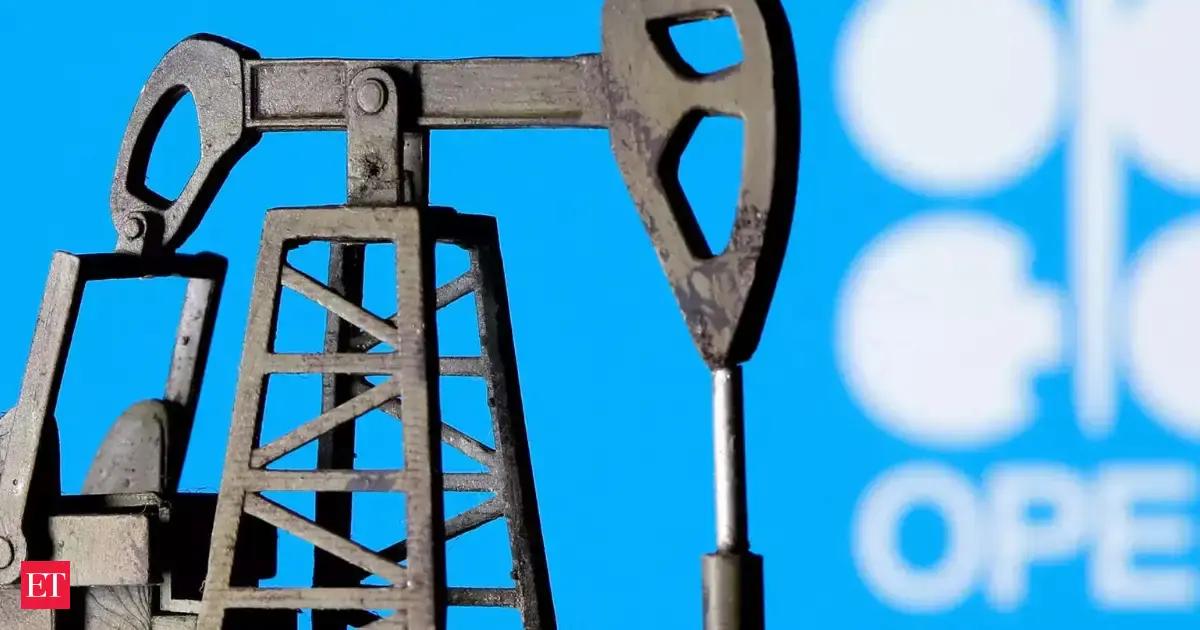
UAE's Historic Departure from OPEC: A New Era for Global Oil Markets
In a shocking move that sends shockwaves through the global energy landscape, the United Arab Emirates (UAE) has officially exited the Organization of the Petroleum Exporting Countries (OPEC) and its alliance with non-OPEC producers, OPEC+. This pivotal decision marks a significant blow to the oil cartel and its leader, Saudi Arabia, leaving analysts scrambling to predict the far-reaching implications for global oil prices and supply.
The UAE's departure from OPEC, which has been in operation since 1960, is a direct result of the country's growing frustration with the cartel's outdated policies and its perceived favoritism towards Saudi Arabia. By breaking away from the alliance, the UAE aims to assert its independence and pursue a more aggressive energy strategy, one that prioritizes its own interests and ambitions.
The consequences of this move are far-reaching and potentially seismic. With the UAE accounting for around 3.5 million barrels per day (bpd) of OPEC's total production, its exit is expected to significantly weaken the cartel's collective bargaining power and its ability to influence global oil prices. As a result, the oil market may become more volatile, with prices potentially fluctuating wildly in response to changing supply and demand dynamics.
Furthermore, the UAE's departure from OPEC signals a shift in regional alliances, with the country likely to strengthen its ties with other producers, such as the United States and Russia. This development comes amid a backdrop of global energy shocks and disruptions, including the ongoing conflict in Ukraine and the growing demand for cleaner energy sources.
As the world grapples with the implications of the UAE's historic departure from OPEC, one thing is certain: the global oil market will never be the same again. With the UAE's exit, the stage is set for a new era of energy competition, one that will be marked by increased volatility, shifting alliances, and a relentless pursuit of profit and power.