Donald Trump's Future War Strategy : Power, Pressure, and Unpredictability
People are asking more and more questions about Donald Trump and what he might do next in relation to war, as wars around the world change how countries deal with each other. Trump has always talked about war in a harsh and unpredictable way, whether it's about current geopolitical tensions or how the U.S. will act in the future. If he were to have an effect on or lead U.S. decisions again, he would probably use a mix of military power, economic pressure, and changing diplomatic ties.
A Change in Military Policy to "America First"
One of the most important things that happened during Trump's first term as president was the "America First" policy. The U.S. was better off this way than working with other countries. This meant that the military had to stop doing long-term missions and get stronger at the same time. If Trump talks about what he plans to do next in the war, he will probably keep pushing for only a few troops to be sent abroad while making sure that the U.S. stays the strongest military power in the world. He might not want to fight long wars, but he might want to use advanced technology like drones and cyber warfare to carry out quick, decisive actions.
Focus on the Economic War
Trump has always said that he would rather use money than war. While he was in office, he put a lot of pressure on his enemies by using tariffs, trade restrictions, and sanctions. Trump may use economic warfare more often as a main strategy in future wars. This could mean going after important businesses in other countries, which would make it harder for them to enter global markets. The U.S. dollar is the most valuable currency in international trade, so this could work. He wants to keep American deaths to a minimum, so he wants to put strategic pressure on the enemy without using military force.
Tough on China and Russia
Trump's foreign policy has mostly been about big countries like China and Russia. He would probably keep being tough on these countries in the war, especially when it comes to trade disputes, territorial disputes, and threats to cybersecurity. China and Taiwan could get worse, and the economy could get worse too. Trump might want to send more troops to the Indo-Pacific region while also boosting the economy. He might use a mix of deterrence and selective diplomacy with Russia to avoid direct conflict while showing U.S. strength.
Controlled Engagement is the Middle East Strategy.
Trump did some important things in the Middle East when he was president. For instance, he sent fewer soldiers there and helped make diplomatic agreements like the Abraham Accords. His plans for the next war in the area would probably be to keep things stable without a lot of fighting. Even though he is putting pressure on countries that are against him, like Iran, he may still support important allies like Israel. He might prefer to deal with threats through targeted strikes and operations based on intelligence rather than large-scale military actions. This way of doing things shows that most people like military actions that are quick and cheap.
NATO and Global Partnerships
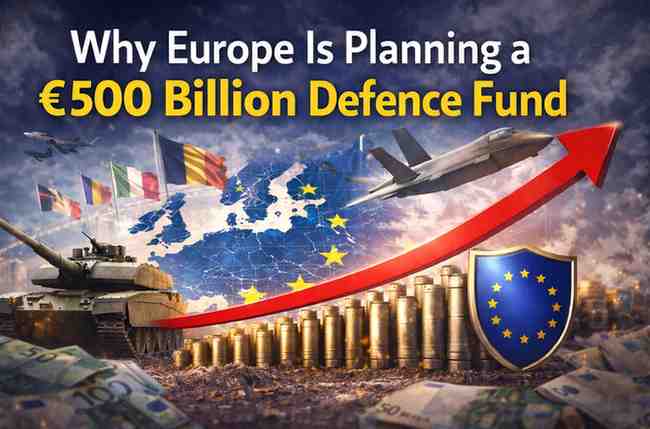
Trump has said bad things about NATO allies in the past because they weren't doing enough to help with defence. As part of his next moves in the war, he might change how alliances work and make member countries share the burden more fairly. This change could make alliances more like businesses, with U.S. support closely linked to what its partners can do. This might make allies more responsible, but it might also make them worry about what the U.S. will do in a war.
Making a plan based on the unknown
Trump's foreign policy is different from others because you never know what will happen. This trait can help or hurt your war strategy. If Trump keeps his enemies guessing, he might be able to get a better deal in talks and keep them from getting too close. But if you're not careful with unpredictability, it can also lead to mistakes or more trouble. To stay ahead in strategy, especially in high-stakes conflicts, Trump might keep making bold statements and doing things that surprise people.
What people say and what you think about at home
Trump's decisions about future wars would also be affected by what was going on in the US. The economy, public opinion, and political pressure all have a big effect on U.S. foreign policy. Many voters agree with Trump that he doesn't want to get involved in "endless wars." So, the next steps he takes in the war will probably try to find a balance between being strong and being careful. He will want to make sure that military actions are seen as necessary and good for American interests.
To put it all together
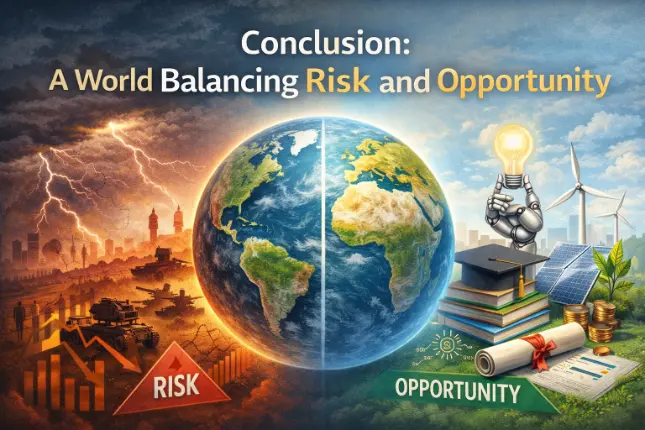
If Trump follows through with his next steps about war, they will probably be like how he usually does things: aggressive but well thought out, with a strong focus on the economy and the country's best interests. He would want to keep the U.S. in charge without starting wars that last a long time. He would do this by using a combination of military readiness, economic pressure, and surprise. This kind of approach could have a big effect on the world, changing not only U.S. foreign policy but also the way the world sees security as a whole.