
Iran’s 10-Point Ceasefire Plan Explained: Key Demands, Global Stakes, and Strategic Implications
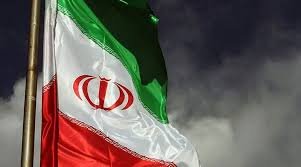
Recent fights between Iran, the US, and Israel have made things much worse in the Middle East. The situation has gotten very bad because of constant attacks and counterattacks, which have worried people all over the world. There has been talk of a two-week ceasefire to help control the situation. Iran, on the other hand, doesn't want just a short break in the fighting. Iran has instead put forward a detailed plan with ten conditions that must be met before it will agree to a permanent ceasefire. These conditions are meant to fix long-standing problems in politics, the military, and the economy.
Need for Lasting Peace
One of the most important things Iran wants in its proposal is for the conflict to end for good. Iran has made it clear that short-term ceasefires are not enough because they only put off the problem instead of fixing it. Iran says that a long-term deal that stops future conflicts is the only way to get real peace. This shows that Iran wants long-term solutions instead of quick fixes.
Taking away economic sanctions
One of Iran's main demands is that the United States and its allies lift the economic sanctions they have put in place. These sanctions have hurt Iran's economy for a long time by making it harder to do business and make money. Iran wants not only the current sanctions to be lifted, but also assurances that they won't happen again in the future. Iran really needs this condition because it wants to improve the lives of its people and rebuild its economy.
Stop All Military Actions
Iran has also asked that all military attacks against it stop right away. This includes attacks by the US, Israel, or any other allied forces. Iran wants a clear promise that attacks like this won't happen again, in addition to stopping them. This request shows that Iran is more concerned with long-term safety and security.
Control over important routes
Another important condition has to do with the Strait of Hormuz, which is one of the busiest shipping lanes in the world. This narrow waterway is where a lot of the world's oil comes from. Iran wants to keep this route under its control and direct the movement of ships. It has also suggested charging ships that use the strait fees, which could help make up for the losses caused by the war. But other countries might not agree with this request because it is important to the whole world.
Freeing up frozen assets
Iran has asked that its money, which is currently frozen in banks outside the country, be freed. Because of international sanctions, these funds were limited. Iran could improve its economy and invest in development if it could get to these assets. Iran sees this as another important demand that it needs to make in order to get better.
Recognition of Nuclear Rights
Iran has also stressed its right to make nuclear technology for peaceful purposes. It wants the world to recognise this right and be free from any limits on its nuclear program. Iran says that its nuclear work is for energy and research, not for making weapons. So, it is asking other countries to respect its right to make this decision.
Taking Away Foreign Troops
Iran's plan also calls for the removal of foreign military forces from some areas of the Middle East. Iran thinks that having outside forces there makes things more tense and unstable. Iran wants to end conflicts and bring peace to the region by asking them to leave.
Paying for Damages
Iran has also asked for money to make up for the losses and damage that occurred during the war. This includes harm to the economy, infrastructure, and everyday life. Iran thinks that those who are responsible for the attacks should be held accountable and help pay for rebuilding the areas that were damaged.
Making the region more stable
The plan also has steps to make the Middle East more stable as a whole. Iran wants countries in the area to work together to avoid future wars. This means better communication, respect for each other, and deals that keep the peace for a longer time.
A Hard Road Ahead
Iran's 10-point plan makes its demands clear, but it won't be easy to reach an agreement. Other countries may not be able to agree to many of these conditions, like lifting sanctions and controlling key routes. But the proposal shows that Iran is open to talks if its main issues are taken care of. How other countries react and whether they are willing to give up something will determine how well this plan works.
Conclusion
Iran's conditions for a ceasefire show that it wants long-term peace, economic recovery, and stability in the region. It is not agreeing to a temporary ceasefire; instead, it is working to address the underlying issues that are causing the conflict. The demands are clear and strong, but they also show how hard it is to make peace in a complicated area like the Middle East. In the next few days, we'll find out if these conditions can lead to a long-term solution or if tensions will stay high.